Availability and types of beetroot
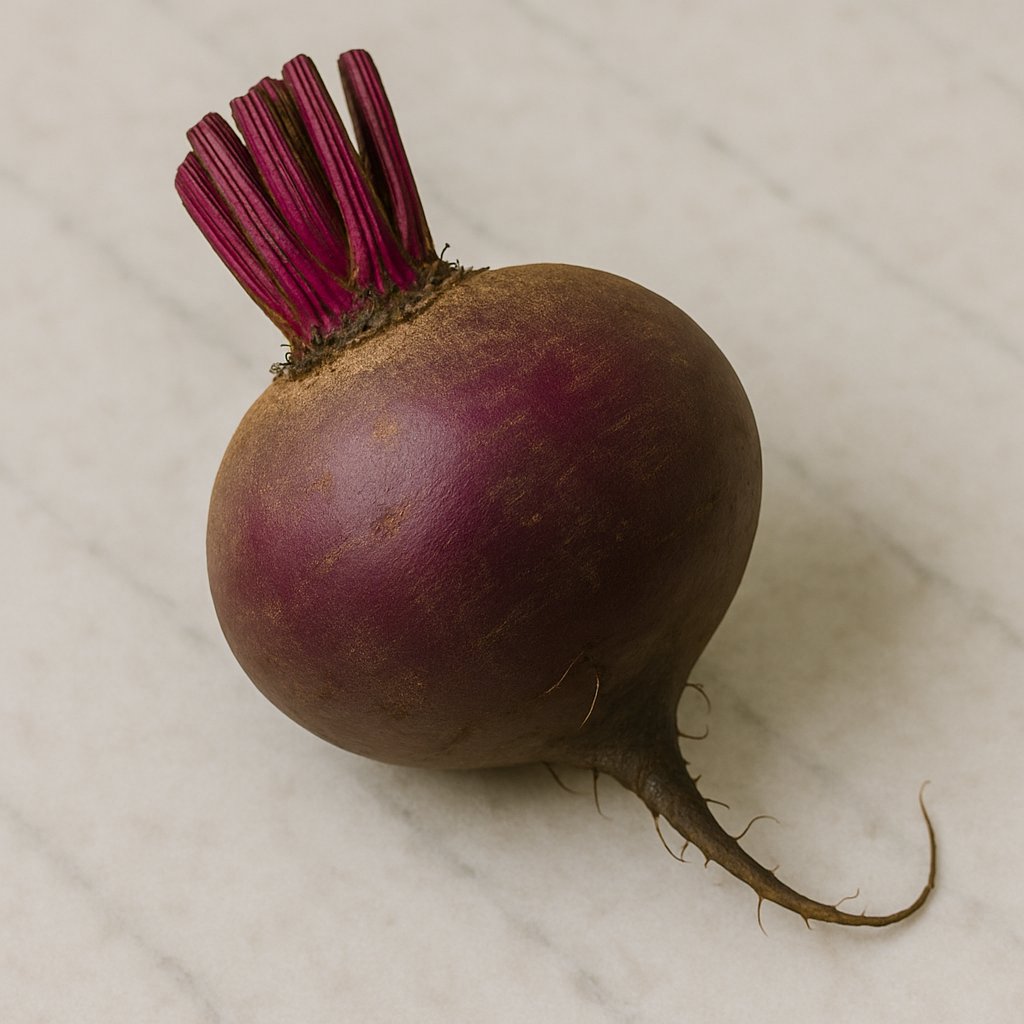
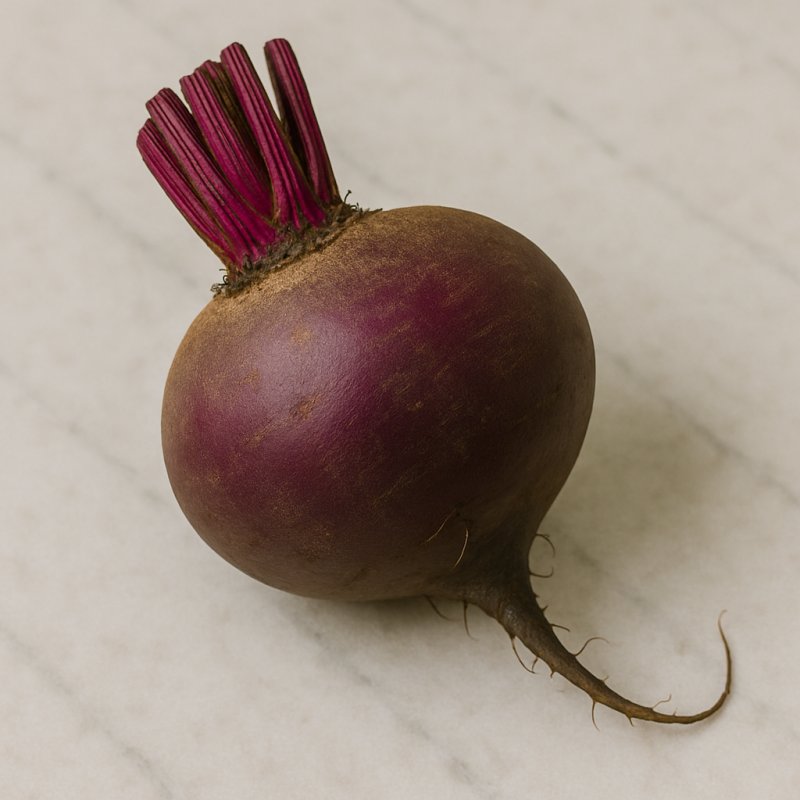
Beetroot, also called red beet or garden beet, is a root vegetable with a bright red colour. It belongs to the same plant family as chard and sugar beet. Its homeland is on the coasts of the Mediterranean and Western Asia. From there it spread to many countries because it is hardy, needs little care and stores well. Today beetroot is grown across Europe, in parts of North America and also in cooler regions of Asia. It prefers a temperate climate but also grows reliably in cooler summers.
Availability throughout the year
Beetroot has different harvest times depending on the region, but is available almost all year round:
Beetroot has different harvest times depending on the region, but is available almost all year round:
- Spring: first young bulbs and especially tender leaves (similar to spinach) can be harvested. The bulbs are small, mild and cook quickly.
- Summer: from late summer larger, mature bulbs appear on the market. Fresh produce with leaves can be recognised by crisp stems and smooth, firm bulbs.
- Autumn: main season. Most bulbs are harvested now. They are flavoursome, juicy and store well.
- Winter: thanks to storage in cool, dark rooms beetroot remains available over winter. Pre-cooked, vacuum-packed beetroot is also available year-round.
Origin and cultivation
The plant originally derives from the wild beet that grew on seashores. People bred it over many centuries until the round, coloured bulbs we know today emerged. Beetroot is mostly grown outdoors. It needs loose soil so the bulbs become round and even. In organic and hobby gardens attention is often paid to diversity, so you more frequently find different colours and shapes there. Larger farms grow standardized varieties that deliver uniform sizes, which is practical for trade.
The plant originally derives from the wild beet that grew on seashores. People bred it over many centuries until the round, coloured bulbs we know today emerged. Beetroot is mostly grown outdoors. It needs loose soil so the bulbs become round and even. In organic and hobby gardens attention is often paid to diversity, so you more frequently find different colours and shapes there. Larger farms grow standardized varieties that deliver uniform sizes, which is practical for trade.
Types, cultivars and variants