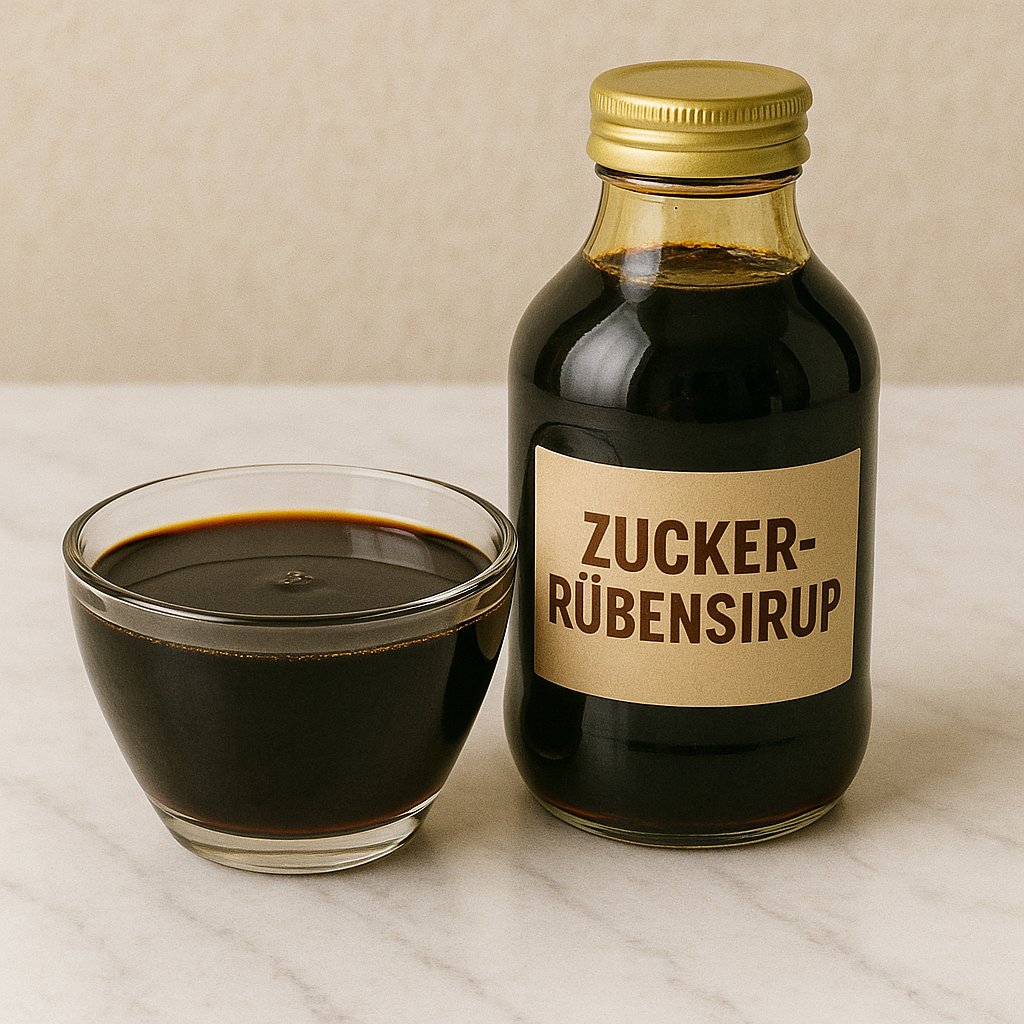
Beet syrup comes from the sugar beet, a large, thick root that grows in fields. Farmers harvest the beets, cut them into small pieces and boil them to extract the sweet juice. From this juice, a thick syrup is made by evaporation. You can think of it like apple juice cooked down until it becomes thick and very sweet.
Origin and growing regions
Sugar beets grow best in cooler, temperate areas. In Europe many fields are found in countries such as Germany, France, Poland and the United Kingdom. Sugar beets are also grown in North America. Because the plant does not need much heat, these regions are particularly suitable. Many farmers work in communal operations or cooperatives that collect the beets and bring them to the sugar factory where the syrup is produced.
Sugar beets grow best in cooler, temperate areas. In Europe many fields are found in countries such as Germany, France, Poland and the United Kingdom. Sugar beets are also grown in North America. Because the plant does not need much heat, these regions are particularly suitable. Many farmers work in communal operations or cooperatives that collect the beets and bring them to the sugar factory where the syrup is produced.
How easy is beet syrup to find?
Beet syrup is usually widely available. You can find it in supermarkets, health food stores, at weekly markets and often online. In regions with many sugar factories or beet fields the supply is particularly large. Because the syrup has a long shelf life, it is available year-round — unlike fresh fruit, which only has one season.
Beet syrup is usually widely available. You can find it in supermarkets, health food stores, at weekly markets and often online. In regions with many sugar factories or beet fields the supply is particularly large. Because the syrup has a long shelf life, it is available year-round — unlike fresh fruit, which only has one season.
Different types and variants
There is not just one kind of beet syrup. Here are the main variants, simply explained:
There is not just one kind of beet syrup. Here are the main variants, simply explained:
- Beet spread: This is very thick and spreadable, almost like peanut butter, and is often spread on bread. It has a robust, malty flavor.
- Liquid beet syrup: This is thinner and pours well over pancakes or into muesli. It is easier to dose than the thick beet spread.
- Beet molasses (or by-product): In the sugar production process a darker, very concentrated liquid can sometimes be produced – molasses. It has an intense flavor and is often used in animal feed or for further processing. For household use there are also dark syrups that taste similar.
- Organic variants: Syrups made from organically grown sugar beets carry the organic label. These products come from fields without chemical pesticides.
- Flavor specialties: Some producers add cinnamon, vanilla or other flavors, so there are syrups with slightly altered tastes for special recipes.
What are the variants used for?
The thick beet spread is well suited as a bread spread or in baked goods because it doesn't run away during baking. The liquid syrup is often used as a sweetener for drinks, pancakes or for cooking. Molasses is more intended for special recipes or industry. Organic and flavored variants are for people who prefer particular production methods or want to try new flavors.
The thick beet spread is well suited as a bread spread or in baked goods because it doesn't run away during baking. The liquid syrup is often used as a sweetener for drinks, pancakes or for cooking. Molasses is more intended for special recipes or industry. Organic and flavored variants are for people who prefer particular production methods or want to try new flavors.
Overall beet syrup is a versatile ingredient that can be found in many supermarkets and local stores. Depending on whether you are looking for something spreadable or pourable, you can choose between beet spread, liquid syrup or special variants — similar to honey, which also has solid and liquid types.