Availability and types
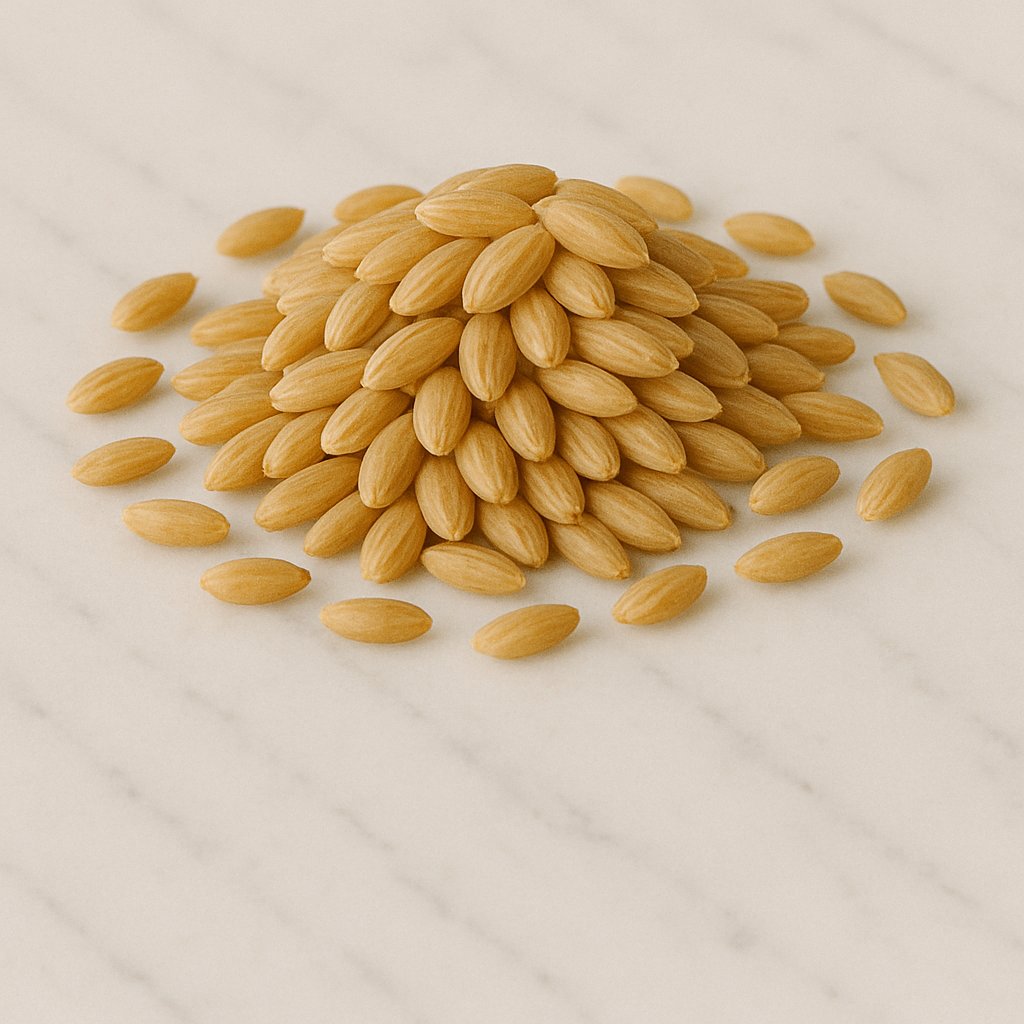
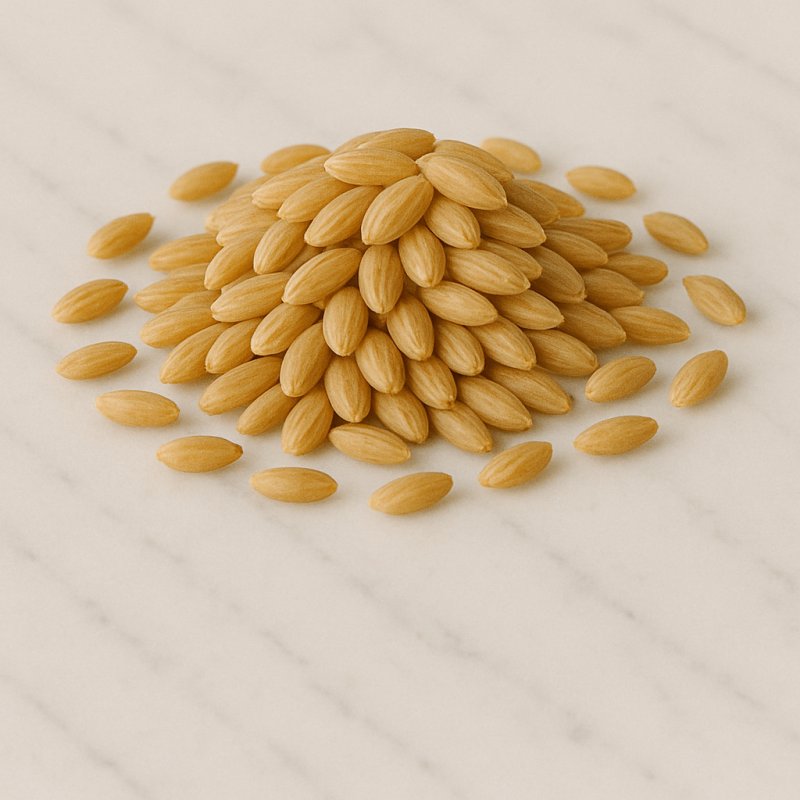
Barley is one of the oldest cereal plants cultivated by humans and is widespread around the world. You can buy it almost everywhere: in supermarkets, health food stores, natural food shops or directly at farmers' markets. Depending on where you live, you will find fresh grains, cracked or milled products, flakes and even malt-processed variants (malt is made from barley and is used in brewing and as a flavor carrier). If something is labeled "regional," it means the barley was grown nearby — this is often fresher and more environmentally friendly.
Origin and growing regions
Barley originally comes from a small area in the Near East called the "Fertile Crescent," where people began farming thousands of years ago. Today barley is grown in many countries because it adapts well to different climates. Major growing regions include:
Barley originally comes from a small area in the Near East called the "Fertile Crescent," where people began farming thousands of years ago. Today barley is grown in many countries because it adapts well to different climates. Major growing regions include:
- Europe: Countries like Germany, France and Russia grow a lot of barley. Here barley is often used for beer and as animal feed.
- North America: In the USA and Canada barley grows mainly in drier regions and is used for both brewing and feed.
- Asia: China and India are large producers; barley is grown there for various traditional dishes and as feed.
- Australia: Australia exports a lot of barley, especially to countries that need it for brewing.
Available varieties and forms
Barley is not just one thing. You can think of it like apples: there are many varieties that differ in shape, taste and use. The main differences are:
Barley is not just one thing. You can think of it like apples: there are many varieties that differ in shape, taste and use. The main differences are:
- Two-row and six-row barley: This describes how the grains sit on the ear. Two-row barley has a single row of grains and is often used for malting because it germinates well. Six-row barley has multiple rows and is frequently used as feed grain.
- Whole grain, hulled and cracked:
- Whole grain barley (also called barley grain) contains the entire hull and is especially healthy because it is high in fiber.
- Hulled barley (also called pearl barley) has the outer hull removed and cooks faster; it looks shiny like small pearls.
- Cracked barley consists of coarsely crushed grains, often used for porridges or feed mixes. - Barley flakes: These are produced similarly to rolled oats and are easy to prepare in muesli or as porridge.
- Malting/barley for brewing: This is a special variety bred for beer production. It germinates uniformly and can be easily converted to malt — important for beer flavor and color.
- Organic and conventional variants: Organic barley is grown without synthetic pesticides or chemical fertilizers. Conventional barley may use these inputs. Both variants are available, often indicated on the packaging.
Tips for choosing
When you want to buy barley, first consider what you'll use it for. For soup or stew, pearl barley is practical because it softens quickly. For a healthy muesli, whole grain barley is good because it provides many fibers. For home brewing people use special malting barley. Pay attention to the best-before date and regional information if freshness and short transport routes matter to you.
When you want to buy barley, first consider what you'll use it for. For soup or stew, pearl barley is practical because it softens quickly. For a healthy muesli, whole grain barley is good because it provides many fibers. For home brewing people use special malting barley. Pay attention to the best-before date and regional information if freshness and short transport routes matter to you.
In summary: barley is easy to find, comes from many countries and is available in several forms — from whole grains to flakes to malt. Each type has its own purpose, similar to different tools in a toolbox: the right tool makes the job easier and better.