Menu & categories

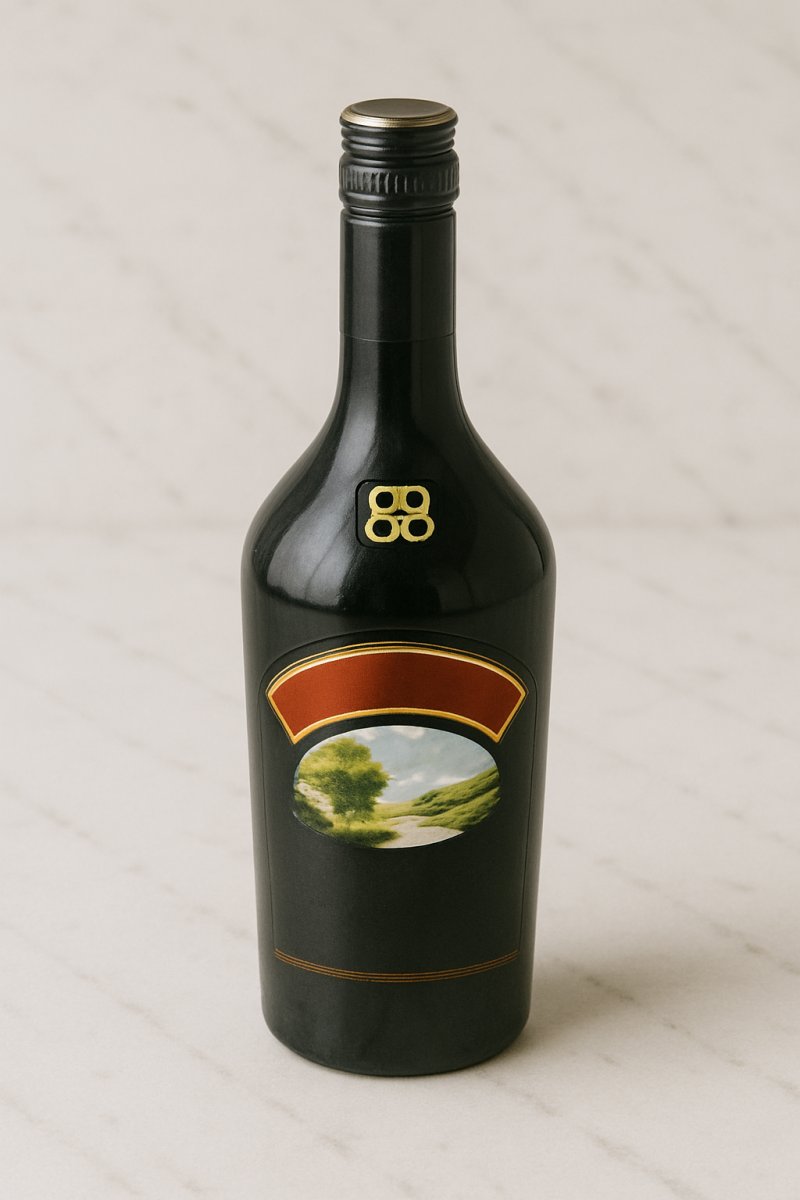
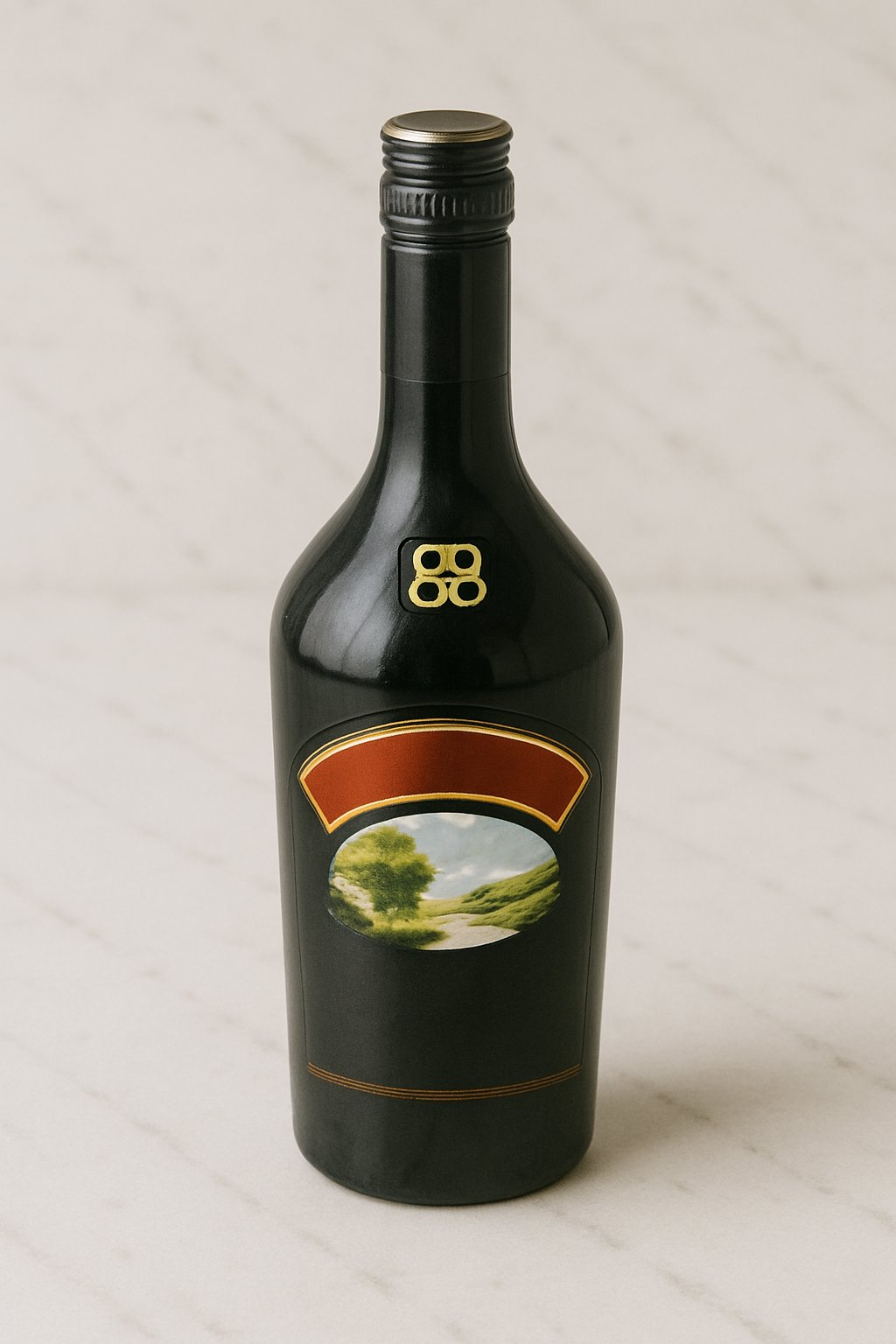
Baileys

Creamy Irish cream liqueur with whiskey

Wiki about Baileys Nutri-Score E Vegan No Gluten-free Yes Lactose-free No Nut-free Yes
NUTRITION / 100 ml
327 kcal 3.0 g Protein 25.0 g Kohlenhydrate 13.0 g Fett

Introduction

Glass of Baileys cream liqueur on ice
I still clearly remember the first sip of Baileys I tried during a cozy evening: creamy, sweet and with a warming whiskey note that immediately sparked conversation and laughter. For me Baileys is more than just a cream liqueur; it’s a small culinary getaway that turns fridge moments into little celebrations. I have often used it as a secret ingredient to elevate desserts or to turn a simple coffee into a small treat.

The combination of Irish whiskey, fresh cream and carefully balanced flavors is what makes Baileys so approachable. It can be enjoyed neat over ice, but also used cleverly in desserts, baked goods and hot drinks. A colleague of mine swears by adding a shot of Baileys to hot chocolate when winter is especially gray; I’ve gotten into the habit of doing that during rainy days too — simply because the moment instantly feels cozier.

When I use Baileys in the kitchen, I pay attention to a few simple rules:

  • Temperature: Baileys does not tolerate high heat, otherwise the cream can curdle. Stir in gently, do not boil.
  • Quantity: A small splash is enough to add flavor; large amounts quickly become very sweet.
  • Combinations: Coffee, chocolate, caramel and nuts pair particularly well.
One of my favorite, slightly exaggerated memories is the spontaneous birthday cake I once refined with Baileys: the sponge was soaked, the buttercream subtly flavored and the guests asked for the recipe, even though I admitted stammering that I had used more improvisation than planning. Such small culinary risks often pay off.

At home I like to keep a bottle of Baileys on hand as an easy comfort: an espresso with a splash in the afternoon, a dessert glass with sponge and berries in the evening, or an improvised mousse au chocolat that gains a velvety depth from the liqueur. Baileys is versatile, surprising and cozy — exactly the kind of ingredient that creates stories in the kitchen and evokes memories of warm, sociable evenings. Next time you see a bottle, consider how a small sip or a spoonful in a dessert could make your everyday life a little finer.

Availability & types

Availability and types of Baileys

Baileys is a popular cream liqueur that many people enjoy neat, over ice or in desserts. It was originally invented in Ireland and consists of a blend of Irish cream, whiskey and a little sugar, plus flavors such as chocolate or vanilla. Because it is an alcoholic beverage, Baileys is sold in many supermarkets, liquor stores and in department store beverage sections. Sometimes you can also find it in airport duty-free shops.

Origin
Baileys comes from Ireland. Imagine Ireland as a large, green garden: there are many cows there that provide fresh milk and cream. Irish whiskey distilleries are known for producing the whiskey that is mixed with the cream. This combination of fresh cream and whiskey makes Baileys particularly creamy and mild.

Production areas
Baileys is not a vegetable or fruit, so it is not grown like plants. However, the ingredients come from specific places:

  • Cream: It mostly comes from cows raised in Ireland and sometimes in other European countries. Cows need pasture with grass, and Ireland has plenty of lush grass, so the cream there is very rich.
  • Whiskey: The whiskey comes from distilleries, mainly in Ireland. Whiskey is made from grains like barley, which grow in fields and are then processed.
  • Flavors and sugar: These ingredients can come from different countries depending on the flavor and quality desired.
Available varieties and variants
Baileys is not available in just one variety. Like ice cream flavors at the supermarket, you can choose between different flavors. Here are some well-known variants, simply explained:

  • Original Baileys: This is the classic version with cream and whiskey. It tastes sweet and creamy, almost like liquid cocoa with a hint of alcohol.
  • Chocolate or cocoa versions: These taste more strongly of chocolate. You can drink them like chocolate sauce or pour them over ice cream.
  • Coffee or caramel variants: For people who like coffee or caramel. They taste a bit like a sweet coffee liqueur.
  • Lighter variants: There are also versions with fewer calories or less alcohol, similar to light drinks. They are not quite as creamy, but some people prefer them.
  • Special editions: Sometimes the company releases special bottles, for example with Christmas spices, hazelnut flavor or limited designs. It’s like a special edition toy or trading card release.
Where to find Baileys
If you want to buy Baileys, look in supermarkets in the alcoholic beverages section or in liquor stores. Some cafés and bakeries also use Baileys to enhance cakes, tarts or hot chocolate. Because Baileys contains alcohol, you usually have to be at least 18 years old to buy it — that is an important rule to protect children and adolescents.

In summary: Baileys comes from Ireland, the main ingredients are cream and whiskey, and there are many different varieties — from classic to chocolate or caramel. You can find it in most supermarkets and liquor stores, but remember that it is an alcoholic beverage and therefore not suitable for children.
Details & nutrition

Property Value
Unit ml
Calories per 100 327
Protein per 100 3.0
Carbohydrates per 100 25.0
Sugar per 100 20.0
Fat per 100 13.0
Saturated fat per 100 8.0
Monounsaturated fat 3.0
Polyunsaturated fat 0.5
Fiber per 100 0
Vitamin C (mg) per 100 0
Vitamin D (IU) per 100 0
Calcium (mg) per 100 90
Iron (mg) per 100 0.1
Nutri-Score E
CO₂ footprint 2.5
Origin Ireland
Gluten-free Yes
Lactose-free No
Nut-free Yes
Vegan No
Note Alcoholic beverage (approx. 17% vol). Nutritional values may vary slightly depending on the variety.

Technical & scientific information

Bailey’s (often also written as Bailey’s Irish Cream) is a commercially available cream liqueur made from a combination of Irish whiskey, cream, sugar and additional flavorings. Originally introduced in 1974, Bailey’s today is regarded as a spirit that obtains its characteristic creamy texture from the emulsion of milk fat in alcohol. Technically, it is an alcoholic emulsion in which alcohol acts as a solvent for flavor compounds and as a preservative component.

Composition and ingredients

  • Cream and milk components: The primary base is pasteurized cow’s milk cream, which contains proteins (mainly casein and whey proteins), milk fat (common name: triacylglycerides) and lactose. These components determine the viscosity and sensory properties of the product.
  • Alcohol (Irish whiskey): Ethanol at a typical content of about 15% by volume acts as a solvent for lipophilic aromas and contributes to shelf life. Whiskey provides its own aroma profile of esters, fusel alcohols and phenolic compounds.
  • Sugar and sweeteners: Sucrose or invert sugar is used to balance flavor and stabilize the emulsion. Sugar content influences osmotic pressure and thus microbiological behavior.
  • Flavors and stabilizers: Vanilla extracts, cocoa components, emulsifiers (e.g., mono- and diglycerides of food fatty acids) and thickeners (e.g., carrageenans) are often added to optimize stability, texture and taste.
Manufacturing and processing methods

Production combines several technological steps: pasteurized cream is mixed with alcohol, sugar and flavorings. Emulsifiers are dosed to achieve a fine dispersion of the fat phase in the aqueous phase. High-pressure homogenization reduces fat globule size, which improves emulsion stability and creates a uniform, creamy consistency. Bottling then takes place in sterile containers. Heat treatment (pasteurization) or aseptic processing can be used to ensure microbiological safety.

Nutritional values and analytical parameters

Bailey’s is nutritionally high in calories, mainly due to fat and sugar. Typical nutritional values per 100 ml are roughly 250–330 kcal, with a fat content of about 10–12 g and a carbohydrate content (mainly sugars) of 25–30 g. Protein contents are low (< 1–2 g/100 ml). Important analytical parameters include alcohol content, pH (typically slightly acidic, pH ≈ 4–6), water activity, sediment/phase stability and microbiological criteria (colony counts). Spoilage usually manifests as phase separation, off-flavors or microbial growth when stability is compromised.

Physicochemical stability

The stability of an alcohol-containing milk emulsion is a central technical issue. Ethanol lowers the denaturation temperature of proteins and alters interactions between fat–protein and protein–protein interfacial layers. Emulsifiers and homogenization levels are therefore critical process variables. Temperature cycles, storage time and mechanical stress can lead to coalescence of fat droplets and thus visible phase separation.

Health aspects

  • Alcohol consumption: At ~15% vol. Bailey’s is an alcoholic ingredient; regular or excessive consumption carries risks such as alcohol-related liver burden, addiction potential and cardiometabolic effects.
  • Lactose and milk allergy: Milk components make the product unsuitable for people with cow’s milk allergy or lactose intolerance. Pasteurization, however, reduces the risk of foodborne infections associated with raw milk.
  • Dental health and calorie balance: High sugar content promotes tooth decay and contributes to the product’s energy density, which can lead to weight gain with frequent intake.
Summary

Bailey’s is a technologically produced cream liqueur whose properties result from the interplay of milk fat, milk proteins, ethanol, sugar and additives. Manufacturing requires targeted emulsion and hygiene technology to ensure product stability and safety. From a nutritional perspective, the product provides concentrated calories, milk components and alcohol; this underlies specific health constraints and consumption recommendations.

Wiki entry for: Baileys
Active now: 14 visitors of which 2 logged-in members in the last 5 minutes