Availability and types of artichoke
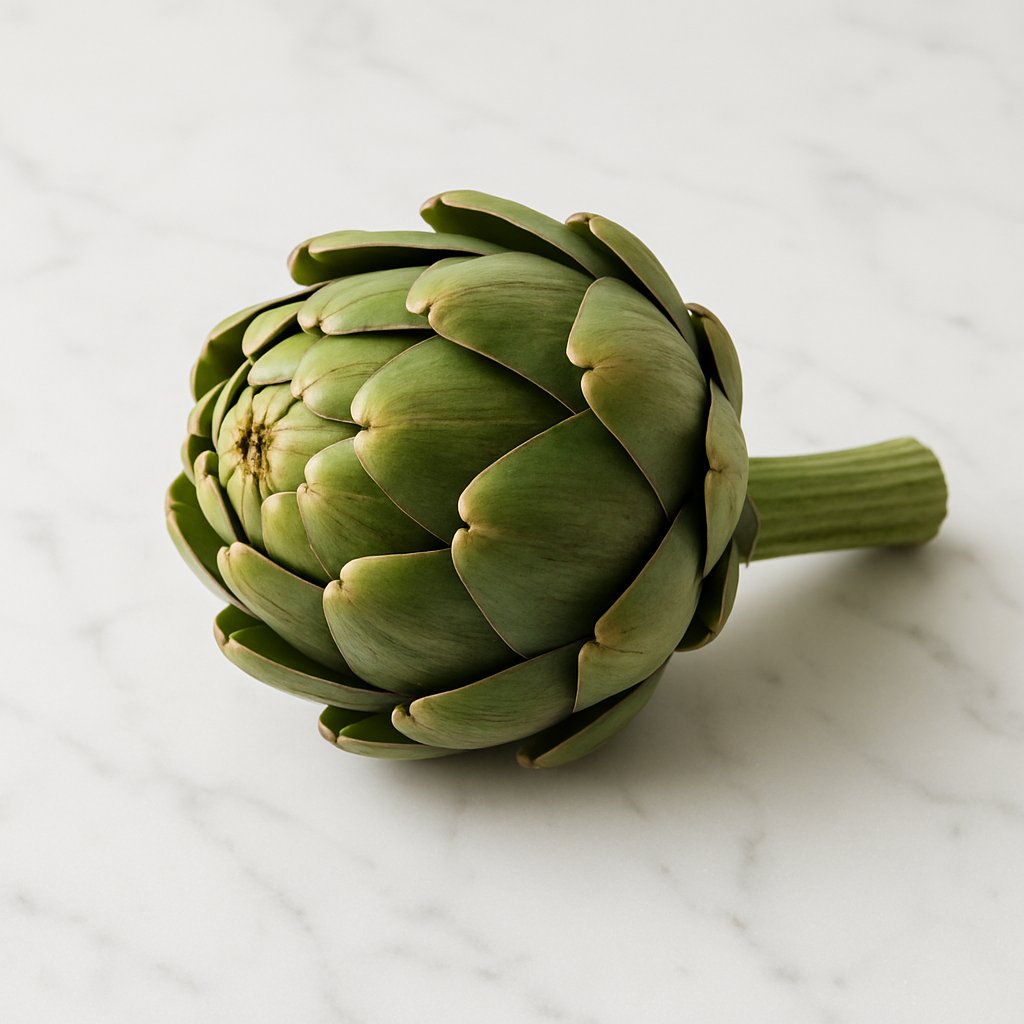
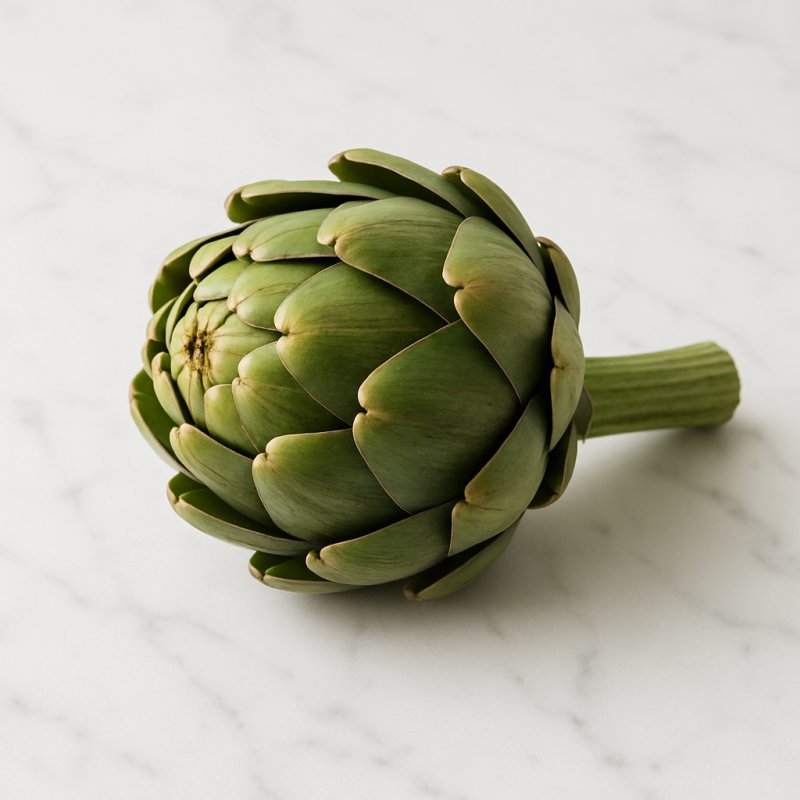
The artichoke is a special vegetable plant that belongs to the daisy family. What we eat is actually the flower still closed. Once it blooms it becomes woody and no longer tasty. Therefore it is important to know when and where to get artichokes and which varieties exist. That way you can choose the best artichoke for your dish and understand why it is sometimes large and round and sometimes small and elongated.
Origin and growing regions
The artichoke originally comes from the Mediterranean. People already knew this plant in ancient times. Today it is grown mainly in countries such as Italy, Spain, France and Egypt. There are also large cultivation areas in California in the USA. In Germany artichokes are grown too, but rather in smaller quantities and mainly in warmer regions, for example on the Upper Rhine or in parts of Bavaria.
Season and availability during the year
Artichokes have two particularly important harvest periods:
- Spring season (approximately from March to June): at this time many fresh artichokes from the Mediterranean arrive in shops. Quality is high and selection is large.
- Autumn season (approximately from September to November): here too there is a second wave, often with very aromatic heads.
Between these times you can also find artichokes, but they are often more expensive or come from further away. Supermarkets also offer artichoke hearts in jars or cans year-round. These are practical if you want to cook quickly, but they taste somewhat different from fresh ones.
How to recognize fresh artichokes?
- The leaves should sit firmly and not appear too dry.
- If you press lightly, they should be a bit