Menu & categories

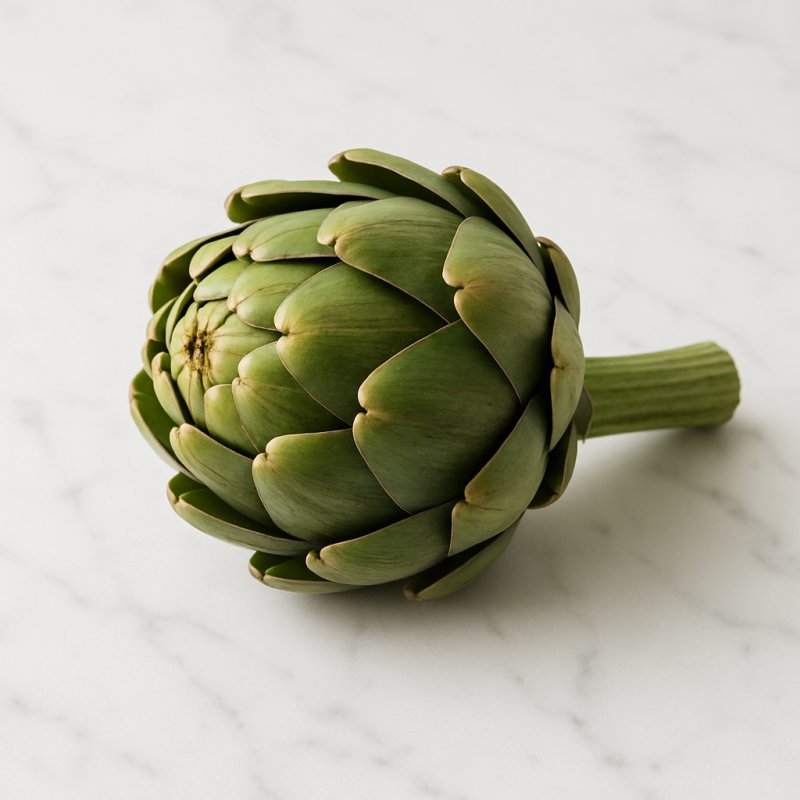
Artichoke

Low in calories, high in fiber and aromatic

Wiki about artichoke Nutri-Score A Vegan Yes Gluten-free Yes Lactose-free Yes Nut-free Yes
NUTRITION / 100 g
47 kcal 3.3 g Protein 10.5 g Kohlenhydrate 0.2 g Fett

Introduction

Fresh artichoke
The artichoke is one of the most fascinating ingredients in European cuisine: complex in flavor, impressive in shape and incredibly versatile in preparation. As a 35-year-old editor who shuttles between editorial deadlines, the weekly market and family meals, I learned to love the artichoke late — but since then I have followed it with curiosity through pots, pans and culinary memories. In restaurants I often order artichokes as a starter to see how different chefs handle this special thistle. Sometimes it is served puristically with lemon and olive oil, other times lavishly with herbs, garlic and a hint of roasted almonds. It is precisely this versatility that makes it so appealing.

Botanically, the artichoke is the flower bud of Cynara scolymus, a thistle-like plant that thrives especially in the Mediterranean. Its edible parts — above all the tender heart and the fleshy lower sides of the leaves — are a prime example of how culinary culture rewards patience. Anyone who has carefully removed the inner hairs (the so-called “choke”) knows: it takes some time, but the flavor is worth it. A colleague of mine who travels frequently to Rome for work regularly reports how in spring small trattorias serve “Carciofi alla Romana”: artichokes braised with mint and garlic until they are soft, fragrant and almost creamy on the tongue.

The origin of the artichoke is closely linked to Mediterranean landscapes: Italy, Spain and France have shaped its culinary profile for centuries. But interest is also growing in northern Europe, and well-stocked markets today offer various varieties and sizes. My first cool autumn haul at the weekly market in Brussels taught me what to look for when buying: firm, heavy heads, closed leaves and a deep green color. A slight squeak test when pressing the leaves can be a good sign of freshness.

When cooking the artichoke, a few but decisive tricks help. Half a lemon in the cooking water prevents darkening and preserves its gently bitter aroma. After the G

Availability & types

Availability and types of artichoke

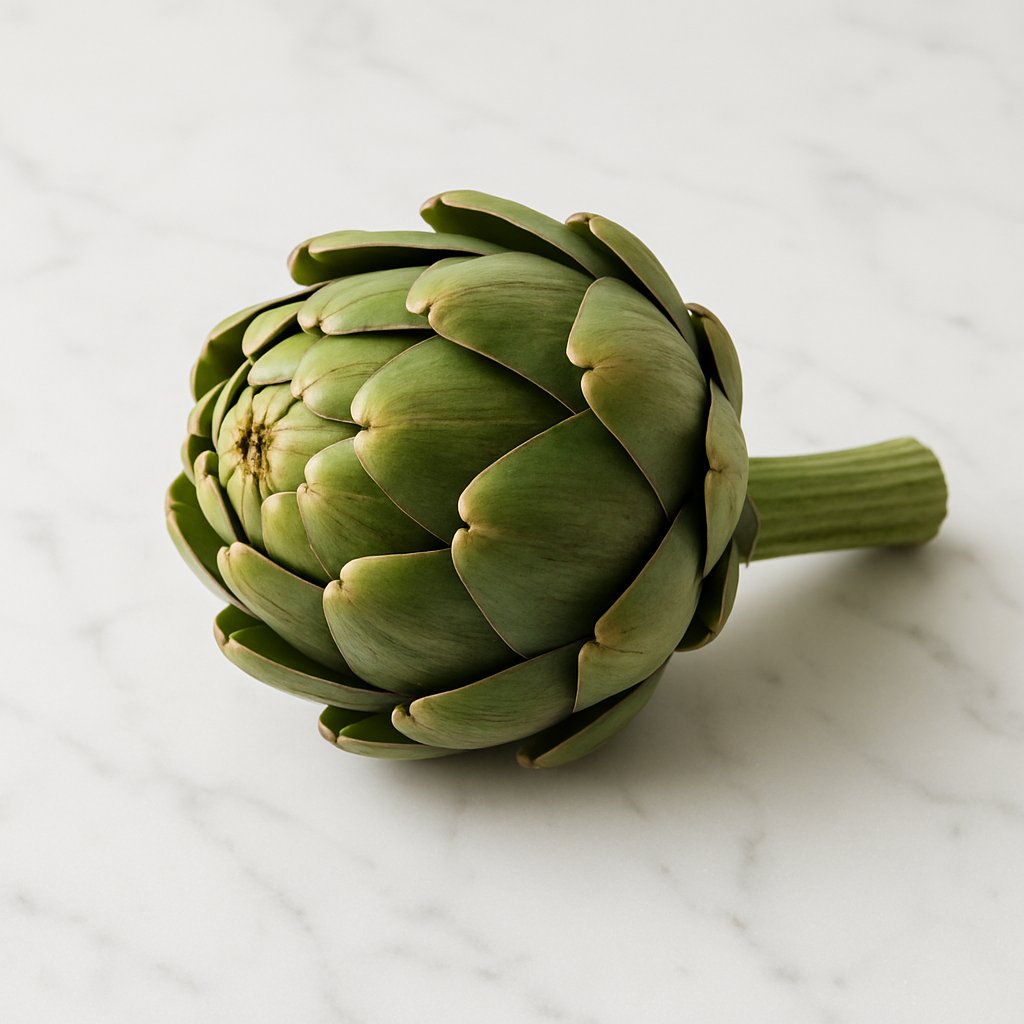
The artichoke is a special vegetable plant that belongs to the daisy family. What we eat is actually the flower still closed. Once it blooms it becomes woody and no longer tasty. Therefore it is important to know when and where to get artichokes and which varieties exist. That way you can choose the best artichoke for your dish and understand why it is sometimes large and round and sometimes small and elongated.

Origin and growing regions

The artichoke originally comes from the Mediterranean. People already knew this plant in ancient times. Today it is grown mainly in countries such as Italy, Spain, France and Egypt. There are also large cultivation areas in California in the USA. In Germany artichokes are grown too, but rather in smaller quantities and mainly in warmer regions, for example on the Upper Rhine or in parts of Bavaria.

Season and availability during the year

Artichokes have two particularly important harvest periods:

  • Spring season (approximately from March to June): at this time many fresh artichokes from the Mediterranean arrive in shops. Quality is high and selection is large.
  • Autumn season (approximately from September to November): here too there is a second wave, often with very aromatic heads.
Between these times you can also find artichokes, but they are often more expensive or come from further away. Supermarkets also offer artichoke hearts in jars or cans year-round. These are practical if you want to cook quickly, but they taste somewhat different from fresh ones.

How to recognize fresh artichokes?

  • The leaves should sit firmly and not appear too dry.
  • If you press lightly, they should be a bit
Details & nutrition

Property Value
Unit g
Average weight per piece 120
Calories per 100 47
Protein per 100 3.3
Carbohydrates per 100 10.5
Sugar per 100 1.0
Fat per 100 0.2
Saturated fat per 100 0.0
Monounsaturated fat 0.0
Polyunsaturated fat 0.1
Fiber per 100 5.4
Vitamin C (mg) per 100 11
Vitamin D (IU) per 100 0
Calcium (mg) per 100 44
Iron (mg) per 100 1.3
Nutri-Score A
CO₂ footprint 0.35 kg CO2e/kg
Origin Mediterranean region
Gluten-free Yes
Lactose-free Yes
Nut-free Yes
Vegan Yes
Note May cause cross-reactions with mugwort/ambrosia in sensitive individuals; naturally occurring inulin content.

Technical & scientific information

Artichoke (Cynara cardunculus var. scolymus) is a perennial crop plant of the family Asteraceae, valued primarily for its fleshy floral base and bracts. Botanically it is a thistle species whose unopened flower heads are harvested. Characteristic are the robust, deeply lobed leaves with silvery-green coloring and the impressive flower stalks. The artichoke is native to the Mediterranean agricultural landscape and prefers warm, sunny sites with well-drained soils. Its uses range from culinary applications to phytotherapy and the industrial extraction of bitter compounds.

Botany and morphology: The plant reaches 1 to 2 meters in height depending on variety and site. The edible portion is the flower base (receptacle) and the fleshy lower parts of the bracts. In full maturity violet tubular flowers form; for consumption the buds are harvested before anthesis. The root is deep and stores reserves, increasing drought resilience. Bitter compound content varies between varieties and cropping systems, as does the proportion of inulin and secondary plant metabolites.

Phytochemical profile: Artichokes contain a complex spectrum of bioactive compounds. The main components include:

  • Cynarin (1,3-dicaffeoylquinic acid) and related caffeic acid derivatives such as chlorogenic acid, which exhibit antioxidant and choleretic properties.
  • Flavonoids such as luteolin and apigenin glycosides, which contribute to radical-scavenging activity and modulate cellular signaling pathways.
  • Sesquiterpene lactones (including cinaropicrin) with a typical bitter profile, involved in taste perception and digestive physiology.
  • Inulin as a prebiotic fructan fiber that can support the gut microbiota.
  • Minerals
Wiki entry for: artichoke
Active now: 18 visitors of which 2 logged-in members in the last 5 minutes