Availability and types of apricots (raw)
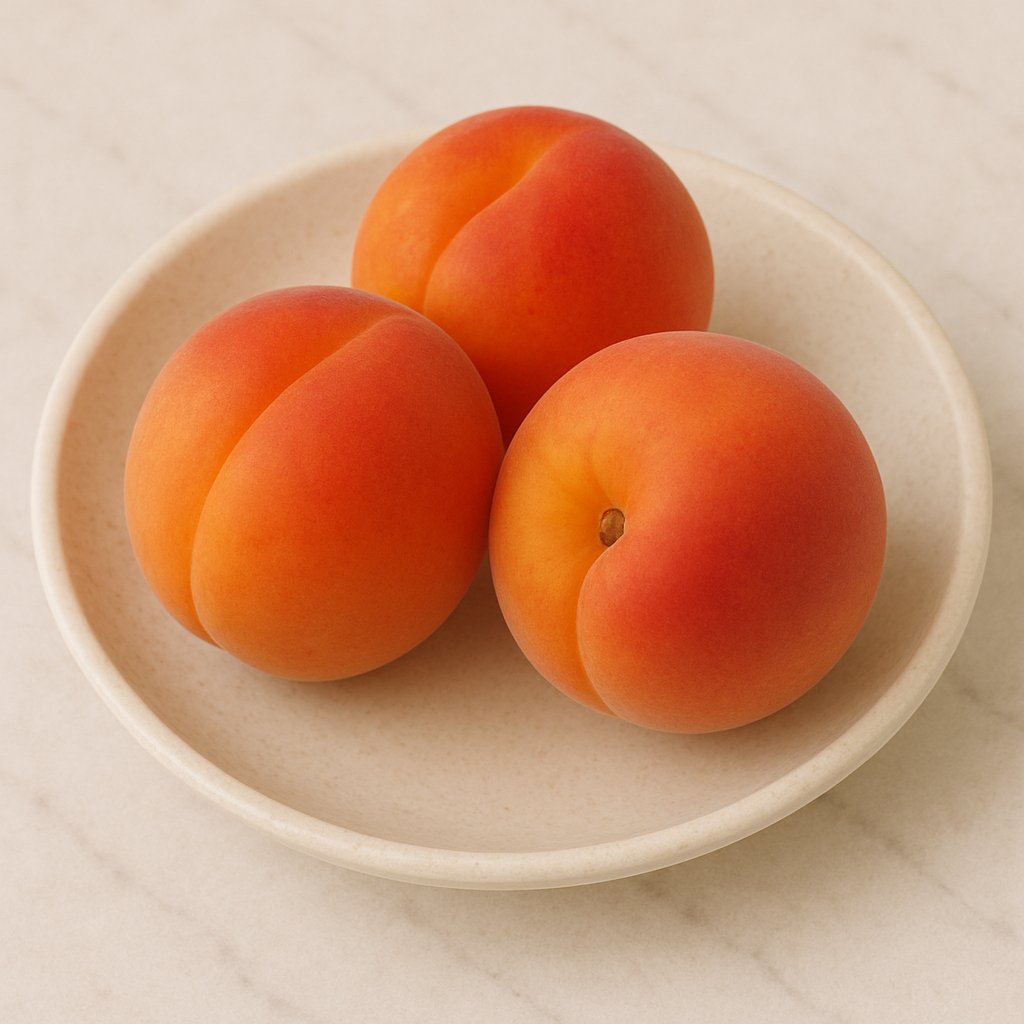
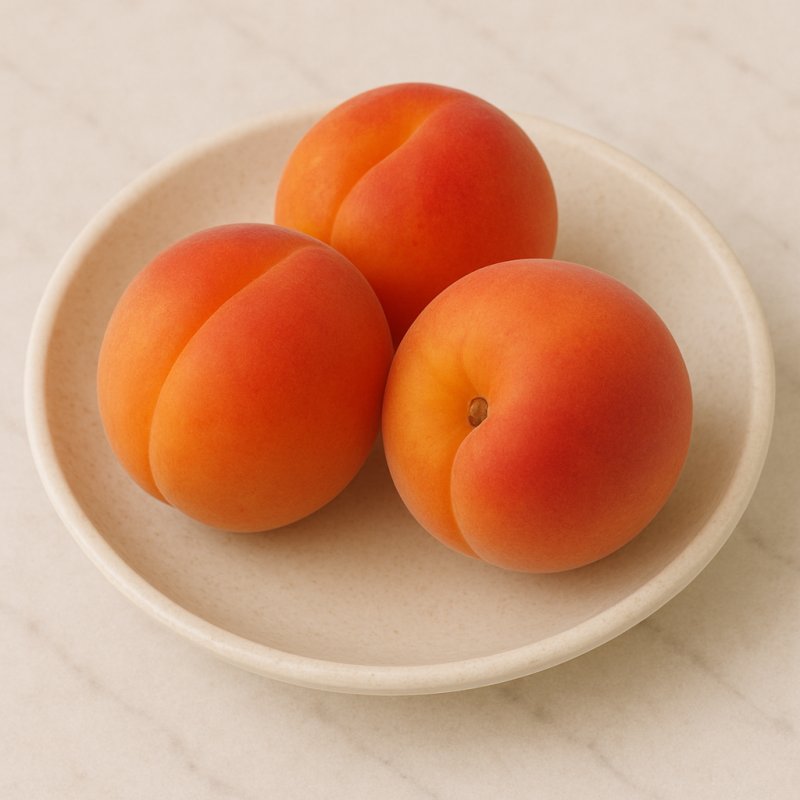
Apricots are small, rounded fruits with a soft, slightly velvety skin and a sweet-tart flavor. They grow on trees and have a long history: apricots originally come from Central Asia. From there people brought them to other parts of the world many hundreds of years ago. Today apricots are known almost everywhere, especially in warm regions.
Where do apricots grow?
Apricots thrive best in areas with warm summers and not-too-wet winters. Important growing regions include:
Apricots thrive best in areas with warm summers and not-too-wet winters. Important growing regions include:
- Europe: Especially in Southern Europe, for example in Spain, Italy and Greece. There they are largely grown for the fresh market and for processing (e.g. dried fruit).
- Turkey: Turkey is one of the world's largest producing countries. Many apricots from Turkey are sold fresh or dried.
- Middle East and Central Asia: Countries like Iran and Uzbekistan are among the traditional apricot-growing areas.
- North America: In California (USA) there are large apricot plantations, because the climate there is very suitable.
- Other regions: Apricots are also grown in Australia, South Africa and Chile, often for export to countries where the season is ending.
When are apricots available?
Fresh apricots have a summer season. In Europe they are usually available from late May to August, depending on variety and weather. Because of international trade you can often find apricot-like fruits for longer in the market, since they come from different countries with slightly staggered seasons. There are also dried apricots, jams or canned fruits available year-round.
Fresh apricots have a summer season. In Europe they are usually available from late May to August, depending on variety and weather. Because of international trade you can often find apricot-like fruits for longer in the market, since they come from different countries with slightly staggered seasons. There are also dried apricots, jams or canned fruits available year-round.
What varieties and variants are there?
Apricots come in many varieties. A variety is like a "family" of the fruit with certain characteristics, for example sweet taste, lighter or darker color tone or how firm the flesh is. Some common differences are:
Apricots come in many varieties. A variety is like a "family" of the fruit with certain characteristics, for example sweet taste, lighter or darker color tone or how firm the flesh is. Some common differences are:
- Color variants: Apricots can be light orange to dark orange or even with a red blush. The color tells something about the taste, but not everything.
- Taste: Some varieties are very sweet, others have stronger acidity and taste refreshing. It's like with apples: one variety is rather sweet, another more tart.
- Firmness: There are firm apricots that are good for transport, and more tender, juicier varieties that are often eaten fresh directly.
- Early and late varieties: Some apricots ripen earlier in the summer, others later. This ensures that in a region various varieties are available over several weeks.
- Types by use: - Fresh apricots: for direct eating. - Processing apricots: specially suited for drying, preserving or for juice.
Special notes
When you buy apricots, you can tell if they are ripe by their color and scent: ripe apricots smell sweet and yield slightly to gentle pressure. Unripe ones are harder and less aromatic. For children apricot is a good snack: sweet, juicy and easy to eat, provided the hard pit (stone) is removed or set aside.
When you buy apricots, you can tell if they are ripe by their color and scent: ripe apricots smell sweet and yield slightly to gentle pressure. Unripe ones are harder and less aromatic. For children apricot is a good snack: sweet, juicy and easy to eat, provided the hard pit (stone) is removed or set aside.
In summary: apricots originally come from Central Asia, are today grown in many warm regions of the world and exist in numerous varieties – from firm fruits for transport to especially juicy varieties for fresh consumption. The fresh season is usually in summer, but dried or preserved apricots are available year-round.