Menu & categories

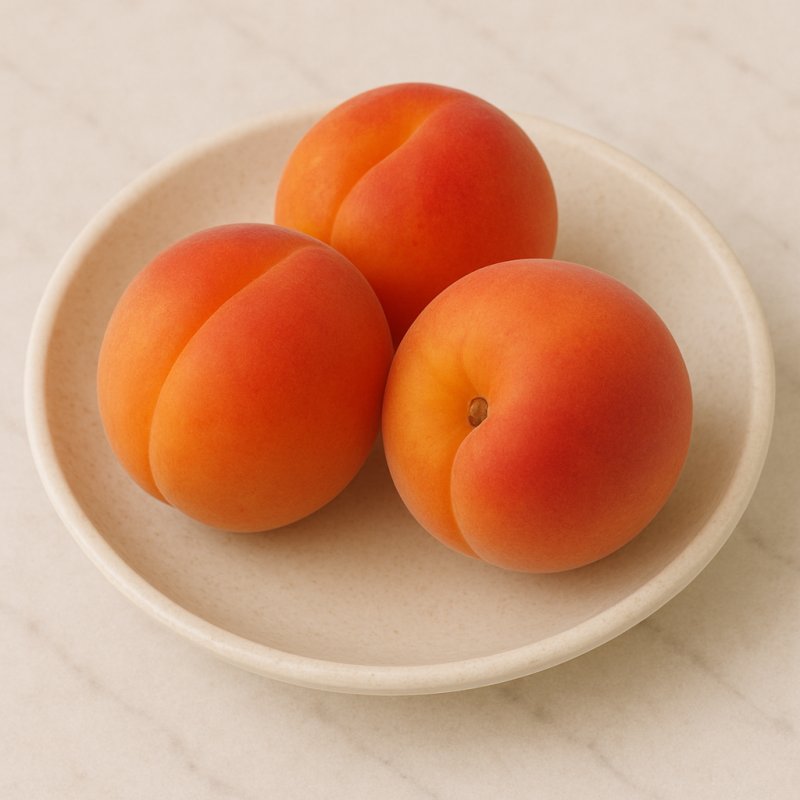
Apricots

Juicy, aromatic stone fruits rich in vitamins A and C

Wiki about apricot Nutri-Score A Vegan Yes Gluten-free Yes Lactose-free Yes Nut-free Yes
NUTRITION / 100 g
48 kcal 1.4 g Protein 11 g Kohlenhydrate 0.4 g Fett

Introduction

Fresh raw apricots halved with the pit
I still remember my first intense summer with apricots: a basket at the market stall that would not stop smelling, and the sun making the skin of the fruits glow golden. Raw apricots are for me a small wonder of nature – tender, sweet-tart and instantly ready to evoke memories and bursts of flavor. When I cut one open, I think of those spontaneous breaks at the office when a colleague brought a handful and we briefly forgot that work was still waiting.

What fascinates me about raw apricots is their versatility. They taste great plain as a snack, easily complement a mixed salad and bring immediate summer lightness to simple yogurt or quark. I once experimented by placing apricot slices over warm goat cheese – the creamy and fruity combination nearly overwhelmed me. I never forget how important the right ripeness is: too firm apricots are unpleasantly tart, too soft they lose structure and flavor.

From a nutritional perspective raw apricots are little powerhouses. They provide vitamins, fiber and antioxidants that often give me a welcome boost on low-energy days. I like to add a few slices to my smoothie because they contribute not only sweetness but also a pleasant texture. A colleague swears by using them as a natural sweetener in his muesli – an idea I quickly adopted.

When shopping I look for firm but slightly yielding fruits with an intense aroma. I avoid dull or completely colorless specimens, because aroma and color reveal quality. At home I store them briefly in the fruit bowl, since refrigerator cold often dulls the delicate aroma. A small anecdote: once I forgot a basket of apricots on the windowsill and found them in the evening swarmed by tiny golden flies – a clear sign that the neighbor's cat was apparently the second choice.

Overall raw apricots are for me a symbol of summer enjoyment: uncomplicated, aromatic and always ready to enable new taste experiences. They bring color to everyday life and remind me how important small culinary pleasures are.

Availability & types

Availability and types of apricots (raw)

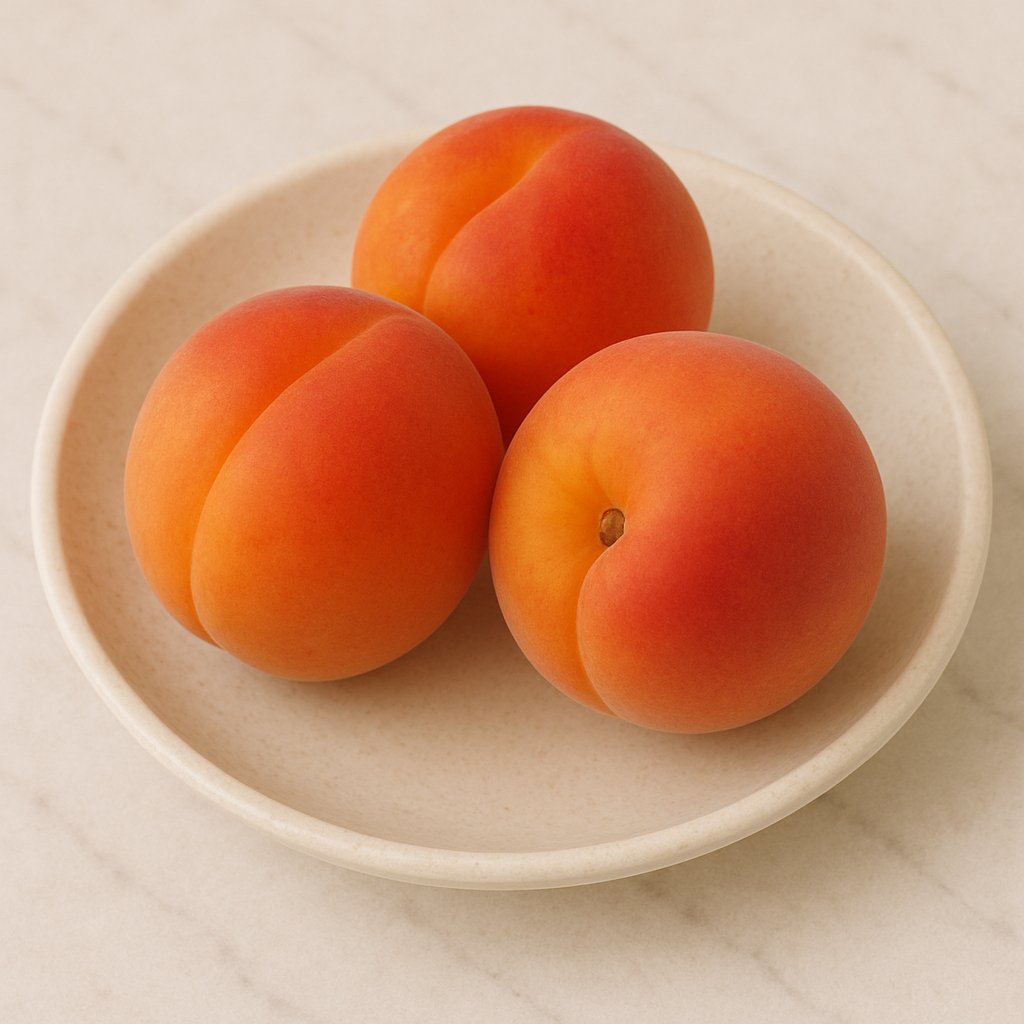
Apricots are small, rounded fruits with a soft, slightly velvety skin and a sweet-tart flavor. They grow on trees and have a long history: apricots originally come from Central Asia. From there people brought them to other parts of the world many hundreds of years ago. Today apricots are known almost everywhere, especially in warm regions.

Where do apricots grow?
Apricots thrive best in areas with warm summers and not-too-wet winters. Important growing regions include:

  • Europe: Especially in Southern Europe, for example in Spain, Italy and Greece. There they are largely grown for the fresh market and for processing (e.g. dried fruit).
  • Turkey: Turkey is one of the world's largest producing countries. Many apricots from Turkey are sold fresh or dried.
  • Middle East and Central Asia: Countries like Iran and Uzbekistan are among the traditional apricot-growing areas.
  • North America: In California (USA) there are large apricot plantations, because the climate there is very suitable.
  • Other regions: Apricots are also grown in Australia, South Africa and Chile, often for export to countries where the season is ending.
When are apricots available?
Fresh apricots have a summer season. In Europe they are usually available from late May to August, depending on variety and weather. Because of international trade you can often find apricot-like fruits for longer in the market, since they come from different countries with slightly staggered seasons. There are also dried apricots, jams or canned fruits available year-round.

What varieties and variants are there?
Apricots come in many varieties. A variety is like a "family" of the fruit with certain characteristics, for example sweet taste, lighter or darker color tone or how firm the flesh is. Some common differences are:

  • Color variants: Apricots can be light orange to dark orange or even with a red blush. The color tells something about the taste, but not everything.
  • Taste: Some varieties are very sweet, others have stronger acidity and taste refreshing. It's like with apples: one variety is rather sweet, another more tart.
  • Firmness: There are firm apricots that are good for transport, and more tender, juicier varieties that are often eaten fresh directly.
  • Early and late varieties: Some apricots ripen earlier in the summer, others later. This ensures that in a region various varieties are available over several weeks.
  • Types by use: - Fresh apricots: for direct eating. - Processing apricots: specially suited for drying, preserving or for juice.
Special notes
When you buy apricots, you can tell if they are ripe by their color and scent: ripe apricots smell sweet and yield slightly to gentle pressure. Unripe ones are harder and less aromatic. For children apricot is a good snack: sweet, juicy and easy to eat, provided the hard pit (stone) is removed or set aside.

In summary: apricots originally come from Central Asia, are today grown in many warm regions of the world and exist in numerous varieties – from firm fruits for transport to especially juicy varieties for fresh consumption. The fresh season is usually in summer, but dried or preserved apricots are available year-round.
Details & nutrition

Property Value
Unit g
Average weight per piece 40
Calories per 100 48
Protein per 100 1.4
Carbohydrates per 100 11
Sugar per 100 9
Fat per 100 0.4
Saturated fat per 100 0.03
Monounsaturated fat 0.1
Polyunsaturated fat 0.15
Fiber per 100 2
Vitamin C (mg) per 100 10
Vitamin D (IU) per 100 0
Calcium (mg) per 100 13
Iron (mg) per 100 0.4
Nutri-Score A
CO₂ footprint 0.3
Origin Mediterranean region / Central Asia, today cultivated worldwide
Gluten-free Yes
Lactose-free Yes
Nut-free Yes
Vegan Yes
Note Nutritional values refer to fresh, raw apricots without the pit; values may vary slightly depending on variety and ripeness.

Technical & scientific information

Apricots (raw) are the ripe fruits of the apricot tree (Prunus armeniaca) and belong to the family Rosaceae. When eaten raw they are characterized by a soft, juicy fruit structure, a smooth to slightly velvety epidermis and an oval to rounded shape. The fruit consists of three main compartments: skin (epidermis), flesh (mesocarp) and the stone casing (endocarp), which surrounds the hard-shelled seed. Exact size, color and sweetness vary by variety and degree of ripeness.

Chemical composition and nutritional values
Raw apricot flesh consists mainly of water (typically 85–88%) and contains carbohydrates as the main dry matter, predominantly in the form of free sugars such as fructose, glucose and sucrose. Energy content is around 40–48 kcal per 100 g of fruit. Other significant nutrients are:

  • Carbohydrates: approx. 9–12 g/100 g, with simple sugars making up the largest share.
  • Dietary fiber: approx. 2 g/100 g, including soluble and insoluble fractions.
  • Protein: low, about 0.5–1 g/100 g.
  • Fat: very low, under 0.5 g/100 g.
  • Vitamins: notable is the content of provitamin A (beta‑carotene), expressed in retinol equivalents, as well as significant amounts of vitamin C and, to a lesser extent, B vitamins such as niacin and pantothenic acid.
  • Minerals: potassium is the dominant mineral; traces of calcium, magnesium, phosphorus and iron are also present.
Secondary plant compounds
Apricots contain a range of bioactive secondary plant compounds. These include carotenoids (mainly beta‑carotene and lutein), which contribute to the orange coloring and have antioxidant properties. Flavonoids and phenolic compounds are found in the flesh and especially in the skin, where they inhibit oxidative processes and influence flavor components. The concentration of these compounds typically increases with ripeness and varies by variety.

Processing and storage
Raw apricots can be stored fresh, with cooling (at about 0–4 °C) extending shelf life to several days up to two weeks. The fruit is sensitive to bruising and rapid water loss; suitable packaging and gentle handling reduce quality losses. Common processing methods include canning, drying (in which water is removed and sugars and nutrients are concentrated), freezing and processing into juices or purees. During drying fiber and sugar contents per unit weight increase, while vitamin C is significantly reduced.

Health aspects
Consumption of raw apricots provides vitamins, minerals and antioxidants that can have positive effects on visual function (through vitamin A/beta‑carotene), skin health and oxidative protection. The high potassium content supports electrolyte balance and cardiovascular functions. People with sensitive stomachs should be cautious about consuming large amounts, as the sorbitol and fiber content may cause digestive discomfort in some individuals.

Risks and warnings
It is important to distinguish between the flesh and the apricot kernel. The kernels contain amygdalin, a cyanogenic glycoside that can release prussic acid (cyanide) upon enzymatic hydrolysis. Consumption of large amounts of bitter apricot kernels can therefore be toxic; the sweet kernels of commercial varieties contain significantly less amygdalin. Raw apricots themselves do not pose a cyanide risk when consumed normally, as long as kernels are not accidentally crushed or eaten in large numbers.

Sensory and culinary use
Raw, apricots have a balanced acid-sugar ratio that ranges from mildly tart to very sweet depending on the variety. The soft texture and aromatic volatile profile make them suitable for fresh use in salads, desserts, smoothies and as raw snacks. The skin contributes significantly to the flavor and to the content of secondary plant compounds; it is usually edible.

In summary raw apricots are water-rich fruits with moderate energy content, rich in beta‑carotene, vitamin C and potassium as well as various secondary plant compounds. They can be enjoyed fresh or processed in many ways, but require gentle storage. Attention should be paid to consumption of the kernels as food because of the amygdalin content, especially in large amounts.

Wiki entry for: apricot
Active now: 14 visitors of which 2 logged-in members in the last 5 minutes