Availability and types of anise
Anise is a spice plant whose seeds are often used in kitchens and medicine. The plant originates from the Mediterranean region and Western Asia. You can think of it as a type of culinary plant that has been growing there for many hundreds of years – in countries like Turkey, Greece, Egypt and parts of India. These regions have warm, sunny weather and soils in which anise thrives. Therefore anise is mainly found in these areas, but also in other warm countries where farmers cultivate it.
Growing regions
Anise grows best in warm, sunny areas with well-drained soil, meaning soil in which water does not stagnate. In Europe Spain and Italy are particularly known as anise producers. In Asia India is a major anise-growing country. Anise is also cultivated in North Africa, for example in Egypt. Smaller quantities are often grown in home gardens or by small farmers, because the plant is not very complicated to care for: it needs sun, some water and space to grow.
Anise grows best in warm, sunny areas with well-drained soil, meaning soil in which water does not stagnate. In Europe Spain and Italy are particularly known as anise producers. In Asia India is a major anise-growing country. Anise is also cultivated in North Africa, for example in Egypt. Smaller quantities are often grown in home gardens or by small farmers, because the plant is not very complicated to care for: it needs sun, some water and space to grow.
Available varieties and forms
When talking about anise there is not just a single type. The most common form we find on spice shelves or in pharmacies are dried anise seeds. They look like small, elongated seeds with a slightly ridged exterior. The taste is sweetish and reminiscent of licorice. However, there are also differences in anise that are useful to know:
When talking about anise there is not just a single type. The most common form we find on spice shelves or in pharmacies are dried anise seeds. They look like small, elongated seeds with a slightly ridged exterior. The taste is sweetish and reminiscent of licorice. However, there are also differences in anise that are useful to know:
- Cleansed anise seeds: these are the normal seeds you find in supermarkets. They are dried and sometimes lightly cleaned so they are clean and ready to use.
- Ground anise: the seeds are finely ground into a powder. This is convenient when you want the flavor to be distributed evenly in dough or sauces, similar to using flour instead of whole grains.
- Anise oil: an essential oil can be obtained from anise seeds, which smells very intense. This oil is used in very small amounts, for example in perfumes, soaps or sometimes in minute doses in foods or medicines.
- Grouping by origin: sometimes anise varieties are named after the country they come from (e.g. “Turkish anise” or “Egyptian anise”). These labels can indicate small differences in flavor or seed size, similar to how apples from different countries can taste slightly different.
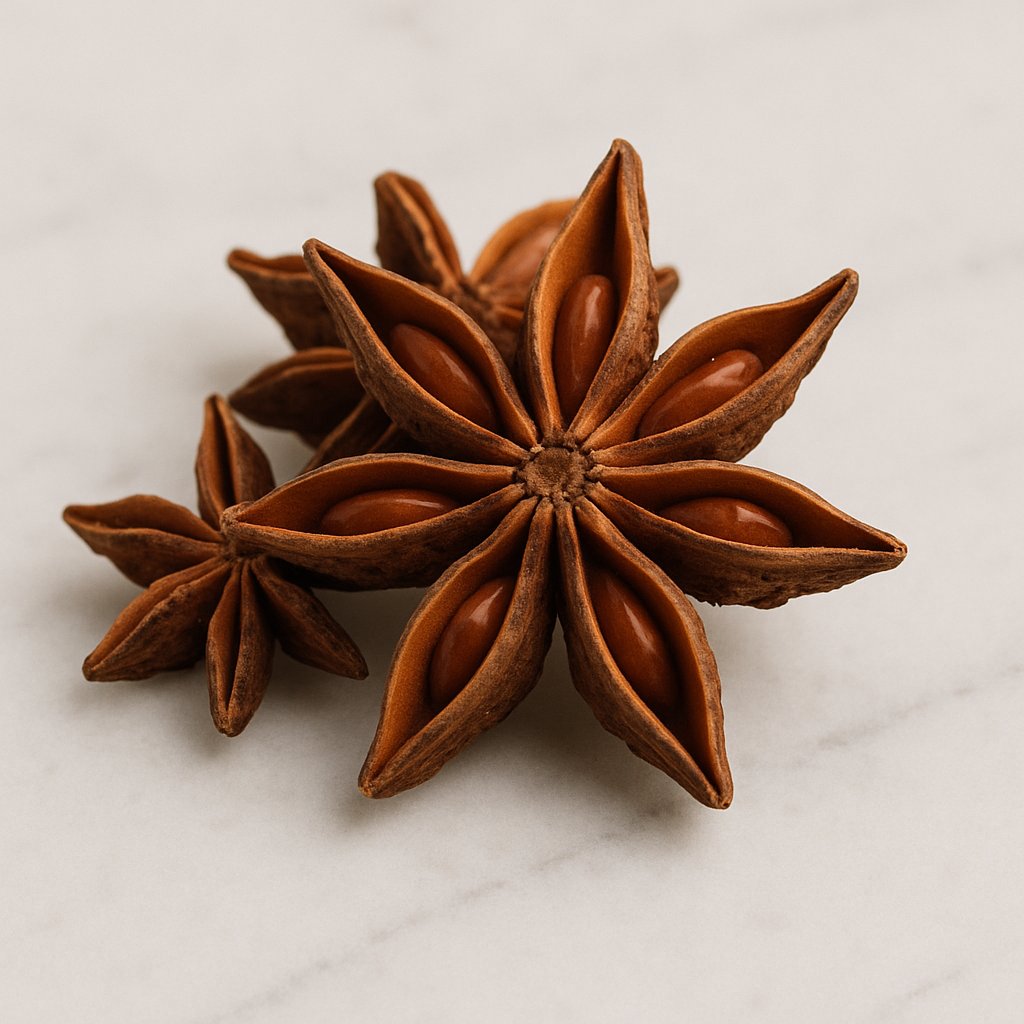
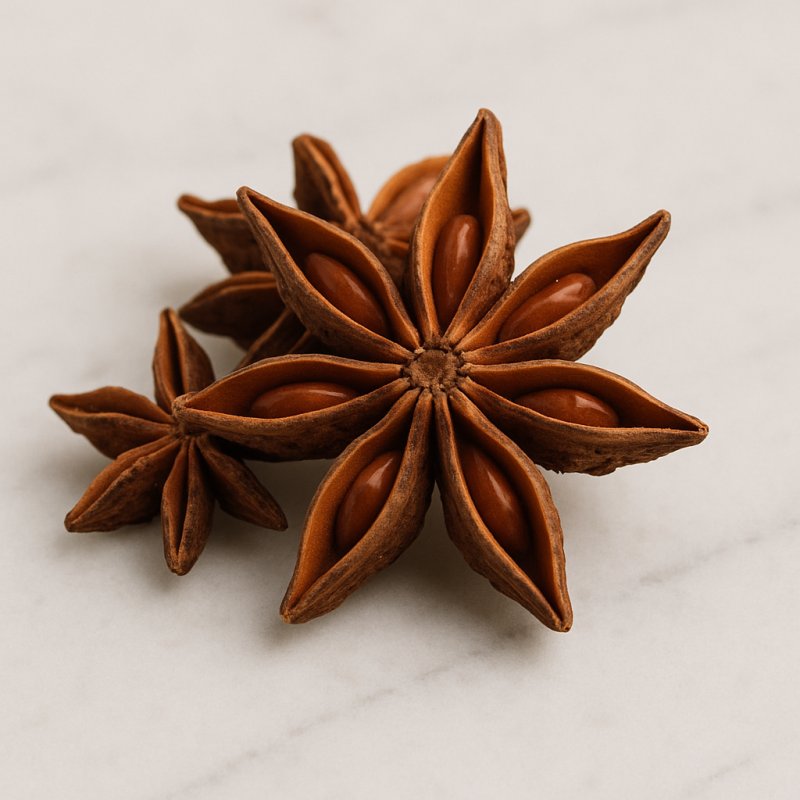
- Related plants: there are plants with a similar taste but that are not exactly anise, for example fennel or star anise. Star anise comes from Asia and has a star-shaped pod. Its flavor is similar but not identical. Sometimes these variants are used as substitutes when true anise is not available.
How easy is it to obtain anise?
Anise is easy to find in many supermarkets, health food stores and spice shops. Dried seeds are often available in small jars or packages. Ground anise is also found, though the flavor is fresher if whole seeds are ground shortly before use. Anise oil is rarer on food shelves but can be found in pharmacies or from essential oil suppliers. If you live in a city, chances are high you will find anise; in rural areas you may sometimes need a specialist spice shop or the internet to obtain the desired variety.
Anise is easy to find in many supermarkets, health food stores and spice shops. Dried seeds are often available in small jars or packages. Ground anise is also found, though the flavor is fresher if whole seeds are ground shortly before use. Anise oil is rarer on food shelves but can be found in pharmacies or from essential oil suppliers. If you live in a city, chances are high you will find anise; in rural areas you may sometimes need a specialist spice shop or the internet to obtain the desired variety.
In summary: anise originates from the Mediterranean and Western Asia, is now cultivated in many warm countries and is available in various forms – whole seeds, ground powder or oil. There are slight differences depending on origin, and related plants such as fennel or star anise can serve as substitutes if needed. Thus anise is a versatile and usually readily available ingredient used in many kitchens and home remedies.