Menu & categories

Angostura

Aromatic bitters for cocktails and cooking – very concentrated and alcoholic.

Wiki about Angostura Nutri-Score E Vegan Yes Gluten-free Yes Lactose-free Yes Nut-free Yes
NUTRITION / 100 ml
250 kcal 0.0 g Protein 2.0 g Kohlenhydrate 0.0 g Fett

Introduction

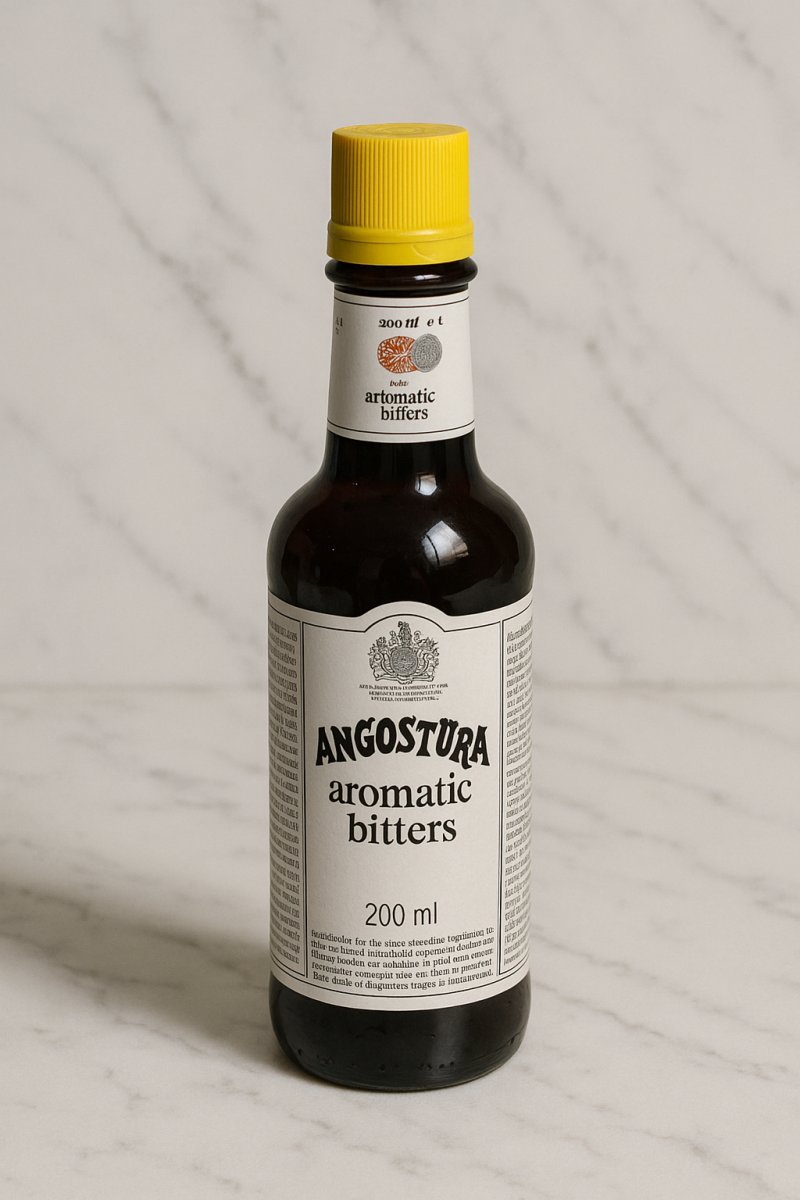
Bottle of Angostura bitters
I still remember the evening I first consciously tried Angostura: a friend mixed an Old Fashioned at the kitchen table and placed the small, unmistakable bottle next to the glass. The scent hit me immediately, as if a spice box had been overturned. Since then Angostura has taken a permanent place in my home bar and in many of my recipes.

Angostura is a concentrated bitter flavor that was originally developed in 1824 by Dr. Johann Gottlieb Benjamin Siegert in Venezuela and is today mainly associated with the brand from Trinidad. The name derives from a place name and not, as is often assumed, from a particular tree bark. The exact recipe remains a well-kept secret, which makes the product additionally mystical.

In taste Angostura is complex: it combines a bitter base with notes of cinnamon, clove, citrus and roots and is surprisingly rounded. Only a few drops are enough to give a cocktail or dish depth. I learned that less is more after a colleague of mine accidentally dosed too generously at a dinner tasting and we all suddenly craved a sip of water.

The uses are versatile and surprising.

  • Cocktails: Classics like the Old Fashioned, Manhattan or Pink Gin benefit the most.
  • Cooking: A few drops elevate sauces, braised dishes and marinades to a new level.
  • Desserts: Chocolate, caramel and ice cream gain additional spice through Angostura.
Due to its high alcohol content Angostura keeps surprisingly well and should be stored in the dark and closed. I use it sparingly and like to experiment with combinations, for example a hint in a tomato sauce or a dash in hot chocolate on cold evenings.

For me Angostura is more than just a classic cocktail ingredient; it is a small bottle with great personality that evokes good memories, refines dishes and gets conversations going at the bar.

Availability & types


Availability and types of Angostura

Where does Angostura come from?
Angostura is best known as the name for a well-known cocktail ingredient: Angostura Bitters. The spice blend was invented in the early 19th century in the town of Angostura (today Ciudad Bolívar) in Venezuela. Later the manufacturer moved production to Trinidad and Tobago, an island in the Caribbean. You can remember it like this: invented in South America, produced today in the Caribbean.

What is behind the name?
The word “Angostura” was formerly also used for the bark of certain trees used against ailments. This is a bit confusing, because the name can therefore mean two things: the place and the tree bark. The famous Angostura Bitters, however, are a spice drink mixed according to a secret recipe and produced by the company in Trinidad.

Which types or varieties exist?
Angostura does not come in only one variety. The company has produced different variants so you can choose according to taste or recipe. Here are the main ones, explained simply:

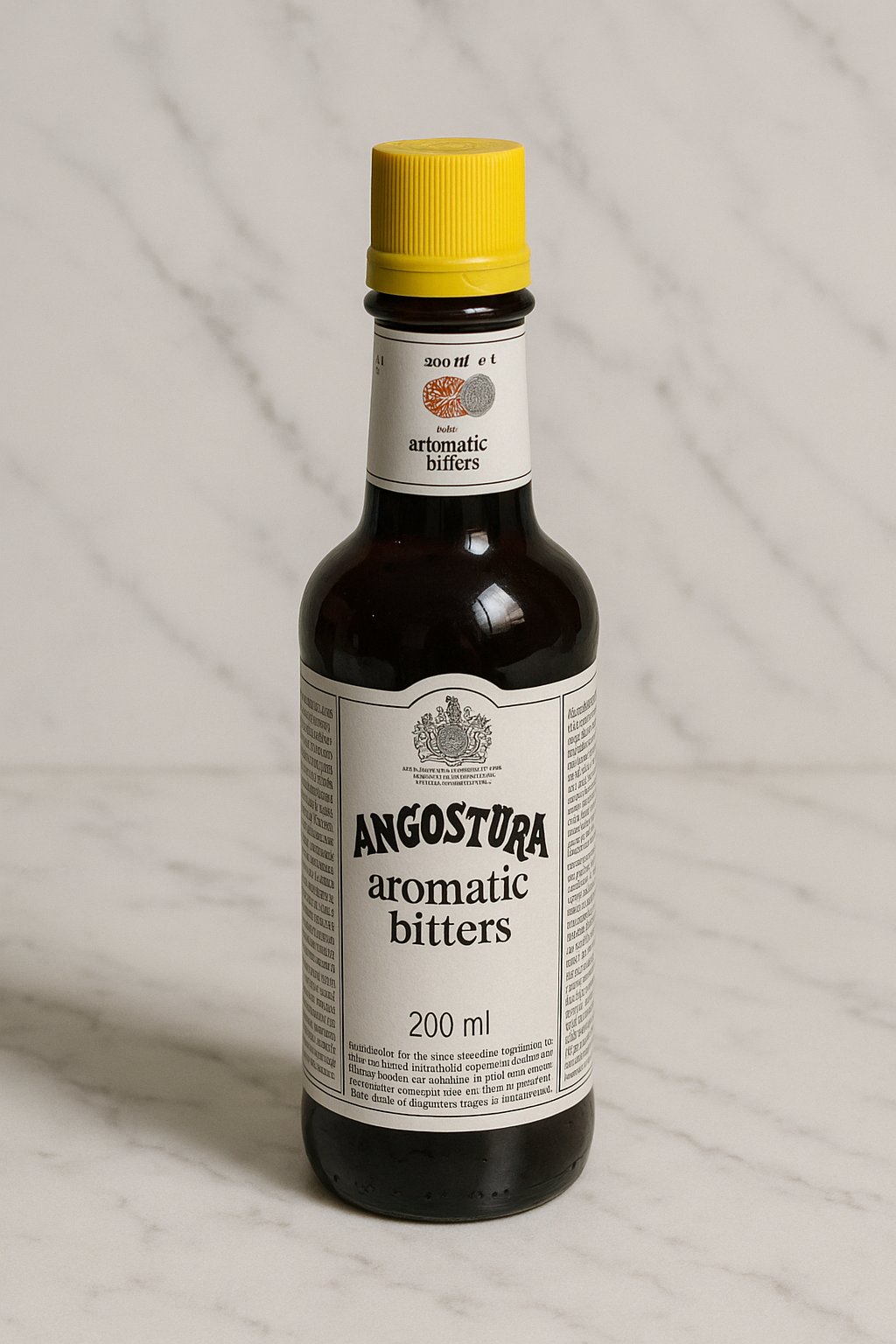
  • Aromatic Bitters (the original) – This is the classic bottle with the large white label. Only very few drops are used because the flavor is very intense and bitter-spicy. Ideal for many cocktails and also for cooking when you want to give dishes depth.
  • Orange Bitters – This variant tastes more citrusy, i.e. of orange. It makes drinks fresher and pairs well with cocktails that need a fruity note. Imagine adding a few drops of freshly pressed orange zest to a cake – it works in a similar way.
  • Cocoa or Chocolate Bitters – Some varieties have chocolatey notes. They are suitable when you want to deepen a chocolate flavor, for example in desserts or certain drinks.
  • Other special editions – Sometimes the company releases special versions, for example with other spices or as a limited edition. These are special taste variants that are not always permanently available in stores.
How and where can you buy Angostura?
Angostura is quite popular worldwide, so you can find the products in many places:

  • In supermarkets or in the well-stocked spice section, especially in countries with a strong cocktail or bar culture.
  • In liquor stores and specialist shops for bartender equipment.
  • Online shops – here you usually find the largest selection and can order different sizes.
The bottles often come in small dropper bottles for home use and in larger bottles for bars. Bitters keep for a very long time because alcohol and spices preserve them – they are best stored in a dark, cool place.

Simple example: Think of Angostura Bitters as a very concentrated perfume for food and drink: a little is enough to change the flavor. Those who prefer fruity notes choose Orange; those who want the classic, spicy taste choose Aromatic.

This is how you find Angostura: easily in many shops or online, with a few main varieties (Aromatic, Orange, Cocoa and special editions) and in different bottle sizes – practical for home cooks and bartenders alike.
Details & nutrition

Property Value
Unit ml
Calories per 100 250
Protein per 100 0.0
Carbohydrates per 100 2.0
Sugar per 100 1.0
Fat per 100 0.0
Saturated fat per 100 0.0
Monounsaturated fat 0.0
Polyunsaturated fat 0.0
Fiber per 100 0.0
Vitamin C (mg) per 100 0
Vitamin D (IU) per 100 0
Calcium (mg) per 100 0
Iron (mg) per 100 0.0
Nutri-Score E
CO₂ footprint 1.0 kg CO2e/L
Origin Trinidad and Tobago
Gluten-free Yes
Lactose-free Yes
Nut-free Yes
Vegan Yes
Note Very concentrated bitter preparation with high alcohol content; typically used dropwise.

Technical & scientific information


Angostura in the culinary and pharmaceutical context primarily refers to the well‑known brand Angostura aromatic bitters, a concentrated hydroalcoholic bitter extract used as an aromatic ingredient in cocktails, foods and occasionally as a digestive tonic. The name is historically derived from the city of Angostura (now Ciudad Bolívar); the exact recipe is a company secret, however the basic composition and the relevant chemical and technological aspects can be described in general terms.

Composition and ingredients. Angostura bitters are typically a mixture of ethanol and water (high alcohol content in the starting liquid), alcoholic extracts of various plant components and supplementary ingredients for stabilization and coloring. The functional classes of substances commonly found in such bitters include:

  • Bitter compounds (secondary plant metabolites such as iridoids, secoiridoids or other bitter‑tasting glycosides), which are responsible for the bitter taste.
  • Essential oils and terpenes (e.g. limonene, myrcene, cineole), which provide volatile aromatic components.
  • Polyphenols and tannins, which contribute to astringency and color.
  • Possible alkaloids, if barks such as cinchona bark were used; for Angostura the use of specific alkaloids is not officially confirmed.
  • Excipients such as caramel coloring to standardize color and small amounts of sugar or sweeteners in some variants.
Processing methods. Bitters are produced through standardized steps: selection and drying of botanicals, comminution, maceration or alcoholic extraction of the plant substances, filtration, possibly maturation to integrate aromas, filtration and final blending with carrier alcohol, water and additives. Technologically, extraction temperature, alcohol strength and extraction time are decisive for yield and profile of the components. Preservation occurs primarily through the high alcohol content.

Chemical analysis and quality control. Analytical methods are used for characterization and control, for example GC–MS to identify volatile terpenes, HPLC to quantify bitter compounds and polyphenols, and spectrophotometry for colorants. Sensory tests complement the chemical measurements, since the overall aroma strongly depends on the interaction of many components.

Nutritional values and usage amounts. Bitters are dosed in very small amounts (one to a few sprays per drink); therefore the energy contribution per serving is negligible, despite the high starting alcohol content. Nutritional information on bottles is thus usually not relevant for the daily calorie balance.

Health aspects. In the short term the contained bitter compounds can stimulate saliva and gastric juice secretion and act as an appetite stimulant. Because of the high alcohol content larger amounts are contraindicated; pregnant women, children and people with certain diseases should avoid consumption. If extracts of cinchona bark or comparable alkaloids were used there could be interactions with medications or side effects; since the exact recipe is proprietary, cautious behavior is advised in case of intolerances.

Additional notes. Contrary to a common assumption, the brand name Angostura does not necessarily contain bark of the plant Angostura (Galipea / Angostura barks) – the designation arose historically and for trademark reasons. For product development, food safety and regulatory classification the usual standards for aromatic bitters and alcoholic extracts apply, including labeling obligations and limits for toxic contaminants.

Overall Angostura is a complex hydroalcoholic plant extract with a dominant aroma impression from bitter compounds and essential oils; its effect, stability and sensory properties are the result of targeted raw material selection, extraction technique and maturation processes.

Wiki entry for: Angostura
Active now: 15 visitors of which 2 logged-in members in the last 5 minutes