Menu & categories

Amaretto Pudding

Creamy pudding with Amaretto flavor

Wiki about amaretto pudding Nutri-Score D Vegan No Gluten-free No Lactose-free No Nut-free No
NUTRITION / 100 g
130 kcal 3.0 g Protein 18.0 g Kohlenhydrate 4.5 g Fett

Introduction

Bowl of creamy Amaretto pudding
I still remember the first spoonful of Amarettopudding I tried in a small café on a cobbled street: velvety, with a light scent of almond and marzipan, a hint of bitterness that balanced the sweetness. Amarettopudding is for me one of those ingredients that at first glance seem unassuming, but then make all the other components shine. It is not just a dessert but a versatile flavor carrier that enriches both classic desserts and modern cakes, creams and even savory sauces.

What I particularly value about Amarettopudding is its simplicity and depth at the same time. The base recalls almonds, but often there is more behind it: amaretto, bitterness from apricot kernels or lightly toasted aromas. A colleague of mine was once skeptical until I refined a rice pudding with a spoonful of Amarettopudding — his eyes lit up because the aroma suddenly felt familiar and surprising at the same time.

I quickly adopted typical uses for Amarettopudding in my kitchen:

  • As a creamy layer in layered desserts, where it harmonizes with mascarpone and espresso.
  • In mousses and ice cream, to enhance depth and marzipan notes.
  • To flavor sauces or glazes that range from sweet to slightly bitter.
For spontaneous hosts, Amarettopudding is a secret tip: it requires no long preparation yet still appears sophisticated. I think of an improvised dessert platter I once served — simple fruit, a dollop of quark, a spoonful of Amarettopudding and some roasted almond brittle: the guests asked for the recipe. The principle is as simple as it is ingenious: few ingredients, big impact.

When I cook with friends I like to tell little stories about the ingredient — about holidays, small baking mishaps and the joy when a familiar taste makes a dish unmistakable. Amarettopudding is for me exactly that: an aromatic bridge between tradition and experiment that should not be missing from any culinary collection.

Availability & types

Availability and types

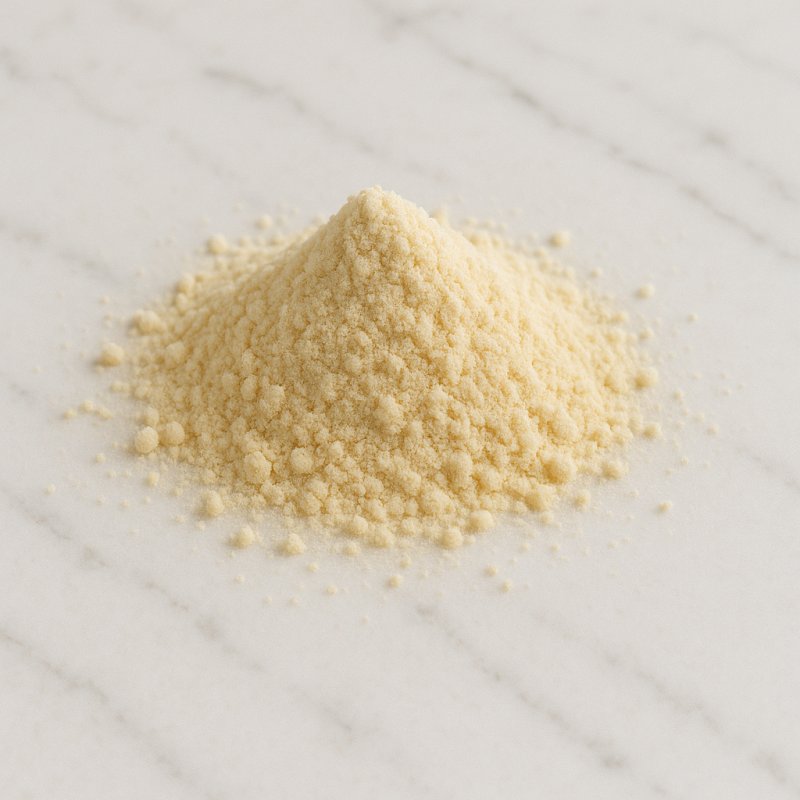
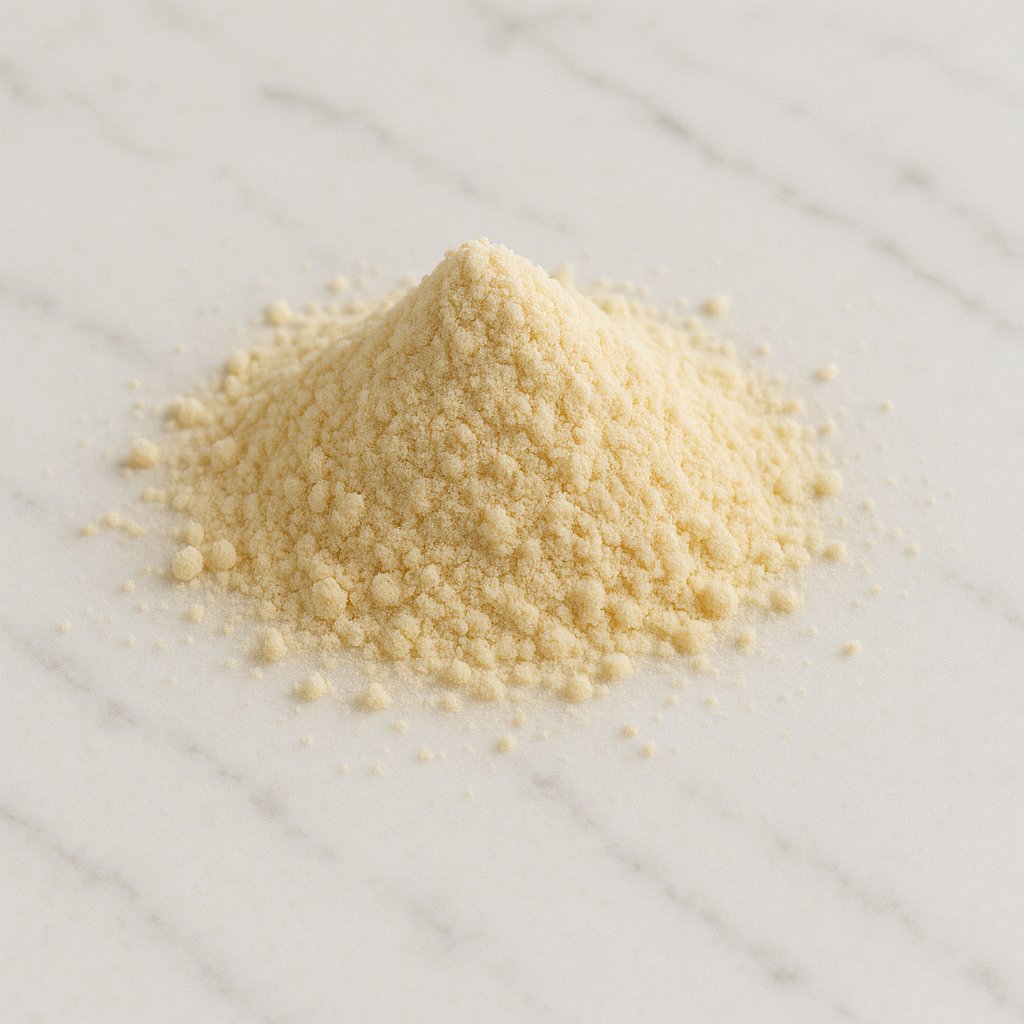
Amarettopudding is a sweet ready-made ingredient that can be found in many supermarkets. The name recalls amaretti cookies or Amaretto (a sweet almond liqueur), because the flavor often resembles almonds or marzipan. Unlike fresh ingredients like fruit, Amarettopudding is usually sold in packages – as a powder to mix, as a ready dessert cup or as creams in jars.

Where does it come from?
Amarettopudding is not a single exotic product from a specific country like bananas from tropical regions. Rather, the idea and the flavor were developed in Europe, where many desserts with almonds and Amaretto are popular. Recipe ideas come from countries such as Italy and Germany, where people enjoy creamy desserts. The ingredients for the pudding – milk, sugar, flavorings and sometimes almonds – often come from different regions: milk from local farms, sugar from sugar beets or sugar cane and flavorings from specialized manufacturers.

Growing regions of the raw materials
Although the pudding itself is industrially produced, the basic ingredients come from plants and animals that are cultivated or raised:

  • Milk: Produced in many countries, often in Europe, North America or Australia. Cows on farms provide the milk, which is then processed.
  • Sugar: Comes either from sugar beets, which grow in cooler regions like Europe, or from sugar cane, which is cultivated in warmer countries.
  • Almonds or almond flavor: Real almonds often come from sunny areas like Spain, Italy or California. Sometimes only an artificial almond flavor is used, which does not come from real almonds.
Available varieties and variants
Amarettopudding comes in several variants so there is something for every taste. Here are the main types explained simply:

  • Powder to mix: Like cocoa powder, which you cook with or stir into milk. It is long-lasting and practical when you want something quickly.
  • Ready pudding in a cup or jar: Already prepared and ready to eat. Good for a snack or as a dessert after a meal.
  • With real almonds: Some varieties contain small almond pieces or real almond flavor. This is for people who prefer a natural taste.
  • With flavorings (e.g. Amaretto flavor): This variant tastes like the Amaretto liqueur but often contains no alcohol. The flavor is produced artificially or obtained from natural extracts.
  • Vegan variants: For people who do not eat dairy, there are versions with plant milks (for example soy, oat or almond). These are equally creamy but do not use cow's milk.
  • Reduced-sugar or sugar-free varieties: For people who prefer less sweet foods, some manufacturers offer puddings with less sugar or with sugar substitutes.
When and how readily available is it?
Amarettopudding is usually available year-round. In supermarkets it is often found with other ready desserts or with baking ingredients. Households find it practical because it is quick to prepare and has a long shelf life. In specialty delicatessens or at the baker you can sometimes get fresh versions with higher-quality almonds or homemade Amaretto flavor.

In summary: Amarettopudding is a simple, sweet dessert classic that can be bought in many forms – as a powder, a ready cup, with real almonds, as a vegan or low-sugar variant. The raw materials come from different growing regions, and the product is available year-round in supermarkets, so almost anyone can try it.
Details & nutrition

Property Value
Unit g
Calories per 100 130
Protein per 100 3.0
Carbohydrates per 100 18.0
Sugar per 100 14.0
Fat per 100 4.5
Saturated fat per 100 2.8
Monounsaturated fat 1.2
Polyunsaturated fat 0.5
Fiber per 100 0.2
Vitamin C (mg) per 100 0
Vitamin D (IU) per 100 40
Calcium (mg) per 100 110
Iron (mg) per 100 0.1
Nutri-Score D
CO₂ footprint 1.4
Origin Europe
Gluten-free No
Lactose-free No
Nut-free No
Vegan No
Note Alcohol-containing dessert pudding with Amaretto or Amarettini flavor; nutritional values may vary depending on the recipe and the milk's fat content.

Technical & scientific information

Amarettopudding denotes a sweet, creamy preparation with the characteristic bitter almond and marzipan aroma produced by flavors from Amaretto or by almonds and apricot kernels. In many recipes Amarettopudding is either a convenience product in powder form for preparation with milk or a freshly made dish from basic ingredients such as milk, sugar, stabilizers, thickeners and almond-like flavoring agents. Typical is a velvety texture with a pronounced, slightly bitter-sweet taste that distinguishes the pudding from neutral vanilla or chocolate puddings.

Composition and ingredients
The fundamental components of an Amarettopudding are water and milk components (casein, whey protein, lactose), vegetable or animal fats and sugars (sucrose, glucose syrups). Flavor agents that deliver the specific Amaretto taste can be natural almond aromas, water-soluble bitter almond extracts or synthetic flavor compounds such as benzaldehyde (the characteristic almond aldehyde). In convenience products additives frequently found include:

  • Thickeners (e.g. starch, modified starches, gelatin, pectin): to achieve the desired gel structure and texture.
  • Stabilizers (e.g. carrageenan, locust bean gum): to prevent separation and stabilize the emulsion.
  • Emulsifiers (e.g. lecithins): to improve fat dispersion and mouthfeel.
  • Preservatives and antioxidants in some products, to increase shelf life and freshness.
Nutritional profile
The nutritional profile varies greatly by formulation, but typical values are about 100–150 kcal per 100 g for milk-based puddings with medium fat content. The values can be roughly characterized as follows:

  • Water: high proportion, typically 70–85 %.
  • Carbohydrates: mainly sugars (lactose and added sucrose), often 10–20 g/100 g.
  • Fat: depending on the product 1–8 g/100 g; cream variants are at the upper end.
  • Protein: milk proteins 2–4 g/100 g.
Manufacturing and processing techniques
The industrial production of Amarettopudding follows standardized processes that ensure quality, texture and shelf life. Key steps are homogenizing the milk fat phase, incorporating the starch or gelling agents in suspension, heating to gelatinize the starch and denature proteins, and pasteurizing. Afterwards the flavors are mixed in at controlled temperatures, the product is filled into containers and, if necessary, cooled to form the gel. For powdered convenience products the dry ingredients are carefully blended and sometimes spray-dried so that the end consumer only needs to mix the powder with hot milk.

Chemical and physical aspects
The texture of the pudding is based on physicochemical processes such as starch gelatinization (swelling and gel formation), protein aggregation and the formation of stable emulsions. The flavor components include volatile aroma compounds (e.g. benzaldehyde) and non-volatile substances that influence sweetness and mouthfeel. The interaction of sugar and proteins also affects viscosity and stability; high sugar content can change the water-binding of the starch and thus modulate the firmness of the gel.

Health aspects
From a nutritional perspective Amarettopudding is an energy-dense, sugar- and potentially fat-rich sweet best enjoyed occasionally. People with lactose intolerance should choose lactose-free variants or use plant-based milk alternatives. Those with allergies to almonds or stone-fruit kernels should avoid products containing real bitter almond or apricot kernel ingredients, as these may contain allergens or amygdalin-containing compounds. Amygdalin is a cyanogenic glycoside that can release small amounts of hydrogen cyanide upon enzymatic breakdown; in commercial Amarettopudding the levels are usually regulated and considered safe, but caution is advised when using large amounts of natural apricot kernel extracts.

Amarettopudding combines culinary tradition with technical food processing. Its sensory properties rely on deliberately used flavors, texture stabilizers and controlled thermal treatment. Different formulations allow options for calorie reduction, lactose-free variants or the use of natural instead of synthetic aromas, while the use of apricot kernels and bitter almond preparations should always consider potential health implications and labeling regulations.

Wiki entry for: amaretto pudding
Active now: 6 visitors of which 2 logged-in members in the last 5 minutes