Menu & categories

Almond pudding

Creamy almond-based pudding with a delicate nutty aroma

Wiki about almond pudding Nutri-Score C Vegan Yes Gluten-free Yes Lactose-free Yes Nut-free No
NUTRITION / 100 g
110 kcal 2.5 g Protein 15 g Kohlenhydrate 4 g Fett

Introduction

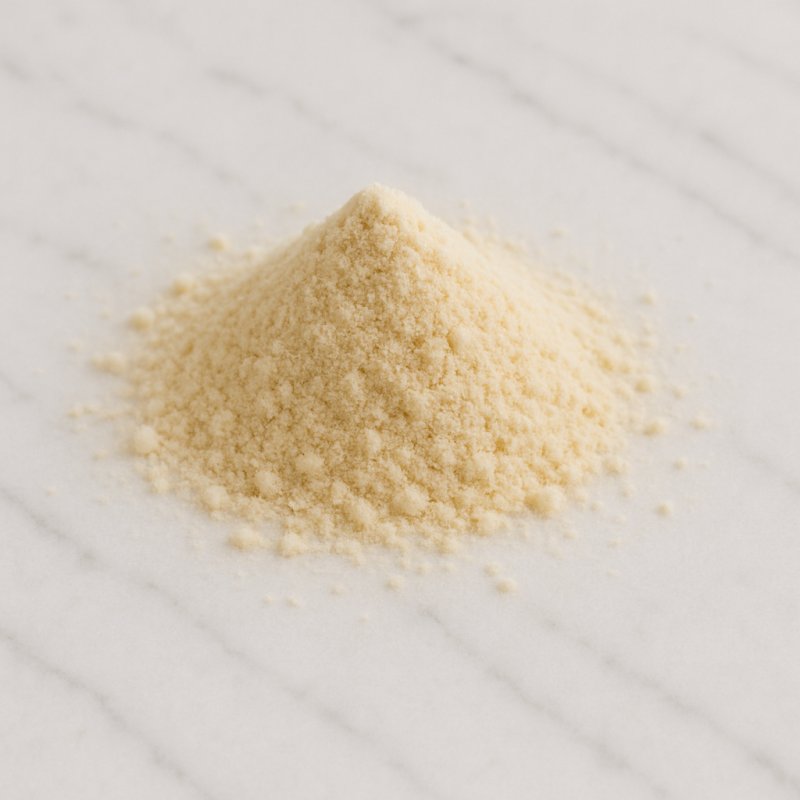
Bowl of creamy almond pudding
I remember exactly the first spoonful of almond pudding I tried in a small sunlit café: velvety, slightly nutty and surprisingly delicate, as if someone had poured the warmth of a summer afternoon into a dessert. Since that moment almond pudding has been for me more than an ingredient – it is a small culinary memory tied to the smell of toasted almonds and the sound of laughter at the table. A colleague once jokingly called it “liquid marzipan,” and the comparison fits surprisingly well.

Almond pudding is essentially made from a few simple components that together produce a refined texture and a deep flavor. Typically you need milk or almond milk, sugar, starch or egg yolks for thickening, and finely ground almonds or almond butter for the nutty note. Preparation is straightforward, but it is precisely in the art of seasoning that the difference between good and great is found.

I particularly like the versatility of this ingredient. As a base for desserts almond pudding works excellently, but it is equally suitable as a filling for cakes, an accompaniment to fresh berries or even as a gentle component in savory dishes when experimenting with herbs and spices. Once I served it with lemony mascarpone and caramelized figs — the surprisingly harmonious interplay even persuaded skeptics to take a spoonful.

  • Taste: mild, nutty, slightly sweet
  • Texture: creamy to velvety, depending on the ratio of liquid to almonds
  • Use: desserts, creams, cake fillings, creative savory combinations
When I tell others about almond pudding I always emphasize the possibility to personalize it: vanilla or orange blossom water for elegance, a splash of amaretto for warmth or a pinch of sea salt for contrast. A friend once sprinkled toasted almond flakes on top and called it “crunchy happiness” — since then I’ve called it my secret weapon against dessert boredom. Almond pudding, to me, is a small luxury that delivers big effect without much effort, and every new combination invites experimentation.

Availability & types

Availability and types

What is almond pudding and where does it come from?
Almond pudding is a sweet, creamy dish made from almonds or almond milk. Almonds originally come from the Middle East and parts of Asia. Over centuries almond trees have been cultivated in more and more regions of the world. Today almonds are a bit like small, hard nuts with a soft white kernel – these kernels are processed into almond pudding.

Growing regions – where do almonds grow?
Almonds grow on trees that prefer warm, dry summers. The main growing regions are:

  • California (USA): A large portion of the world’s almonds come from here. The climate is warm and sunny – ideal for almond trees.
  • Mediterranean countries: Spain, Italy and Turkey also grow many almonds. These countries have a climate similar to California.
  • Australia and Chile: Almonds are also cultivated in these countries, especially in regions with dry summer weather.
You can imagine it like this: almond trees prefer climates more like a warm holiday place than a wet, cold country. That is why they grow where there is lots of sun and not too much rain.

Available varieties and variants of almond pudding
Almond pudding is not always the same. There are different ways it is made and different appearances. Here are the main variants, explained simply:

  • Traditional almond pudding: This is made from ground almonds, sugar and milk or cream. It is often thick and nutty in flavor. It can be flavored with cinnamon or vanilla.
  • Almond milk pudding: Instead of cow's milk almond milk is used. Almond milk is a liquid made from water and almonds. The pudding is lighter and sometimes suitable for people who cannot consume cow's milk.
  • Vegan almond pudding: In this variant no animal products are used. Instead of gelatin or cow's milk plant-based binders (for example cornstarch) and almond milk are used. It tastes similar but is suitable for vegans.
  • Gel or pudding mixes with almond flavor: In supermarkets you can also find ready mixes or puddings with almond flavor. They are convenient because you only need to add water or milk.
  • With pieces or smooth: Some almond puddings are very fine and smooth, others contain small almond pieces or chopped nuts for a crunchy bite.
Where can you get almond pudding?
You can find almond pudding in several places:

  • In the supermarket: Ready jars or pudding powders with almond flavor are often found in the dessert or plant milk section.
  • In health food stores: There are often vegan or special varieties made with organic almonds.
  • In bakeries and cafés: Some cafés offer homemade almond puddings or almond-based desserts.
  • Make it yourself: At home you can easily cook almond pudding from almonds, milk (or almond milk) and sugar. That way you can decide how sweet or thick it should be.
In summary: almond pudding is a versatile sweet whose primary ingredient is the almond kernel, which grows mainly in warm, dry regions. There are many kinds – from traditional to vegan – and you can buy it ready-made or make it yourself, depending on what you prefer.
Details & nutrition

Property Value
Unit g
Calories per 100 110
Protein per 100 2.5
Carbohydrates per 100 15
Sugar per 100 10
Fat per 100 4
Saturated fat per 100 0.4
Monounsaturated fat 2.4
Polyunsaturated fat 0.9
Fiber per 100 0.5
Vitamin C (mg) per 100 0
Vitamin D (IU) per 100 0
Calcium (mg) per 100 60
Iron (mg) per 100 0.7
Nutri-Score C
CO₂ footprint 0.3
Origin Varies by manufacturer; typically EU
Gluten-free Yes
Lactose-free Yes
Nut-free No
Vegan Yes
Note Nutritional values for a typical ready-to-drink almond pudding made with almond milk and sugar; exact values may vary by brand and recipe.

Technical & scientific information

Almond pudding refers both to a ready product and to a classical preparation based on almonds, liquid and binding agents. In industry and home kitchens the term often denotes a sweet, pudding-like mass produced by gelling, thickening or emulsifying almond components. Typical starting materials are almond milk (water-based extract from ground almonds), almond flour or ground almonds, combined with starch derivatives, gelling agents, dairy products or vegetable fats. The texture arises from an interplay of physical processes such as swelling, denaturation and network formation of macromolecules.

Chemical composition and constituents
Almonds supply mainly lipids, proteins and carbohydrates as well as secondary plant compounds and minerals. The lipids consist predominantly of monounsaturated fatty acids (mainly oleic acid) and to a lesser extent polyunsaturated fatty acids. Proteins contain essential amino acids but do not provide a complete amino acid profile compared with animal proteins. Carbohydrates are present partly as soluble and insoluble fiber. In addition, almonds contain vitamin E (α‑tocopherol), B vitamins, magnesium, calcium, potassium and phytic acid, which can affect mineral availability. In almond pudding these components are present in diluted form, depending on the proportion of almond-derived ingredients and other additions such as sugar, milk or thickeners.

Nutritional values
The nutritional composition of an almond pudding varies considerably with the recipe and serving size. Per 100 g of a commercial almond pudding there are typically 100–180 kcal. Fat contents range around 3–10 g, with fat mainly from plant-derived monounsaturated fatty acids. Proteins are about 2–5 g, while carbohydrates, including added sugars, can be between 10–20 g. Fiber content is lower than in whole almonds unless fiber-rich fractions have been added. Exact analysis is product-dependent; for homemade pudding the almond proportion, added sugar and the milk alternative used determine the balance.

Processing methods
Production is divided into several technical steps:

  • Extraction/production of the almond base: Grinding and hydrating almonds, centrifugal separation of solid particles and filtration to obtain almond milk.
  • Formulation: Combining the almond base with sweeteners, flavors and thickeners such as corn starch, modified starches, gelatin or agar.
  • Heating and pasteurization: Thermal treatment to stabilize, reduce microbial load and activate starch swelling; temperature profiles and hold times influence texture and viscosity.
  • Homogenization and emulsification: Fine dispersion of fat droplets and protein complexes to stabilize the structure and prevent phase separation.
  • Cooling and gel formation: Controlled cooling rates promote the network formation of gelling agents and result in the final firm to creamy consistency.
Sensorics and stability
The sensory properties of almond pudding depend on particle size, fat content, sugar content and temperature. Finely ground almonds and efficient homogenization yield a smooth texture, while coarser fractions lead to a grainier structure. Stabilizers such as gelatin or modified starches improve thermal resilience and prevent syneresis (liquid release). Oxidative stability of almond oils can be enhanced by antioxidants like vitamin E or by excluding oxygen during packaging.

Health aspects
Almond pudding can be nutritionally beneficial, as it delivers almonds in a more concentrated, easier-to-digest form. The content of monounsaturated fatty acids and vitamin E is favorable for cardiovascular parameters, provided sugar and saturated fat remain moderate. For individuals with nut allergies almond pudding is contraindicated, as it contains allergenic proteins that can trigger reactions at low amounts. Also, grinding and heating partially reduce antinutritional factors such as phytic acid, but very high almond consumption can still impair mineral availability. Diabetics should watch the sugar content, while vegans can choose a dairy-free variant by combining almond milk with plant-based gelling agents.

Summary
Almond pudding is a versatile almond-based product whose chemical composition is rich in plant fats, proteins and secondary nutrients. Technologically, extraction, emulsification, heating and gelling play central roles for texture and stability. Nutritional benefits arise mainly from the fatty acid profile and vitamin E content, while allergens and sugar content are important health considerations. The precise nutrient and ingredient balance always depends on the recipe and manufacturing process.

Wiki entry for: almond pudding
Active now: 14 visitors of which 2 logged-in members in the last 5 minutes