Availability and types
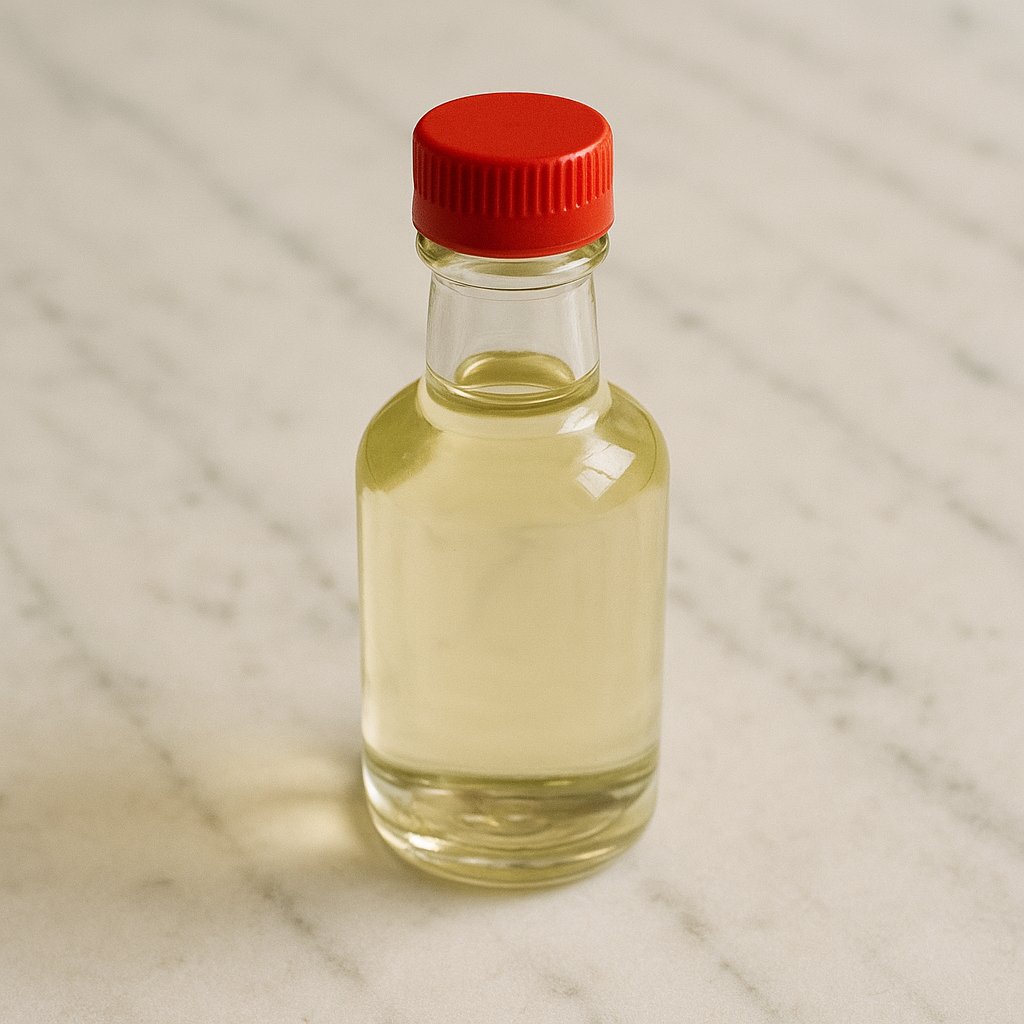
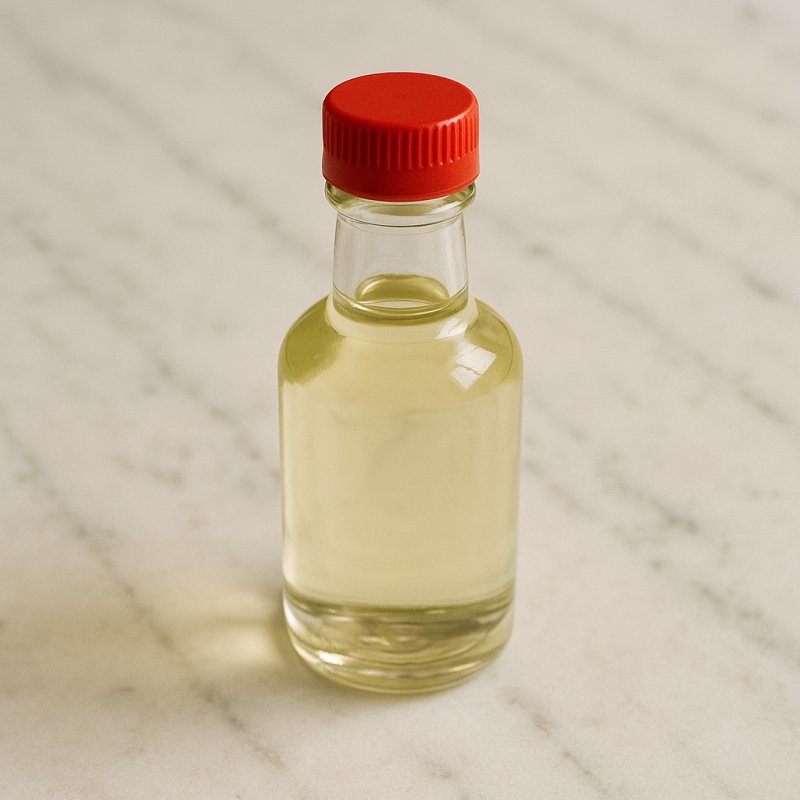
Almond flavour is a taste many people know from cookies, cakes and sweets. It is easy to find and available in many shops. You can buy it in supermarkets, well-stocked drugstores or in specialty baking shops. There are also many offers online, so you can conveniently order it to your home. Some packages are small and only enough for a few baking recipes, other bottles are larger and last a long time.
Where does almond flavour come from?
The typical aroma is reminiscent of real almonds, although it is not always made from real almonds. There are two main types: natural almond oil, which is obtained from almonds, and artificial flavours that are produced in a laboratory. Natural almond oil comes from almonds harvested from almond trees. Artificial flavours try to mimic the same taste, but often contain only some of the same flavour compounds.
The typical aroma is reminiscent of real almonds, although it is not always made from real almonds. There are two main types: natural almond oil, which is obtained from almonds, and artificial flavours that are produced in a laboratory. Natural almond oil comes from almonds harvested from almond trees. Artificial flavours try to mimic the same taste, but often contain only some of the same flavour compounds.
Growing regions for almond trees
Almond trees grow best in warm areas with winters that are not too cold. Important growing regions are:
Almond trees grow best in warm areas with winters that are not too cold. Important growing regions are:
- Mediterranean countries: Spain, Italy and Greece. These countries are famous for their almonds because the climate is warm and sunny.
- California: A large part of the world's almond harvest comes from California in the USA. There are many vast fields of almond trees there.
- Other regions: Turkey, Iran and some North African countries also grow almonds. Wherever it is warm and dry enough, almond trees thrive.
Available varieties and versions of almond flavour
Almond flavour comes in various forms. Here are the most common, simply explained:
Almond flavour comes in various forms. Here are the most common, simply explained:
- Natural almond oil: This is an oil obtained by pressing real almonds or by other extraction methods. It smells and tastes like real almonds. It is good when you want an authentic almond taste and no artificial additives.
- Bitter almond oil: This oil often comes from the kernels of other stone fruits such as apricots or peaches. It has a very strong, slightly bitter aroma that is used in small quantities. Because of its strong flavour, often just one drop is enough.
- Artificial almond flavour: This is produced in a laboratory and is often labeled simply as "flavour" in commerce. It imitates the almond taste and is usually cheaper than real oil. It is practical because it has a longer shelf life and is used in many different products.
- Liquid flavouring blends: These come in small bottles and are easy to dose. Bakers often use them because they know exactly how much they need.
- Food-grade oils: Some oils are made specifically for baking and cooking and can be added directly to doughs or creams.
Tips for choosing
When you buy almond flavour, pay attention to whether the packaging says "natural" or "artificial" and how strong the taste is. For delicate baked goods many bakers choose a natural oil or a mild flavour blend. For very intense flavours an artificial flavour is often enough because it is stronger. Whatever variant you choose: a few drops are often sufficient, because almond flavour is strong and a little goes a long way.
When you buy almond flavour, pay attention to whether the packaging says "natural" or "artificial" and how strong the taste is. For delicate baked goods many bakers choose a natural oil or a mild flavour blend. For very intense flavours an artificial flavour is often enough because it is stronger. Whatever variant you choose: a few drops are often sufficient, because almond flavour is strong and a little goes a long way.
This way you can easily find the right type: look where the product is sold, read the information on the package and try small quantities if necessary until you like the taste.