Availability and types
Zucchini are found almost everywhere today, but their story begins elsewhere. The ancestors of zucchini come from the Americas, where people long cultivated various pumpkin and squash species. The zucchini as we know it was developed later in Europe, especially in Italy – there the shape and flavor many of us know were established. You can imagine it like a traveler arriving in a new city and reinventing a favorite dish there.
Growing regions
Zucchini grow well where it is warm and sunny. That is why they are often cultivated in these regions:
- Mediterranean (e.g. Italy, Spain, France): lots of sun and warm summers – ideal for zucchini.
- Central Europe (e.g. Netherlands, Germany): often in greenhouses here, so they are available earlier in the year or for longer periods.
- North America (USA, Mexico): large cultivation areas, especially in warm regions like California.
- Other countries that produce a lot of vegetables also grow zucchini for the world market, so we often find them year-round.
Thanks to modern agriculture, greenhouses and imports from different countries, zucchini are now available in supermarkets almost all year. Fresh supply is especially large in summer when plants ripen in the field.
Available varieties and forms
There are many varieties of zucchini – some look almost identical, others are surprisingly different. Here are a few well-known types, simply explained:
There are many varieties of zucchini – some look almost identical, others are surprisingly different. Here are a few well-known types, simply explained:
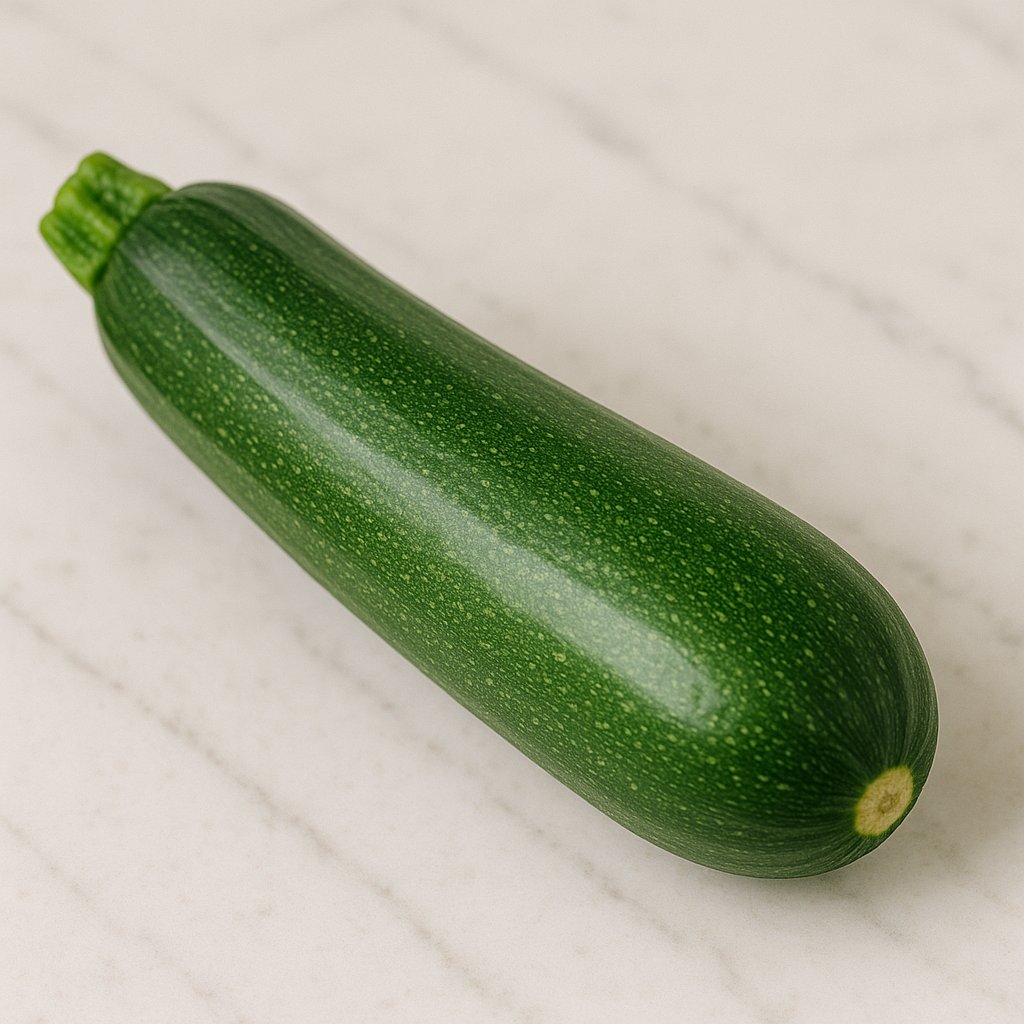
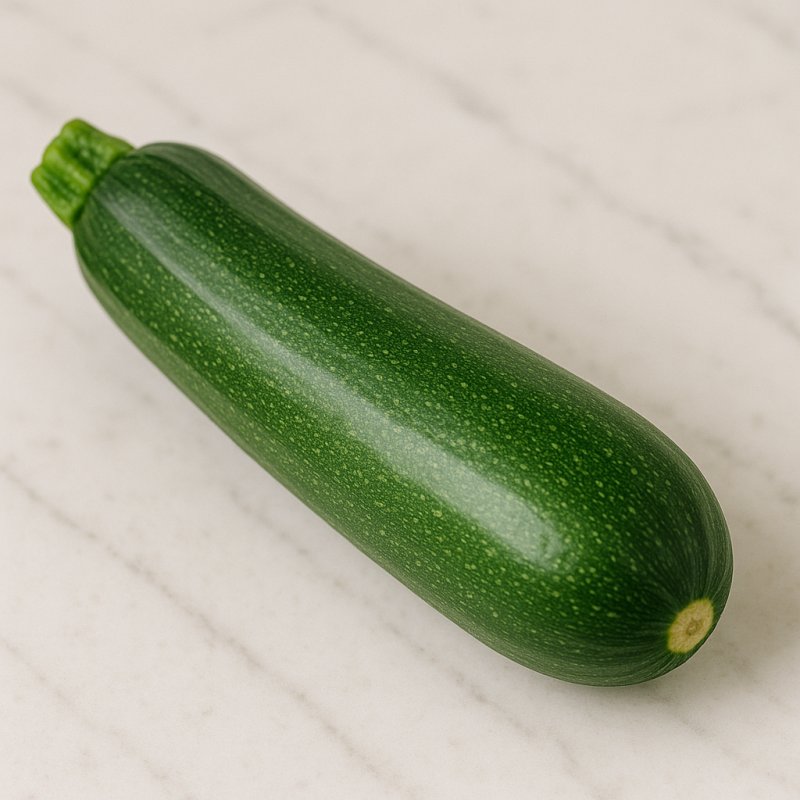
- Green zucchini: this is the classic variety with dark green skin. It is the most widespread.
- Yellow zucchini: bright yellow and a bit sweeter in taste. It looks attractive in salads or on the grill.
- Round zucchini: small and round like a ball – great for stuffing (you can cut them open, fill them and bake).
- Tromboncino: very long and slightly curved, sometimes lighter in color. It often stays tender even when it grows larger.
- Pattypan (Scallop): flat, disc-shaped type with a wavy edge, looks like a small UFO cookie and is good for frying.
- Baby zucchini: harvested very small, tender and mild – perfect for children or as a side dish.
There are also differences in cultivation methods: organic zucchini are grown without chemical pesticides, while conventional ones often use methods that increase yield. Some zucchini are grown outdoors, others in greenhouses. There are also processed forms such as frozen zucchini slices, shredded zucchini flakes or dried products.
A small tip: zucchini flowers (the plant's blossoms) are edible and are considered a delicacy in many cuisines. These many types and cultivation methods show how versatile and widely liked this plant is — whether at the summer market or on the shelf in winter.