Availability and types of yeast dough
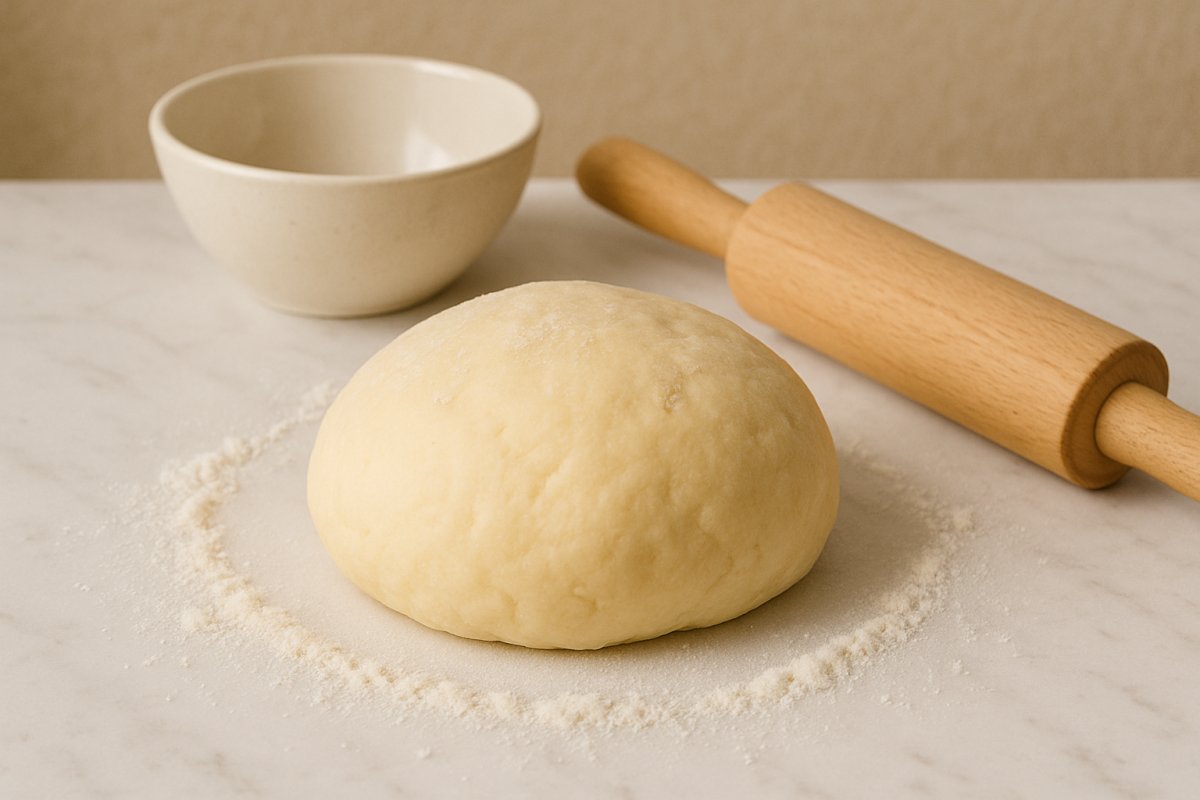
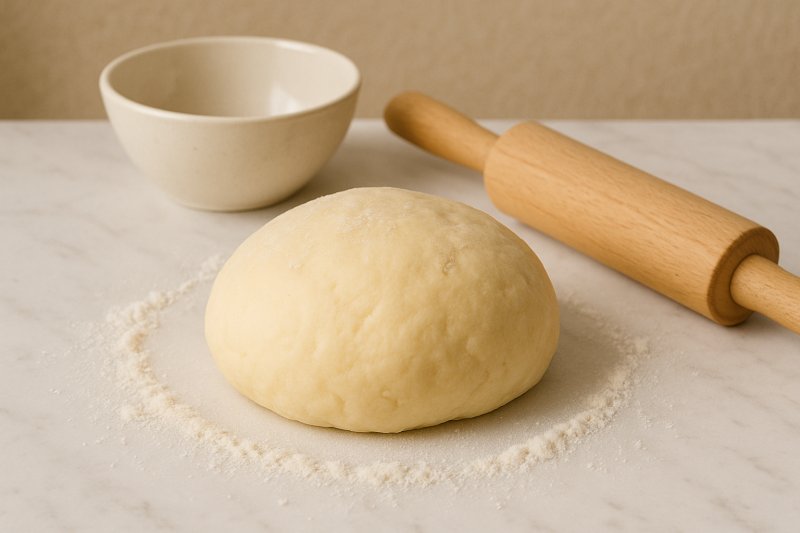
Yeast dough is one of the most popular dough types for baking. It usually consists of flour, water or milk, some salt and yeast. Yeasts are tiny living organisms you cannot see with the naked eye. They eat sugar in the dough and release gases – that makes the dough rise, almost like inflating a balloon. Yeast dough comes in many variations and is available almost everywhere: in supermarkets, at the bakery or you can make it yourself at home.
Origin and growing regions
Yeast dough itself does not have a specific "growing region" because it is made from ingredients that come from different areas. The most important ingredient is flour, usually from wheat or rye. Wheat grows mainly in Europe, North America, Russia and parts of Asia. Rye is common in cooler regions such as Central Europe. The yeast that makes the dough rise is produced industrially – this happens in factories in many countries such as Germany, France, the USA or China. Sourdough, a natural form of yeasts and bacteria, often develops locally in bakeries because it "grows" from flour and water.
How to get yeast dough
There are several ways to obtain yeast dough:
- Make it yourself: You mix flour, liquid, yeast and sometimes sugar or butter. It's economical and you can shape the dough exactly to your taste.
- Bakery: You can get fresh yeast dough or ready rolls at the bakery. There are often regional specialties there.
- Supermarket: Ready dough balls, rolled-out pizza dough or frozen yeast dough are offered. That's practical when you need something quick.
- Online & shipping: Special doughs or particular types of flour can also be ordered.
Available varieties and variants
Yeast dough can be very different – depending on which ingredients you add or how you treat it.
Yeast dough can be very different – depending on which ingredients you add or how you treat it.
- Basic types:
- Rich/enriched yeast dough: Contains butter, eggs and milk (e.g. brioche or sweet braids). It is soft and moist.
-
- Lean doughs: Consist only of flour, water, salt and yeast (e.g. pizza dough or farmhouse bread). They have a firmer bite.
- Yeast types: Fresh yeast (soft and kept in the fridge), dry yeast (longer shelf life) and instant yeast (added directly to the flour). There is also sourdough, a mixture of wild yeasts and lactic acid bacteria that gives bread a distinctive flavor.
- Flour types: White flour, wholemeal flour or blends – this affects color, flavor and texture.
- Regional variants: In Germany rolls and braided loaves are popular, in Italy pizza and pizza dough, in France brioche and in Eastern Europe there are filled yeast pastries. Each region makes its own version.
- Special options: Gluten-free yeast doughs (for people with gluten intolerance) or ready frozen and chilled doughs are available for special needs.
In summary: Yeast dough is easy to obtain and very versatile. Whether from the supermarket, the bakery or homemade – it exists in many forms, with different ingredients and for every taste. So almost everyone can find the right variant to bake bread, rolls, pizza or sweet treats.