Availability and types
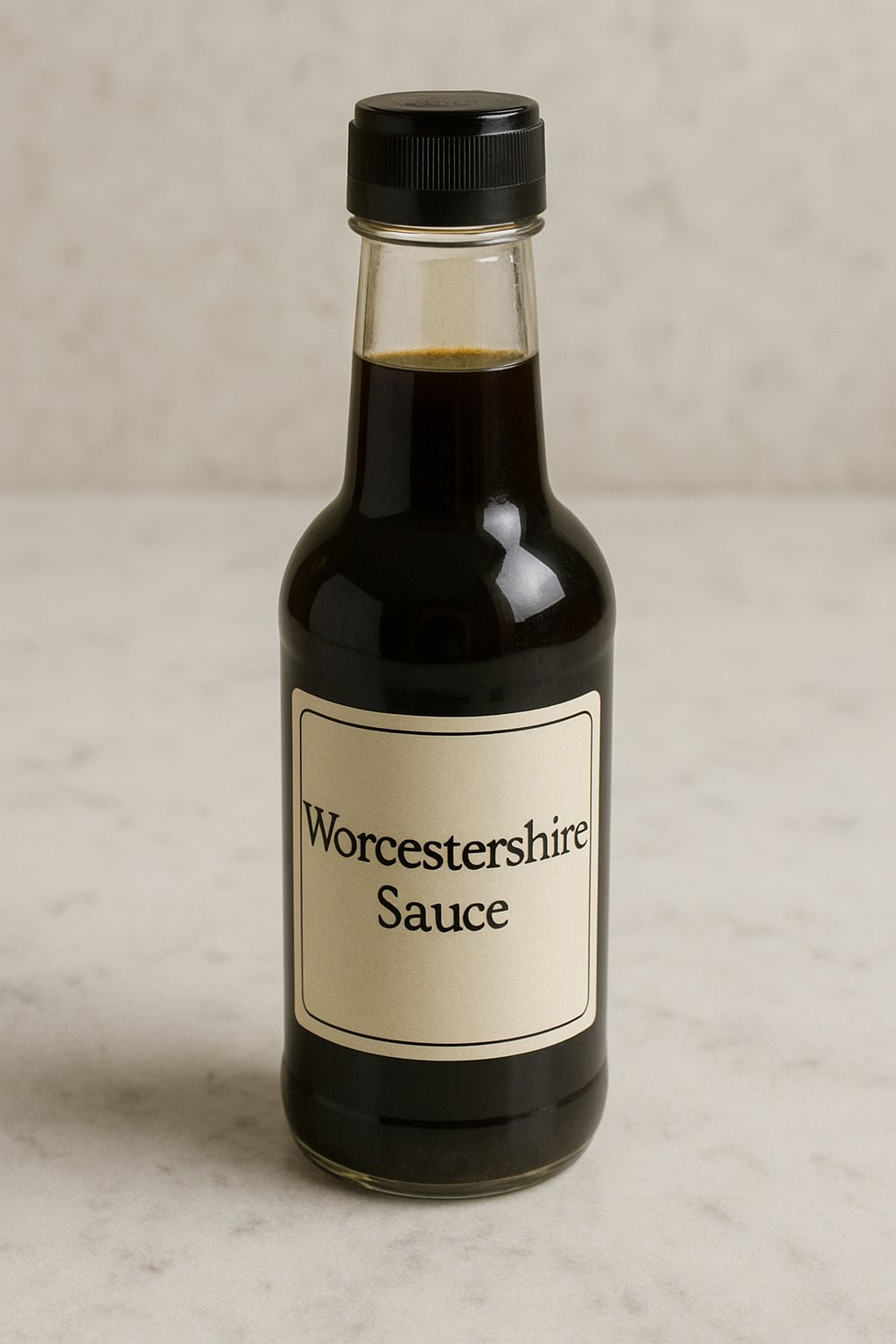
Worcestershire sauce is a dark, spicy liquid used in many kitchens as a flavour enhancer. It originally comes from the city of Worcester in England. There, in the 19th century, two men mixed various ingredients, including vinegar, sugar, spices and fish products, and thus discovered the seasoning known today. The name “Worcester” is often pronounced like “Wuster” or “Wustersauce” – this can be confusing at first, but it is perfectly normal.
Where does it come from and where is it produced?
Although the sauce originates from England, it is now produced in many places around the world. Large brands manufacture it in factories in the UK, the USA, India and other countries. Some producers use local ingredients, others stick closely to the original recipe. That means: opening the bottle in different countries can yield a sauce that tastes similar but with small differences in flavour and aroma.
Although the sauce originates from England, it is now produced in many places around the world. Large brands manufacture it in factories in the UK, the USA, India and other countries. Some producers use local ingredients, others stick closely to the original recipe. That means: opening the bottle in different countries can yield a sauce that tastes similar but with small differences in flavour and aroma.
Which ingredients and growing regions are important?
Worcestershire sauce is made from many different ingredients. Some of these are grown in certain regions:
Worcestershire sauce is made from many different ingredients. Some of these are grown in certain regions:
- Vinegar: Often made from grain or wine – vinegar is available almost everywhere.
- Sugar or molasses: Sugarcane is mainly grown in warm countries such as Brazil or India; molasses is a by-product of sugar production.
- Spices: Pepper, cloves, cinnamon or nutmeg can come from tropical and subtropical regions. These spices are cultivated in many countries, for example in India, Indonesia or Sri Lanka.
- Fish products: Some recipes use anchovies (small fish similar to sardines). These often come from sea areas such as the Mediterranean or the Atlantic.
- Aromatics like onions and garlic: These are grown worldwide, often in Europe, Asia or North America.
What varieties and versions exist?
Worcestershire sauce is not always the same. There are different variants so that everyone can find something to suit their taste or dietary habits:
Worcestershire sauce is not always the same. There are different variants so that everyone can find something to suit their taste or dietary habits:
- Original / Classic: The traditional version with vinegar, spices and often anchovies. It has a strong, salty and slightly sweet flavour.
- Vegetarian / Vegan: These versions replace fish components with plant-based flavours or fermented ingredients so that people who do not eat fish can also use the sauce.
- Reduced salt: For people who need to eat less salt, there are variants with lower sodium. They taste similar but are somewhat milder.
- Gluten-free variants: Some Worcestershire sauces contain malt or other cereal products. Gluten-free varieties use other ingredients so that people with coeliac disease can consume them.
- Spicier or flavoured variants: There are versions with added heat (e.g. chilli) or with special smoky flavouring, intended especially for grills or specific recipes.
How easy is it to find in shops?
Worcestershire sauce is very widespread and available in most supermarkets, delicatessens and online shops. Even small stores or your trusted supplier often carry a bottle. If you are looking for a specific variant, such as vegan or gluten-free, check the label: the ingredients and indications like “vegan” or “gluten-free” will be listed there. That way you can be sure the sauce suits you.
Worcestershire sauce is very widespread and available in most supermarkets, delicatessens and online shops. Even small stores or your trusted supplier often carry a bottle. If you are looking for a specific variant, such as vegan or gluten-free, check the label: the ingredients and indications like “vegan” or “gluten-free” will be listed there. That way you can be sure the sauce suits you.
In summary: Worcestershire sauce originally comes from England but is produced worldwide. The ingredients come from various growing regions, and there are many variants – from the classic recipe to vegan, low-salt or spicy versions. As a result, the sauce is easy to find and suitable for many tastes.