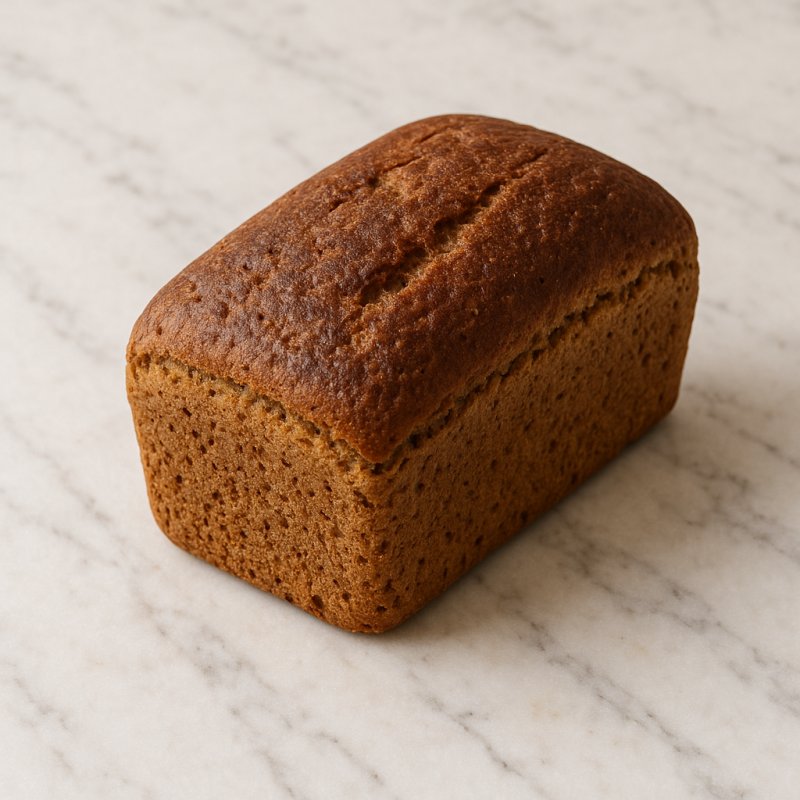
Menu & categories

Whole wheat bread

High-fiber bread made from whole wheat

Wiki about whole wheat bread Nutri-Score B Vegan Yes Gluten-free No Lactose-free Yes Nut-free Yes
NUTRITION / 100 g
230 kcal 9 g Protein 41 g Kohlenhydrate 3 g Fett

Introduction

Slices of whole wheat bread on a wooden board
I still remember exactly the smell of freshly sliced whole wheat bread wafting through the kitchen of my first apartment on a rainy afternoon. A colleague had brought a small recipe booklet and claimed that a good whole wheat bread is like a good novel: layered, a little rough, but with a surprising gentleness on the finish. I had to agree. Since then this bread has been for me more than just a side; it is a foundation, comfort and sometimes even an adventure on my plate.

Whole wheat bread to me means using the entire grain — bran, germ and flour — which gives it a dense, nutty texture and a wealth of flavors. I especially like the slight sweetness that develops when the crust is toasted, and how the crumb still retains moisture that unfolds wonderfully in combination with strong cheese or a sweet fruit spread. A good bite brings a small explosion of flavor that often makes me chew until all the flavors have been worked through.

For me whole wheat bread belongs in every kitchen because it is versatile and consistently reliable. It is excellent for:

  • Savory toppings like avocado, hummus or hearty ham.
  • Sweet pairings with honey, nut butter or fruit compote.
  • Soups and stews as a filling side to soak up liquids.
I have often observed how a simple slice of this bread instantly elevates a meal. Once I served it at a spontaneous dinner and saw a reserved friend suddenly brighten after trying it with a little olive oil. Such small moments remind me that food is not only nourishment but also culture, memory and sociability.

In conclusion: whole wheat bread is down-to-earth, healthy and surprisingly adaptable. It invites experimentation, rewards patience in baking and gives every dish a charming, honest depth. So when I choose a bread, I often choose this one — because it reminds me of home and at the same time is open to new things.

Availability & types

Availability and types of whole wheat bread

Whole wheat bread is a bread variety in which the entire wheat grain is used. This makes it particularly nutritious and robust in flavor. But where does this bread actually come from and what types are there? Here you can learn simply where whole wheat bread comes from, where the wheat grows and which variants you can find in the store or at the bakery.

Origin and cultivation
Whole wheat bread begins in the field: wheat is a plant that is grown in many parts of the world. In Europe, North America, Australia and parts of Asia there are large areas of wheat fields. In Germany, for example, many wheat varieties grow in regions with fertile soil and sufficient rainfall. Farmers plant, tend and harvest the wheat, then the grain is milled to make the flour for the bread.

A simple picture: imagine wheat is like an apple on the tree. If you eat only the flesh you have something sweet, but if you also eat the skin (like bran in wheat) you get more fiber and nutrients. In whole grain the "skin" is not discarded but used.

Availability
Whole wheat bread is easy to find in many countries. You can buy it at the bakery, in the supermarket or at farmers' markets. Supermarkets often offer whole loaves and pre-sliced packages that you can use immediately. At the bakery you often get freshly baked bread that is still warm. In addition, some health-food stores offer whole wheat bread made from organically grown wheat, meaning farmers use fewer chemicals and pay more attention to nature.

Because the bread is made from the whole grain, it stays fresher longer than very fine white bread and has a firmer crumb. Some people buy it because it keeps them full longer and seems healthier.

Available types and variants
There are many different kinds of whole wheat bread. Here are some you often find:

  • Simple whole wheat bread: A bread made only from whole wheat flour, usually with a slightly nutty flavor.
  • Seed bread: This bread additionally contains sunflower seeds, flaxseed, pumpkin seeds or oats. The seeds add crunch and extra nutrients.
  • Mixed bread: Here whole wheat is mixed with rye or other grains. This yields a different, often heartier flavor.
  • Whole wheat sandwich bread: Soft, sliced loaves that are good for packed lunches.
  • Pre-sliced whole wheat bread: Conveniently packaged, ideal for toast or quick sandwiches.
  • Organic whole wheat bread: Made from wheat grown organically, without artificial additives.
  • Regional specialties: Some regions have their own recipes, for example with special spices or sourdough.
Many bakeries also offer the option to bake the bread to your specifications — for example thinner, thicker, with more seeds or with less salt. If you like something particular, you can often order it.

Why the selection matters
The different types of whole wheat bread allow you to find the bread that best suits your taste. Some like it hearty and full of seeds, others prefer a soft, simple whole wheat bread. In any case it's good that there are so many variants, so everyone can find something suitable.
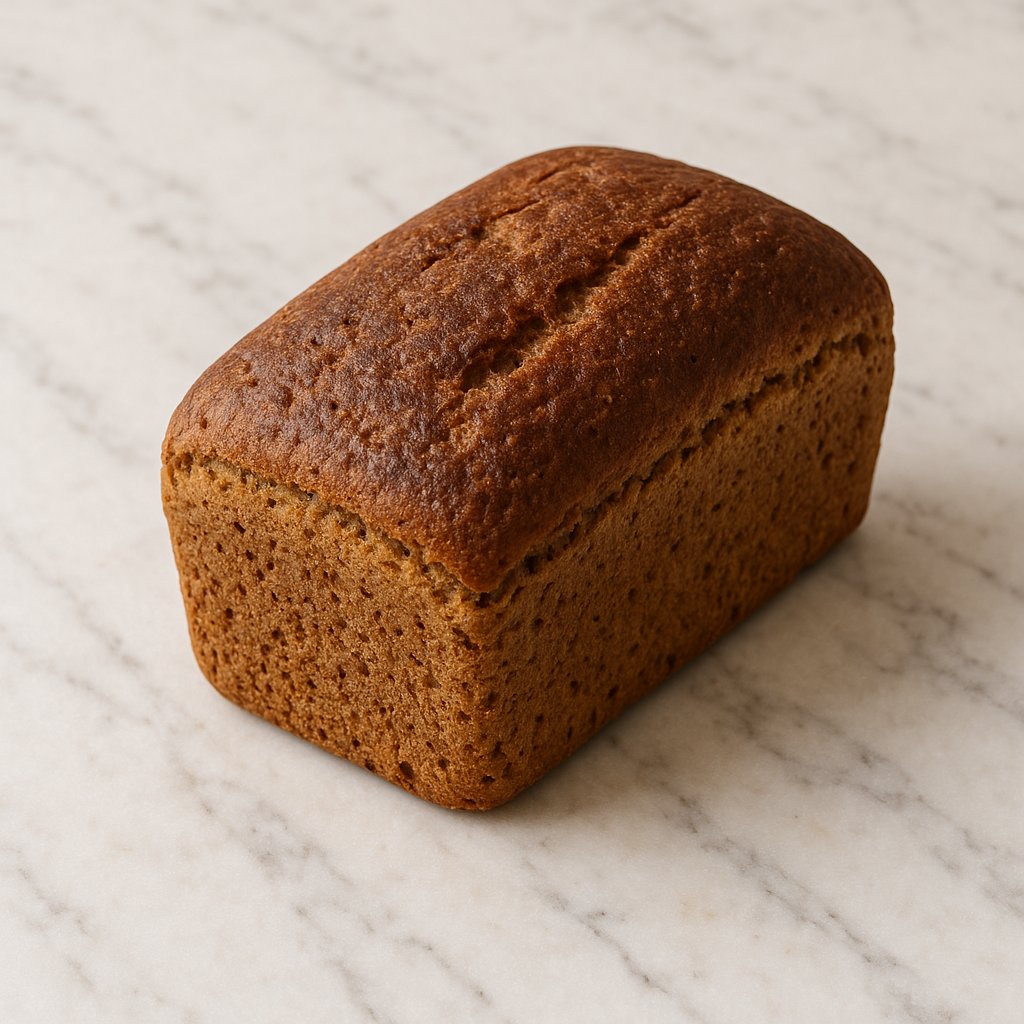
Details & nutrition

Property Value
Unit g
Average weight per piece 35
Calories per 100 230
Protein per 100 9
Carbohydrates per 100 41
Sugar per 100 3
Fat per 100 3
Saturated fat per 100 0.5
Monounsaturated fat 0.7
Polyunsaturated fat 1.2
Fiber per 100 7
Vitamin C (mg) per 100 0
Vitamin D (IU) per 100 0
Calcium (mg) per 100 60
Iron (mg) per 100 3
Nutri-Score B
CO₂ footprint 0.6
Origin Europe
Gluten-free No
Lactose-free Yes
Nut-free Yes
Vegan Yes
Note Nutritional values may vary slightly depending on the recipe, baking method and water content.

Technical & scientific information

Whole wheat bread is a bread whose baking base is made from the whole wheat grain, meaning the bran, germ and endosperm. Unlike white bread, which is made from refined wheat flour, whole wheat bread contains all components of the grain and thus provides a higher density of macro- and micronutrients as well as fiber. Thermal and physical processing steps during baking influence chemical reactions, structure and nutrient availability in the final product.

Chemical composition and nutrient profile
Whole wheat bread is characterized by a complex nutrient spectrum. Typical amounts per 100 g are approximately 240–260 kcal, 8–10 g protein, 2–6 g fat and 40–50 g carbohydrates, a significant portion of which consists of resistant starch and long-chain polysaccharides. Fiber content is usually 6–8 g per 100 g, depending on milling degree and recipe. Minerals such as iron, magnesium, zinc and potassium as well as B vitamins (particularly thiamine, niacin, folate) are present in higher concentrations than in refined wheat flour. The germ also provides lipophilic components like vitamin E and essential fatty acids in small amounts.

Processing methods
Production begins with controlled cleaning and milling of the whole wheat grain into wholemeal flour. Milling techniques (stone vs. roller mills) affect particle size distribution and heat generation, which in turn change enzyme activity and workability. In dough preparation, water absorption, gluten network formation and enzymatic processes (especially amylases) play roles in volume and crumb structure. Longer dough resting and sourdough fermentation promote enzymatic breakdown processes, increase mineral bioavailability through reduction of phytic acid and contribute to flavor development. Baking processes lead to Maillard reactions on the crust and starch gelatinization inside; both affect texture, color and digestibility.

Physiological and health aspects
Regular consumption of whole grain wheat products is associated in epidemiological studies with a lower risk of cardiometabolic disease, type 2 diabetes and certain cancers. This is primarily attributed to the high fiber content, the slower release of carbohydrates (lower glycemic index) and accompanying micronutrients. Fiber promotes intestinal motility, supports a favorable gut microbiota and can reduce the absorption of cholesterol and bile acids. However whole grain products also contain phytic acid, a chelator that can partly inhibit absorption of zinc and iron; fermentation and longer dough rest times reduce this effect.

Sensory and technological challenges
Whole wheat bread differs from white bread in crumb structure, moisture retention and flavor. Higher bran content increases water binding and often leads to a denser crumb and stronger aroma. Technologically, wholemeal doughs place higher demands on gluten development and yield efficiency because bran particles mechanically disrupt the gluten network. To improve volume and texture, both artisanal and industrial production use longer autolyse times, sourdough or increased hydration.

Safety and quality indicators
Quality parameters include moisture content, ash content (as an indicator of bran proportion), flour particle size and microbiological safety. Sensory evaluation considers crust, crumb, acidity (for sourdough) and storage stability. Products labeled as whole grain should contain the full grain share; legal definitions vary by country.

Overall, whole wheat bread represents a more nutrient-rich alternative to refined baked goods, with positive effects on satiety, bowel function and long-term health. Nutritional benefits are further enhanced by appropriate processing — particularly fermentative dough handling — while technological adjustments optimize sensory acceptance and baking properties.

Wiki entry for: whole wheat bread
Active now: 18 visitors of which 2 logged-in members in the last 5 minutes