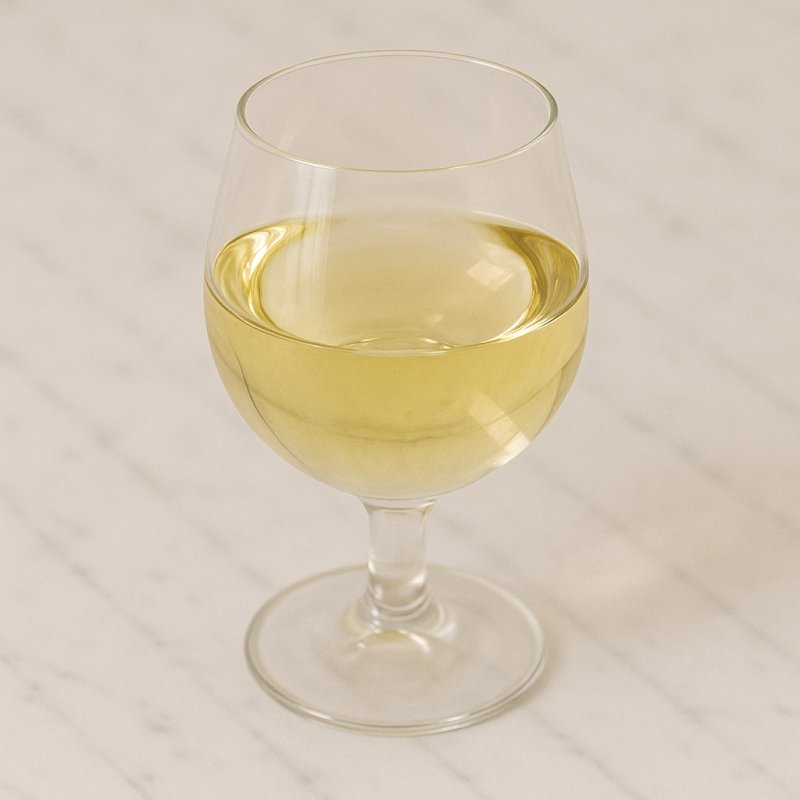
Availability and types of white wine describe where it comes from, which varieties exist and how you can buy it. I explain it as simply as possible so a 12‑year‑old can understand.
Origin and growing regions
White wine comes from grapes that grow on vines. These vines are cultivated in many parts of the world. Important regions include:
White wine comes from grapes that grow on vines. These vines are cultivated in many parts of the world. Important regions include:
- Europe: France (e.g. Burgundy for Chardonnay, Loire for Sauvignon Blanc), Germany (e.g. Mosel, Rheingau for Riesling), Italy (e.g. Veneto for Pinot Grigio), Spain and Austria.
- New Zealand: famous for very fresh Sauvignon Blanc wines.
- USA (California), Australia, Chile, South Africa: These countries produce a lot of white wine and often very different flavor profiles.
You can imagine it like this: vineyards are like vegetable gardens, only grapes grow there instead of tomatoes. Climate, soil and sun influence how the grapes taste. That's why the same grape often tastes different in different countries.
Available grape varieties
There are many grape varieties, but some of the best‑known white wine varieties are:
There are many grape varieties, but some of the best‑known white wine varieties are:
- Riesling: Often fruity and can range from very dry to sweet.
- Chardonnay: Versatile; sometimes buttery and creamy, sometimes fresh and fruity.
- Sauvignon Blanc: Usually very fresh, with aromas like green apple or grass.
- Pinot Grigio / Pinot Gris: Light and uncomplicated, popular with summer meals.
- Gewürztraminer, Muscat: Intense and often with floral or spicy notes.
- Grüner Veltliner: Mainly in Austria, often peppery and fresh.
Types and variants
White wine comes in different forms, similar to how lemonade or juice can differ:
White wine comes in different forms, similar to how lemonade or juice can differ:
- Dry: Almost no residual sugar – not sweet, often better with savory food.
- Off‑dry / medium sweet: A bit sweeter, pleasant for many people.
- Sweet: Very sugary; often served as a dessert wine.
- Sparkling: White wine with bubbles, like Champagne or sparkling wine.
- Sweet wines & specialties: These include ice wine (from frozen grapes) or fortified wines (slightly fortified, e.g. Sherry). These are often very aromatic.
- Organic / natural wine: Made with less chemistry or more natural handling. Sometimes it tastes somewhat different from conventional wine.
Where and how to get white wine?
You can find white wine in supermarkets, at specialist retailers (wine shops), online or in restaurants. It comes in bottles, small cans or cartons (bag‑in‑box). The label often states the grape variety, the country of origin, the vintage and whether it is dry or sweet. A simple tip: if you're unsure, ask the seller or try a cheaper bottle – that's how you learn which styles you like.
You can find white wine in supermarkets, at specialist retailers (wine shops), online or in restaurants. It comes in bottles, small cans or cartons (bag‑in‑box). The label often states the grape variety, the country of origin, the vintage and whether it is dry or sweet. A simple tip: if you're unsure, ask the seller or try a cheaper bottle – that's how you learn which styles you like.
Overall, white wine is very versatile: it grows in many places, comes in many flavor profiles and is easy to find. Whether fresh and zesty for a summer evening or sweet and slow as a dessert companion – there is a suitable variant for almost every taste.
