Menu & categories

Wheat

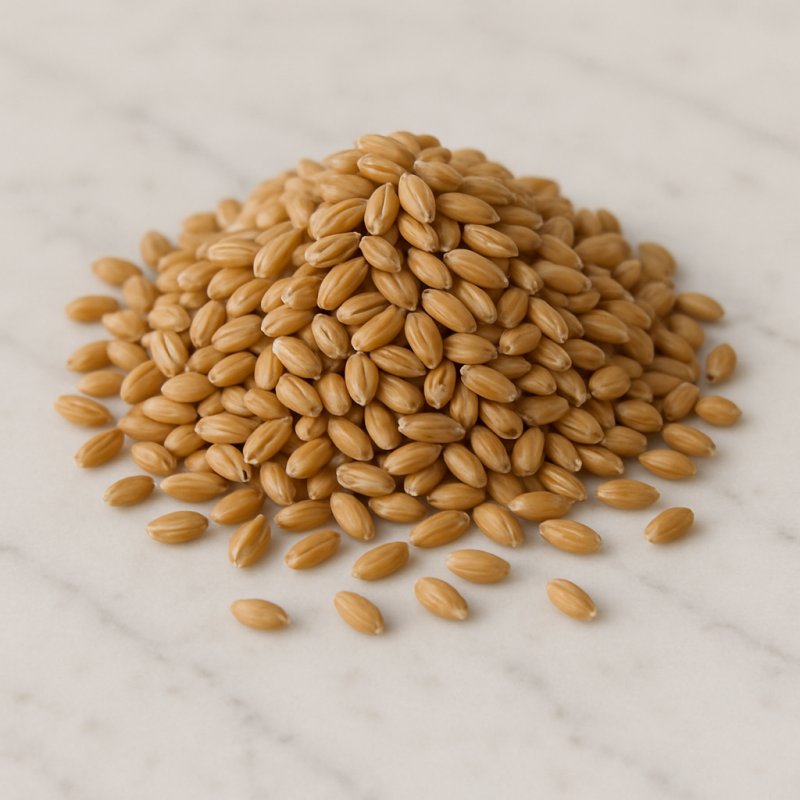
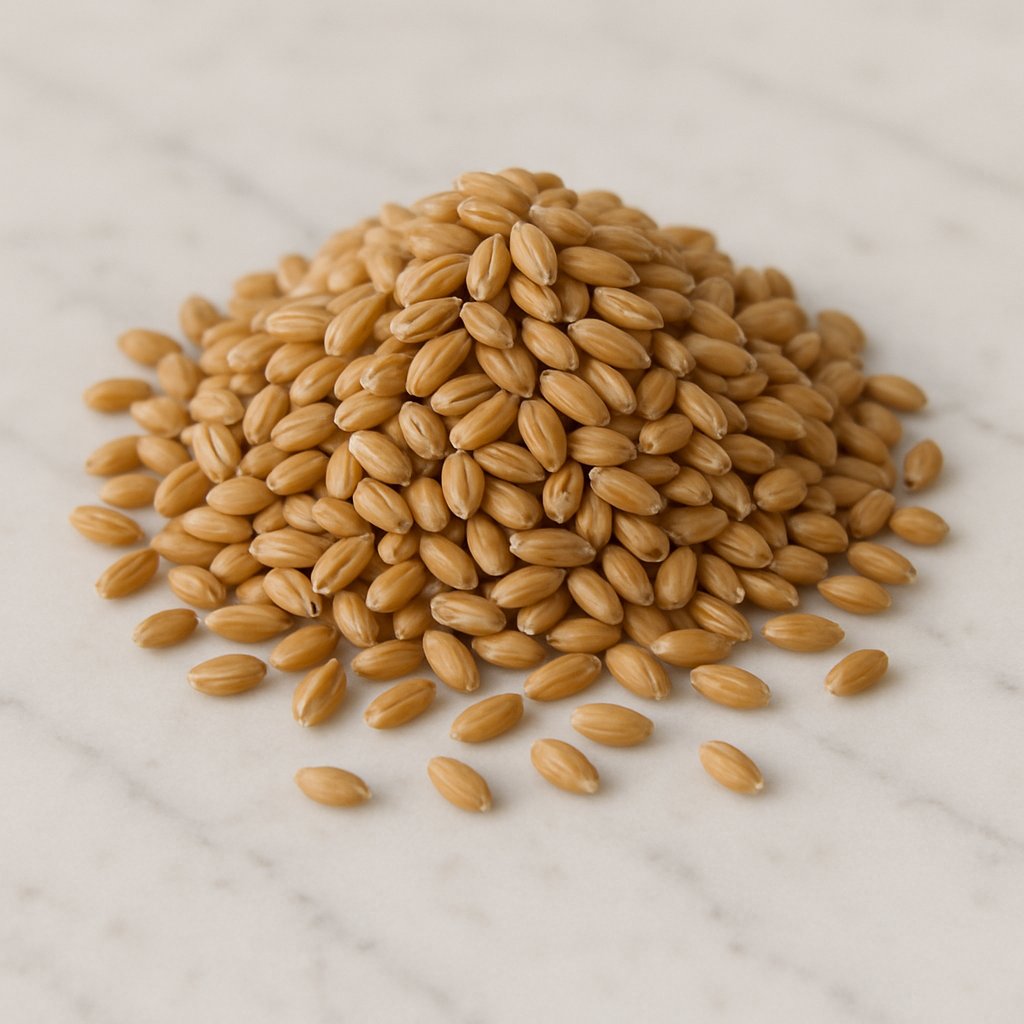
Versatile cereal with high starch and protein content.

Wiki about wheat Nutri-Score A Vegan Yes Gluten-free No Lactose-free Yes Nut-free Yes
NUTRITION / 100 g
340 kcal 13.2 g Protein 71.0 g Kohlenhydrate 2.5 g Fett

Introduction

Wheat field with ripe ears
I love wheat, and it's not about its modesty; wheat is practically everywhere and yet so versatile that I keep discovering new little pleasures. I still remember a trip through northern Italy when the smell of freshly baked bread from a tiny bakery almost pulled me off my bicycle. A colleague joked then that wheat is the quiet star of every kitchen — and he was right.

Wheat comes in many faces: common (soft) wheat for fine pastries, durum (hard) wheat for pasta and semolina, as well as countless varieties in between. The choice of flour dramatically changes texture, flavor and baking behavior. Wholemeal flour brings a nutty depth and fiber, while refined flour often gives the airy crumb we love in croissants and delicate cakes.

For me a few basics belong to the wheat philosophy:

  • Storage: Flour stays best cool and dry, preferably in a sealed jar.
  • Processing: Letting dough rest improves structure and aroma.
  • Substitution: With allergies, replacing wheat often requires combinations of rice, buckwheat or chickpea flours.
Wheat is not only a cooking staple but also a nutrient supplier: it provides carbohydrates, some protein, B vitamins and minerals. At the same time, gluten is a topic I often hear about in conversations; some people avoid wheat for health reasons, others out of curiosity. I have adapted many recipes so they work just as well without wheat — sometimes with surprising results.

I like to experiment in the kitchen: a simple focaccia recipe became the hit of an evening with friends after I used a nutty oil instead of regular olive oil. Such small experiments show how flexible wheat is and how much it creates culture and memory.

In the end, wheat remains for me a daily companion that covers everything from rustic to elegant while telling stories — every bread, every pasta, every cake is a new little tale waiting to be shared.

Availability & types


Availability and types of wheat

Wheat is one of the best-known cereals in the world. It originally comes from the Near East, where people began thousands of years ago to gather wild grasses and later deliberately cultivate them. Today wheat grows almost everywhere there is enough sun and not too much rain — from Europe across North America to Asia and Australia.

Where is wheat grown?

  • Europe: Countries like France and Germany grow a lot of wheat for bread and flour.
  • North America: The USA and Canada produce large quantities, especially for flour and animal feed.
  • Asia: China and India are also large producers, often for domestic consumption.
  • Australia and Russia: Also important exporting countries, i.e., countries that sell wheat to others.
You can think of it like a large world market: some regions produce a lot of wheat and send it to other countries that produce less.

What types of wheat exist?

There are different wheat types that differ in taste, use and growth. Here are the main ones, explained simply:

  • Common (soft) wheat: The most widely grown wheat. It is usually milled into flour for bread, cakes and cookies.
  • Durum (hard) wheat: Has more protein and is often processed into pasta or semolina. Durum is more yellow and feels somewhat harder.
  • Spelt: An ancient wheat species with a nutty flavor. Some people tolerate it better, but it still contains gluten.
  • Ancient grains (Einkorn, Emmer): Very old varieties used in the past. They are rarer but have become popular again because they are seen as “traditional” or “healthy.”
In what forms is wheat available in stores?

  • Wholemeal flour: The whole grain is milled — bran, germ and endosperm. It is high in fiber and darker.
  • White flour: The outer bran is removed, the flour is lighter and finer. In Germany there are numbers like type 405 or type 550 — these are indications of how “light” or “complete” the flour is. A lower number usually means whiter flour.
  • Semolina and semolina grits: Coarser parts of the grain, often used for pasta or porridge.
  • Bulgur and cracked wheat: Pre-cooked and dried wheat that becomes salads or side dishes quickly.
How easy is wheat to obtain?

Wheat is very widely available: in supermarkets, farmers' markets and bakeries you can find many varieties — from inexpensive standard flours to expensive organic or specialty types. Availability sometimes depends on the harvest: after poor weather years there can be less and prices may rise. There is also now more choice of ancient varieties and organically grown wheat, because many people want healthier or more traditional foods.

In summary: wheat grows worldwide, comes in many varieties — from modern common wheat to ancient grains — and in different forms such as flour, semolina or bulgur. Therefore it is easy to find for almost every taste and cuisine.
Details & nutrition

Property Value
Unit g
Calories per 100 340
Protein per 100 13.2
Carbohydrates per 100 71.0
Sugar per 100 0.4
Fat per 100 2.5
Saturated fat per 100 0.4
Monounsaturated fat 0.3
Polyunsaturated fat 1.0
Fiber per 100 12.2
Vitamin C (mg) per 100 0
Vitamin D (IU) per 100 0
Calcium (mg) per 100 34
Iron (mg) per 100 3.6
Nutri-Score A
CO₂ footprint 0.8 kg CO2e/kg
Origin Europe (commonly Germany/France)
Gluten-free No
Lactose-free Yes
Nut-free Yes
Vegan Yes
Note Nutritional values refer to dry wheat grain (whole grain), unprocessed.

Technical & scientific information


Wheat (mainly Triticum aestivum and Triticum durum) is one of the most important food crops for human nutrition and a raw material for numerous foods such as flour, bread, pasta and malt. Botanically, wheat belongs to the grass family (Poaceae). Different varieties are distinguished by kernel hardness, hull characteristics and use (baking wheat, durum); these properties influence processing characteristics and nutrient composition.

Chemical composition of the mature wheat kernel can be roughly divided into three fractions:

  • Endosperm: predominantly starch (amylose and amylopectin) and storage proteins, which after milling form white flour.
  • Germ: rich in lipids, fat‑soluble vitamins (e.g., vitamin E) and enzymes; the high content of polyunsaturated fatty acids makes it susceptible to oxidation.
  • Bran: contains cell wall polymers such as arabinoxylans and cellulose, as well as fiber, minerals and B vitamins.
Typical macronutrient ratios vary by degree of processing. In wholemeal flour the contents per 100 g are roughly: 330–360 kcal, 60–72 g carbohydrates (a significant portion as starch), 10–15 g protein and 8–12 g fiber. White flours have higher starch yields and lower fiber and micronutrient contents.

The protein composition is decisive for technological properties. Gluten proteins (mainly gliadins and glutenins) form an elastic network during kneading that traps gases during dough proofing and determines volume and texture of baked goods. Enzymatic activities, particularly amylases, modulate starch breakdown and influence crumb and browning.

Processing methods include several stages: cleaning and conditioning (tempering), milling (roller or stone mills) with subsequent sifting to separate flour, bran and germ, as well as further processing such as baking, extrusion (pasta, breakfast cereals) or fermentation (beer production, sourdough). The extraction rate and sifting determine the composition of the final product; wholegrain products contain all kernel components, refined products have fewer fibers and micronutrients.

Health aspects concern both benefits and risks. Wholegrain products provide fiber, B vitamins, magnesium and phytochemicals and are epidemiologically associated with reduced risk of cardiovascular disease, type 2 diabetes and certain cancers. Conversely, celiac disease can be triggered by the immune system and requires a completely gluten‑free diet. Wheat allergy and non‑celiac gluten/wheat intolerances are also clinically relevant.

Other technical and safety points are relevant: wheat can be infected by fungi such as Fusarium that produce mycotoxins (e.g., deoxynivalenol); storage conditions influence spoilage by insects or oxidation of fats in the germ. During baking Maillard reactions and resulting substances such as acrylamide can form. From a nutritional perspective, processing and removal of bran increase the glycemic index of wheat products.

In industrial and household contexts, choice of variety, milling system, fermentation management and storage are crucial for nutrient retention, technological quality and food safety. Due to its functional properties, processing flexibility and high yields, wheat remains a central agricultural raw material with complex nutritional and technological characteristics.

Wiki entry for: wheat
Active now: 24 visitors of which 2 logged-in members in the last 5 minutes