Menu & categories

Vodka

Clear, neutral classic spirit with a high alcohol content.

Wiki about vodka Nutri-Score E Vegan Yes Gluten-free Yes Lactose-free Yes Nut-free Yes
NUTRITION / 100 ml
231 kcal 0 g Protein 0 g Kohlenhydrate 0 g Fett

Introduction

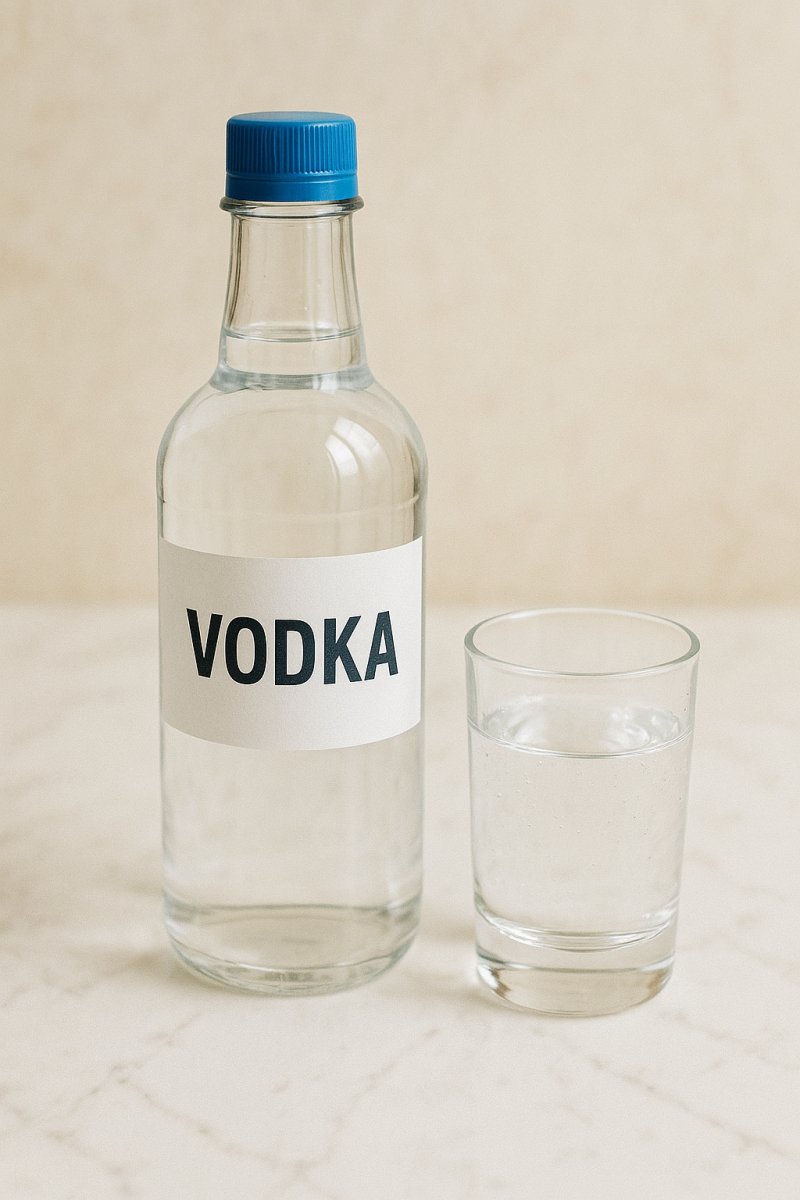
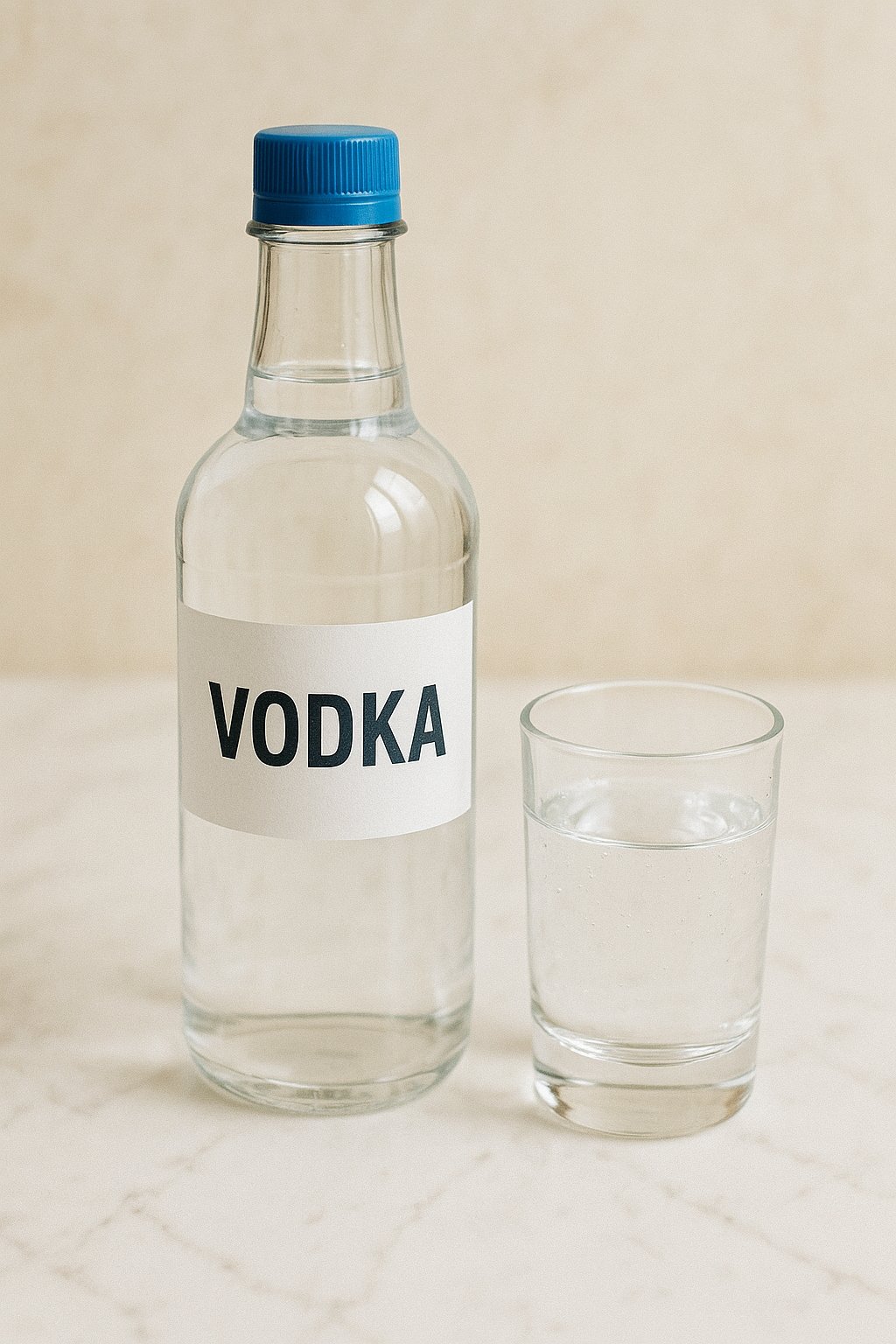
Clear spirit (vodka) in a glass
I still remember my first conscious contact with vodka: a clear sip, ice-cold on a small balcony in a city whose name I prefer not to disclose, because otherwise the picture would resemble kitschy travel guides. The moment was surprisingly warm-hearted, because vodka tasted less like fireworks than expected and more like an elegant pause. Since then this spirit has accompanied me on discoveries, conversations and occasional cooking experiments.

Vodka is more than just an alcoholic drink without disguise. Traditionally it is made from grains or potatoes, but today grapes, beets and even quinoa also bring new nuances to the glass. The typical promise is neutrality, yet it is precisely the fine differences in texture, sweetness and finish that make tasting exciting. At a tasting with friends a seemingly "clean" vodka turned out to be wonderfully nutty on the finish, and suddenly we were discussing ingredient lists like sommeliers.

I like vodka not only as a digestif but also in cooking. A colleague of mine once experimented with a tomato‑cream sauce and swore that a splash of vodka tightened the flavors while taming the acidity. It sounds almost magical, but is culinarily plausible: alcohol dissolves aroma carriers that water cannot reach. Properly dosed, vodka opens olfactory and taste doors without dominating the dish.

When I explain to others how to enjoy vodka, I like to give a few simple rules:

  • Serve cold: This emphasizes texture and softens the alcohol.
  • Just taste: Small sip, briefly in the mouth, then breathe.
  • Cook in moderation: Often little is enough; more would disturb the balance.
Vodka is versatile, sometimes underrated and often surprising. Whether neat, in a cocktail or as a kitchen aid – to me it remains a reliable friend in liquid form, telling stories if you give it a little time.

Availability & types


Availability and types of vodka – that is where it comes from, what kinds exist and how to obtain it – can be explained simply. First a note: vodka is an alcoholic drink and belongs only in the hands of adults. For children it is an interesting topic to learn about, but not to taste.

Where does vodka come from? The name comes from Slavic languages and recalls the word for water. Vodka originally comes from Eastern Europe. Countries like Russia and Poland are considered the classic homes. Later countries such as Sweden, Finland, the Ukraine, but also France, the USA and many others have produced vodka.

What is vodka made from? It can be made from various plants. The most important are:

  • Grains (e.g. wheat, rye, corn): The result is often very clean and mild in taste.
  • Potatoes: This sometimes gives a fuller, slightly creamier character.
  • Grapes or sugar beets: Used less frequently, but can produce very fine vodkas.
You can think of it like this: just as you make apple juice from apples and wine from grapes, you use grains or potatoes to make vodka. The difference between the ingredients is like the difference between different types of flour in baking – it slightly changes the texture and taste.

Which types and variants exist? Vodka is not just "one taste". There are several categories that are easy to recognize:

  • Classic/neutral vodka: Very clean and almost flavorless. It is well suited to cocktails because it does not overpower other aromas.
  • Potato vodka: Rounder and sometimes a little sweeter on the palate.
  • Grain vodka: Light and clear, often with a "smooth" finish.
  • Premium or craft vodka: Made in small batches, often with special purification or bottles. You pay more for it because producers work more finely.
  • Liqueur-like flavored vodka: With additions like lemon, raspberry, pepper or herbs. You can imagine them like lemonade, just with alcohol.
  • Alcohol-free alternatives: Today there are also beverages that look or taste like vodka but contain no alcohol. They are intended for people who do not want to drink alcohol.
How can you get vodka? In most countries you can buy it in supermarkets, liquor stores or online. There are cheap versions intended more for mixing, and more expensive ones to enjoy neat. Many countries have their own brand or specialty, similar to chocolate or cheese.

In summary: Vodka is a versatile drink that can be made from different plants and is available in many variants. Whether from grains, potatoes or grapes, neutral or flavored, there is a bottle to suit almost every purpose and taste. And again: vodka is an alcoholic beverage for adults; for children it remains an interesting subject to explain and discover.
Details & nutrition

Property Value
Unit ml
Calories per 100 231
Protein per 100 0
Carbohydrates per 100 0
Sugar per 100 0
Fat per 100 0
Saturated fat per 100 0
Monounsaturated fat 0
Polyunsaturated fat 0
Fiber per 100 0
Vitamin C (mg) per 100 0
Vitamin D (IU) per 100 0
Calcium (mg) per 100 0
Iron (mg) per 100 0
Nutri-Score E
CO₂ footprint 0.20
Origin Variable (depending on the producer; often made from grain or potatoes)
Gluten-free Yes
Lactose-free Yes
Nut-free Yes
Vegan Yes
Note Typical alcohol content approx. 37.5–40% vol; nutritional values may vary slightly depending on alcohol by volume (ABV).

Technical & scientific information

Vodka is an alcoholic spirit that mainly consists of the two chemical components ethanol (C2H5OH) and water. Common alcohol strengths range between 37.5% and 40% by volume, and in some variants higher. Chemically, vodka is an aqueous alcohol mixture whose physical properties are determined by the alcohol‑water relation: ethanol has a boiling point of 78.37 °C, is fully miscible with water and significantly lowers the freezing point when mixed, so commercial vodka rarely freezes in ordinary freezer compartments.

The chemical composition goes beyond pure ethanol and water and contains trace compounds that influence taste and tolerability. These include:

  • higher alcohols (fusel oils) such as 1‑propanol, 2‑methylpropanol and 3‑methylbutanol;
  • aldehydes (e.g. acetaldehyde),
  • ethers and esters (e.g. ethyl acetate),
  • methanol in very low, regulated concentrations, especially when fruits were used as raw material,
  • traces of minerals and salts from the water used, which affect mouthfeel and clarity.
From a production standpoint vodka differs mainly by the choice of raw material (grains, potatoes, corn, sugar beets, grapes, etc.) and by the processing stages applied. General working steps are:

  • Mashing: Starchy raw materials are converted enzymatically or with heat into fermentable sugars.
  • Fermentation: Yeasts convert sugars into ethanol and CO2; the resulting mash typically contains 5–12% alcohol.
  • Distillation: In column or pot stills the alcohol content is increased. For neutral vodka it is often distilled up toward the ethanol‑water azeotrope (approx. 95–96%) and then recombined.
  • Refinement/Filtration: Activated carbon filtration and other procedures reduce undesired accompanying substances (congeners) and lead to a more "neutral" taste profile.
  • Dilution and bottling: Adjusted to the desired drinking strength with distilled or treated water and then bottled.
From a nutritional perspective vodka provides almost exclusively ethanol as an energy source. Ethanol yields about 7 kcal (kcal ≈ kcal) per gram. Calculated for commercial vodka at 40% vol., this amounts to about 220–230 kcal per 100 ml. Carbohydrates, proteins and fats are practically absent.

Biochemically, ethanol is oxidized in the liver by the enzymes alcohol dehydrogenase (ADH) to acetaldehyde; acetaldehyde is toxic and is further metabolized by aldehyde dehydrogenase (ALDH) to acetate. These intermediate stages explain acute toxic effects and contribute to long‑term consequences with regular high intake. Acute dangers include intoxication, overdose and, at very high amounts, life‑threatening respiratory and circulatory depression. Chronic risks include, among others, liver disease, increased cancer risks, cardiovascular damage and addiction development.

Analytically, vodka is tested with methods such as gas chromatography (GC, often coupled with mass spectrometry) for ethanol content and accompanying substances. Density measurement, alcoholmeters and spectroscopic methods are also used for quality control. Legal requirements of the respective markets regulate alcohol content, designation and permitted additives; vodka is classified in many jurisdictions as a neutral, non‑aged spirit.

Sensory-wise vodka is considered relatively neutral, yet nuances arise from raw material choice, distillation depth and water quality. Technically and health‑wise vodka is a well‑studied product: its risks depend primarily on the amount consumed and consumption patterns, while production methods and filtration influence the sensory profile and purity.

Wiki entry for: vodka
Active now: 30 visitors of which 2 logged-in members in the last 5 minutes