Menu & categories

Venison

Lean game meat with a strong flavor

Wiki about venison Nutri-Score B Vegan No Gluten-free Yes Lactose-free Yes Nut-free Yes
NUTRITION / 100 g
120 kcal 22.0 g Protein 0.0 g Kohlenhydrate 2.0 g Fett

Introduction

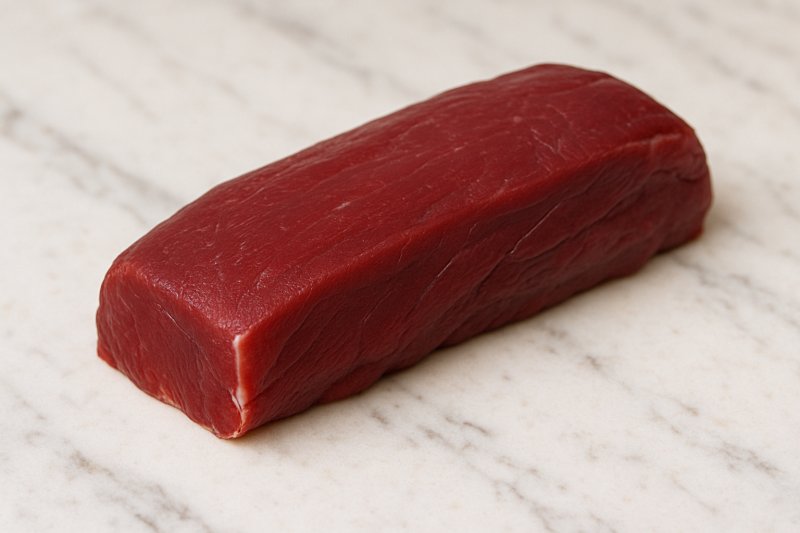
Image of venison

To me, venison is the epitome of an intense yet restrained flavor. The first time I tried a piece of venison loin, I was surprised at how elegant game can be: tender, slightly nutty and with a depth that few beefs reach. I still remember a late autumn evening when a friend took a small piece of venison leg from the oven and the scent of rosemary, juniper and browned sauce filled the whole kitchen.

Venison, often called game, is lean and rich in protein. Its texture demands respect when cooking: too long and it becomes dry, cooked briefly and at low temperature it stays juicy and flavorful. A colleague of mine swears by low-temperature cooking; he serves his medallions lukewarm with a red wine and lingonberry sauce, which every time feels like a small, cozy celebration.

What I particularly like about venison is its versatility. From quickly searing loin cuts to slow-braising the shoulder to simple mince for a hearty ragu — each preparation tells a different story. Marinades based on red wine, juniper, garlic and bay support the game flavor. A short soak in milk sometimes tones down the strongest wild note, if preferred.

Practical tips I've learned by trying:

  • Let venison come to room temperature before cooking for even doneness.
  • Only sear briefly at high heat, then finish in the oven at low temperature.
  • Sauces with dark berries, mushrooms or chocolate complement the meat's natural sweetness.
  • For long-term storage proper hanging and vacuum-packing are useful.

For me venison is more than just an ingredient; it's a flavor that evokes memories of forest walks, rustic markets and long meals with friends. Every venison meal tells a small story, and I am always pleased when new flavors mix into those stories.

Availability & types

Availability and types of venison

When people speak of venison they mean the meat of various deer species in the Cervidae family. Venison is available in different forms and from different species. Availability depends on where you live, the season, and whether the meat comes from the wild or from farmed sources.

Origin – wild or farmed
- Wild: Many deer are shot in the wild. This meat is called “game” and often comes from forests. Game meat usually has a stronger flavor because the animals lived outdoors and ate natural food. Imagine eating an apple from a garden tree versus one grown commercially — the taste can be more intense.
- Farmed (sometimes “venison from farms”): In some countries deer are also kept on farms. The meat is then somewhat milder in flavor and more consistently available, as it is produced like other farmed meats.

Regions of occurrence

  • Europe: Red deer, roe deer and fallow deer are common in many parts of Europe. Countries like Germany, Sweden, Poland and Romania have large populations.
  • Northern Europe and Scandinavia: Here moose (called “Elch” in German, different from smaller deer) and large red deer are often found. These regions are known for game meat.
  • North America: The USA and Canada also have various deer species, such as white-tailed deer and mule deer.
  • Other regions: Parts of Asia also host deer species, though species and availability vary.

Available varieties and options

  • Deer species:
    • Red deer: One of the best-known species. Large and robust in flavor.
    • Roe deer: Smaller than red deer, more tender meat and milder taste.
    • Fallow deer: Medium-sized, often with slightly sweeter flavor.
    • Sika, white-tailed deer, moose: Present depending on region.
  • Animal cuts:
    • Fillet (loin): Very tender, like beef fillet.
    • Leg: Good for roasting or braising.
    • Back/loin: Suitable for steaks.
    • Minced meat: For patties or Bolognese, often mixed with other meats.
  • Fresh or frozen: Game is often frozen because hunting is seasonal. You can find both options at supermarkets or the butcher.

How to recognize good quality?
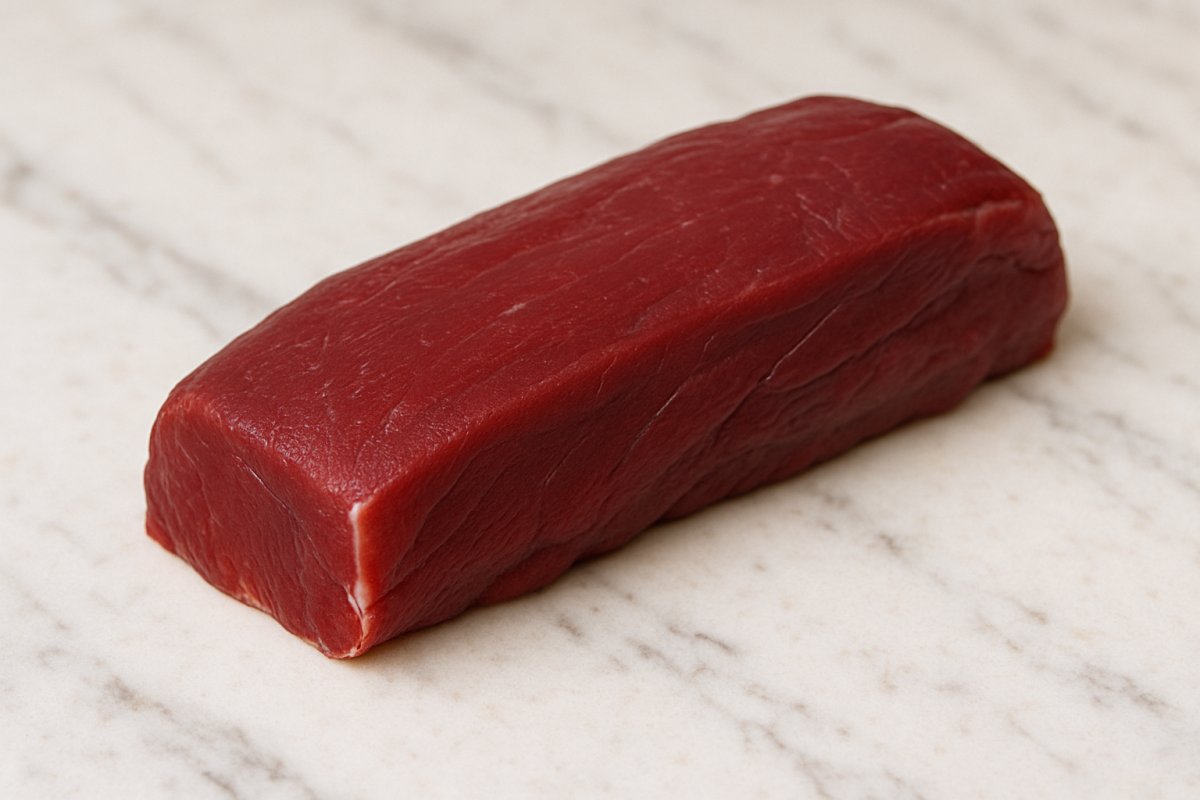
Look for clear labeling: “wild” means free-range, “farmed” means from a holding. Fresh venison has a dark color and should not smell unpleasant. Sometimes meat is more tender if properly aged — meaning it was stored for a time to become softer.

In summary: venison can come from wild or farmed sources, is found across many European countries, North America and elsewhere. It occurs in various species (red deer, roe deer, fallow deer, etc.) and as fillet, leg, loin or minced meat. Wild game is stronger in flavor, farmed meat is milder — both have their appeal and availability depends on season and region.
Details & nutrition

Property Value
Unit g
Calories per 100 120
Protein per 100 22.0
Carbohydrates per 100 0.0
Sugar per 100 0.0
Fat per 100 2.0
Saturated fat per 100 0.7
Monounsaturated fat 0.8
Polyunsaturated fat 0.3
Fiber per 100 0.0
Vitamin C (mg) per 100 0.0
Vitamin D (IU) per 100 20
Calcium (mg) per 100 5
Iron (mg) per 100 3.0
Nutri-Score B
CO₂ footprint 30 kg CO2e/kg
Origin Game (Europe)
Gluten-free Yes
Lactose-free Yes
Nut-free Yes
Vegan No
Note Nutritional values may vary depending on the cut (e.g., haunch, loin) and the origin of the game; game meat may contain traces of projectile/bone fragments.

Technical & scientific information

Venison in culinary and food science contexts generally refers to meat from deer (Cervidae), often red deer (Cervus elaphus). It is a lean game meat with a characteristic dark color caused by a high content of myoglobin. The flavor is frequently described as intense, slightly sweet and “gamey” and varies with the animal's age, season and diet.

Composition and nutritional values
Typical compositions can vary, but for raw slaughter cuts the following average values per 100 g are realistic: energy 120–160 kcal, protein 20–30 g, crude fat 1–6 g. Venison is rich in mineral nutrients such as iron (often 2–5 mg/100 g, depending on cut and blood content), zinc and contains well-bioavailable vitamin B12. The fatty acid profile typically shows a higher share of unsaturated fatty acids than many intensively farmed meats; wild animals often have higher proportions of omega‑3 fatty acids due to natural forage-based diets.

Structure and chemical properties
The dark coloration is explained by high myoglobin content and low intramuscular fat. Tenderness depends on muscle type, animal age and postmortem processes. After slaughter, proteolytic enzymes during aging release a controlled hydrolysis of muscle proteins, improving tenderness. Collagen levels are moderate; older animals can have higher connective tissue proportions that require longer cooking times.

Processing methods
Venison is processed and preserved in various ways:

  • Chilled aging (dry or wet aging) for enzymatic tenderization and flavor development.
  • Butchering into portions (leg, loin, shoulder) similar to beef.
  • Minced meat and forcemeat for sausages; special care with hygiene and temperature control is required.
  • Curing, smoking and drying (e.g. game ham, jerky), classic preservation methods.
Good practice includes rapid cooling, aseptic handling and removal of any lead projectile residues after hunting if present.

Food safety
Game meat has specific health risks: parasites like Trichinella can occur, though much less commonly in deer than in wild boar; contamination with Toxoplasma gondii is also possible. Bacterial contamination from poor hygiene or inadequate cooling is relevant too. Recommended measures include careful evisceration, maintaining the cold chain and adequate heating, especially for minced meat (for mince and forcemeat internal temperatures ≥71 °C are recommended). For whole cuts lower internal temperatures are typically tolerated, considering culinary preferences and risk groups (pregnant women, immunocompromised).

Nutritional and environmental background
Venison is considered nutritionally a high-quality protein source with relatively low fat content and a favorable fatty acid profile, particularly when the animal was raised in a natural environment. From an ecological perspective, the use of wild stocks varies locally: sustainable hunting can regulate populations and supply food from extensive production; potential environmental aspects include trophy removal, population management and contamination risks.

Overall, venison as a food offers a nutrient-rich and distinctively flavored alternative to conventionally produced meats, but requires specific knowledge in processing and safety to minimize health risks and to best utilize its sensory qualities.

Wiki entry for: venison
Active now: 18 visitors of which 2 logged-in members in the last 5 minutes