Availability and types
What is veal stock?
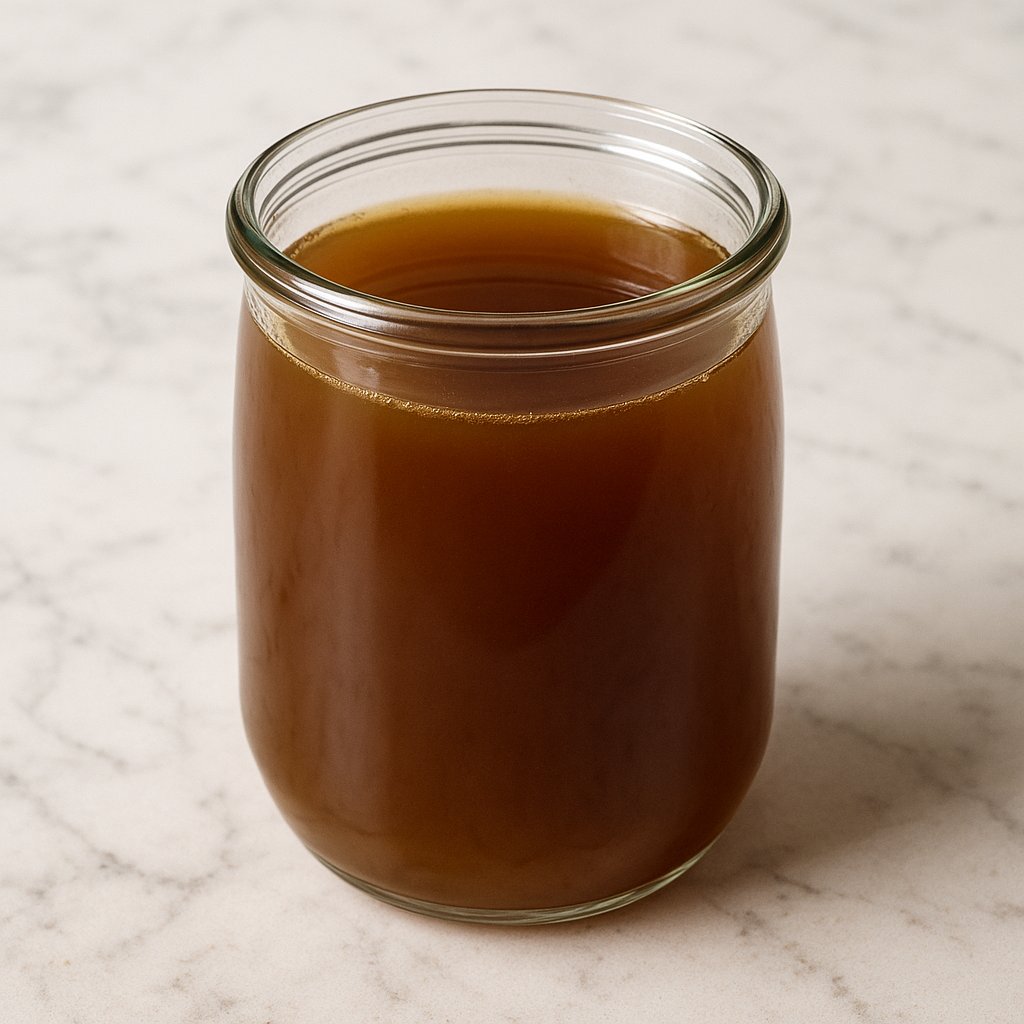
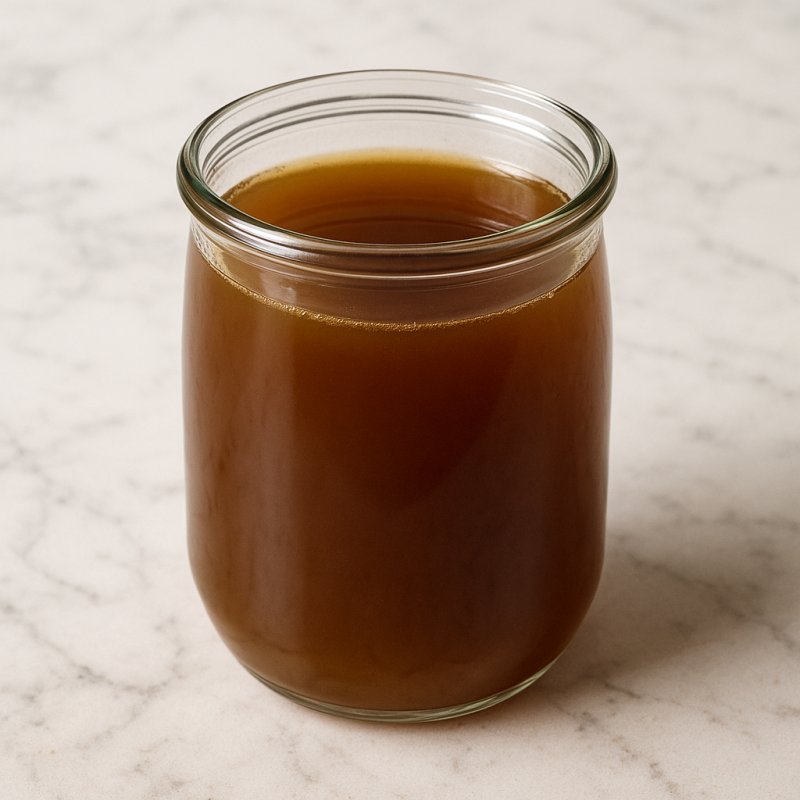
Veal stock is a robust broth made from veal bones, meat trimmings and often some vegetables. It can be used as a flavourful base for soups, sauces or stews. Think of it like a thick, delicious 'flavour magic potion' that gives many dishes depth and aroma.
Veal stock is a robust broth made from veal bones, meat trimmings and often some vegetables. It can be used as a flavourful base for soups, sauces or stews. Think of it like a thick, delicious 'flavour magic potion' that gives many dishes depth and aroma.
Where does veal stock come from?
Veal stock is made where cattle or calves are raised and slaughtered. That does not mean the stock grows in a particular place — it is produced. The bones and parts of the calf usually come from countries with many meat-processing facilities, for example in Europe (such as Germany, France, Italy) or other regions with large livestock industries. It is important that the raw materials come from trustworthy slaughterhouses so that quality and hygiene are assured.
Veal stock is made where cattle or calves are raised and slaughtered. That does not mean the stock grows in a particular place — it is produced. The bones and parts of the calf usually come from countries with many meat-processing facilities, for example in Europe (such as Germany, France, Italy) or other regions with large livestock industries. It is important that the raw materials come from trustworthy slaughterhouses so that quality and hygiene are assured.
Available types and variants
Veal stock is available in different forms — similar to how chocolate comes as bars, tablets or powder. Here are the most common variants:
Veal stock is available in different forms — similar to how chocolate comes as bars, tablets or powder. Here are the most common variants:
- Fresh veal stock (home-made)
This is the variant chefs often prefer. Bones and vegetables are cooked for hours in water until an intense flavour develops. Advantage: it tastes very natural and you can season it as you like. Disadvantage: it takes a long time and needs space and time. - Concentrated veal stock (jar or can)
These stocks have been reduced and are ready to heat. They are convenient because you only need to warm them. They are usually found in jars or cans. The concentrated version often has a stronger flavour because it has been reduced by half or more. - Stock as cubes or paste
These are small portions you can dissolve in water — similar to bouillon cubes. They are very convenient and have a long shelf life. Some contain salt and additives, so it's good to read the label if you prefer less salt. - Freeze-dried or powdered stock
Here the stock is dried so that it becomes a powder and has a long shelf life. Adding water reconstitutes the broth. This variant is easy to store and ideal for camping or quick meals. - Organic and regional variants
Sometimes there are veal stocks with organic certification or from regional production. This means the animals come from organic farming or that the ingredients come from nearby. Many people choose such products because they care about animal welfare or short transport distances.
How do I find veal stock in the store?
Veal stock is usually placed with ready sauces, broths or in the delicatessen section. If you look in a large supermarket or at the butcher you will surely find several options. At the butcher you can often also get fresh stock or bones to cook yourself. Packaging may state things like 'concentrate', 'jarred stock', 'stock from veal bones' or 'roasting stock'.
Veal stock is usually placed with ready sauces, broths or in the delicatessen section. If you look in a large supermarket or at the butcher you will surely find several options. At the butcher you can often also get fresh stock or bones to cook yourself. Packaging may state things like 'concentrate', 'jarred stock', 'stock from veal bones' or 'roasting stock'.
What should you pay attention to?
- Check the best-before date and the ingredients.
- If you want less salt, look for 'reduced salt'.
- For environmentally conscious buyers: organic certification or regional origin may be important.
- If you want to control the flavour, homemade stock is best.
- Check the best-before date and the ingredients.
- If you want less salt, look for 'reduced salt'.
- For environmentally conscious buyers: organic certification or regional origin may be important.
- If you want to control the flavour, homemade stock is best.
In summary: veal stock is available fresh, canned/concentrated, as cubes, as powder or in organic and regional variants. Each form has pros and cons — homemade tastes most natural, ready-made variants are practical and long-lasting. This way everyone can find the suitable option depending on time, taste and preferences.