Menu & categories

Vanilla sauce

Sweet milk-based dessert sauce with vanilla flavor

Wiki about vanilla sauce Nutri-Score D Vegan No Gluten-free Yes Lactose-free No Nut-free Yes
NUTRITION / 100 g
120 kcal 3.0 g Protein 18.0 g Kohlenhydrate 3.5 g Fett

Introduction

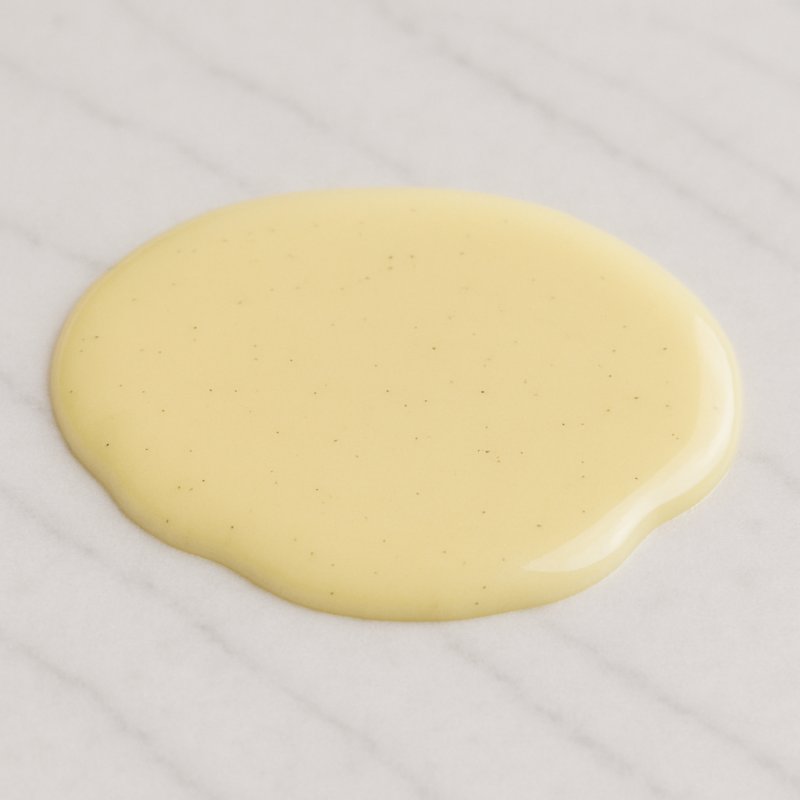
Bowl of creamy vanilla sauce
I still clearly remember my first conscious taste of vanilla sauce: a steaming bowl beside a slice of apple pie that was just warm enough for the scent of cinnamon and caramelized crust to drift into the kitchen. The vanilla sauce was velvety, not too sweet, and carried a warm, almost soothing note that turned the whole piece of cake into a small celebration. Since then vanilla sauce has been for me more than just a companion – it is a nostalgic magic potion that turns simple desserts into memories.

For me a good vanilla sauce carries three qualities: a delicate, natural vanilla note, a creamy texture and the right balance between sweetness and depth. When I cook it, I make sure to use real vanilla pods or at least a high-quality vanilla extract; that often makes the difference between a flat, artificial sauce and one that has character. A colleague once laughed because I treat a pod like a little work of art, but when he tried my version he was convinced.

Vanilla sauce is surprisingly versatile. I serve it classically with apple pie, semolina pudding or red fruit compote, but it also pairs excellently with fresh berries, pancakes or as a warm accent to ice cream. Sometimes I refine it with a splash of rum or a pinch of nutmeg when I want more depth. For quick situations I always have a simple basic recipe on hand that needs few ingredients and is easy to vary:

  • Milk or cream as the base for creaminess
  • Sugar for sweetness, to taste
  • Egg yolks or starch to thicken
  • Vanilla – pod or good extract for the aroma
A small kitchen secret my aunt told me is to heat slowly and stir constantly. That way the consistency stays silky and no lumps form. Once I was at a family dinner and had cooked the sauce too long; it became pudding-like. After that I learned that patience when simmering is as important as the ingredients themselves.

In conclusion I think vanilla sauce is a wonderful example of how a simple ingredient can tell many stories: of Sunday afternoons, improvised desserts and loving kitchen mistakes that lead to new recipes. It is a small culinary comfort patch that adapts easily to different tastes and brings joy again and again.

Availability & types

Availability and types

Vanilla sauce is a popular sweet sauce eaten with desserts like cakes, pancakes or ice cream. It can be found in many supermarkets and kitchens because it is easy to prepare and pairs well with many dishes. When we talk about availability we mean where you can buy vanilla sauce and in which forms it is offered.

You can get vanilla sauce in three simple ways:

  • Ready-made in supermarkets: This is the quickest option. There are ready-purchased vanilla sauces in bottles or cartons. Sometimes they are also called „dessert sauce“ or „vanilla sauce“. These are often longer lasting because they contain preservatives or sugar.
  • Powder to mix: In small packets or tins there is powder that you mix with milk and briefly cook. This is practical because the powder keeps a long time and you can easily measure the amount.
  • Homemade: Many people make vanilla sauce themselves from milk, egg yolks or starch and real vanilla. This takes a bit longer but often tastes more intense.

Origin and growing regions

The most important ingredient for many vanilla sauces is vanilla. Vanilla originally comes from tropical countries. The best-known growing regions are:

  • Madagascar: This island nation is famous for its dark, aromatic vanilla. Many people like the warm, classic scent of „Madagascar vanilla“.
  • Indonesia: Lots of vanilla grows here too. The pods are often somewhat stronger in flavor.
  • Mexico: Vanilla has its origins there. Mexican vanilla can have a slightly chocolatey or smoky note.
  • Other tropical areas: Vanilla is also found in countries like Réunion, Tahiti or Papua New Guinea.
Vanilla plants are orchids that are very sensitive. Harvesting is labor-intensive because the flowers often have to be hand-pollinated by people. This makes real vanilla more expensive than artificial vanilla flavors.

Available types and variants

For vanilla sauce one often distinguishes according to which vanilla or flavor is used:

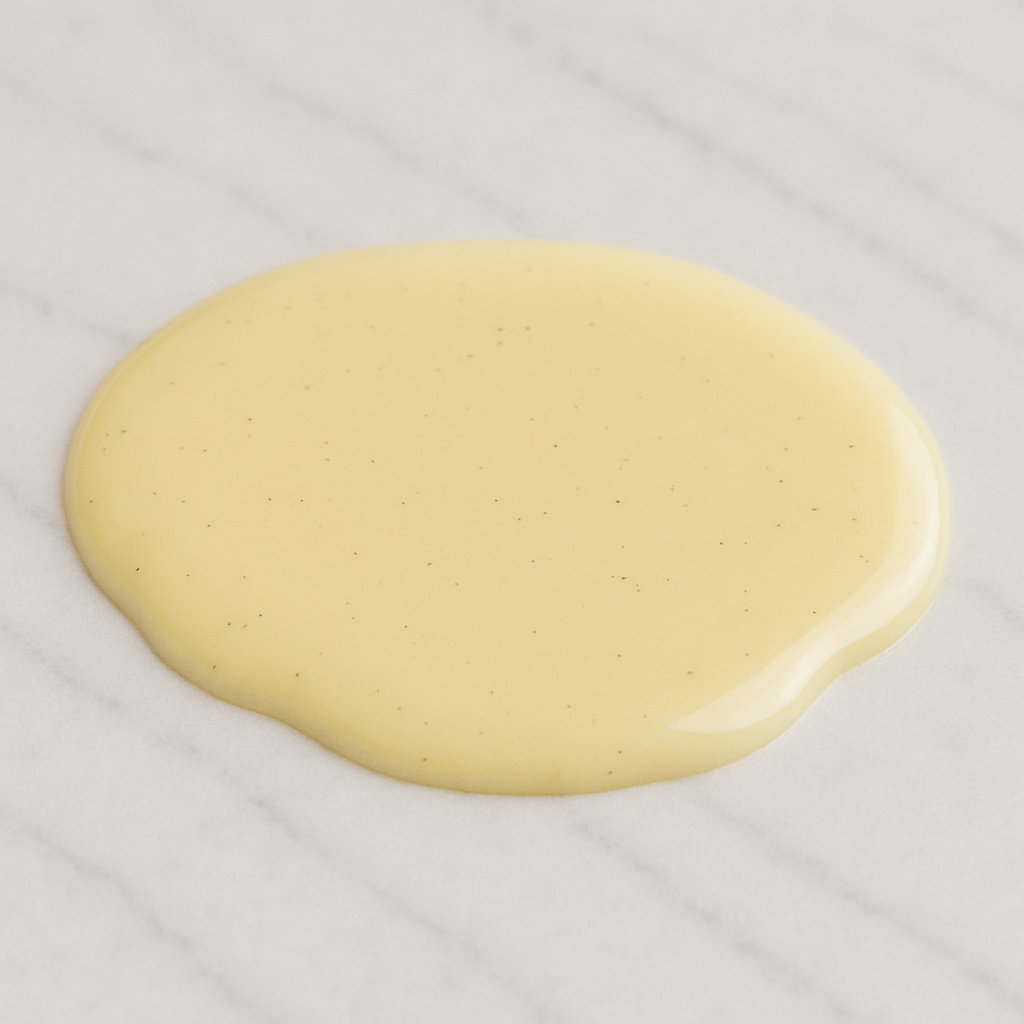
  • Real vanilla sauce: This is made with real vanilla pods or vanilla seeds. You often recognize it by small black specks (those are the seeds from the pod). It tastes rich and natural.
  • Artificially flavored sauce: Here, instead of real vanilla, an artificial vanilla flavor (vanillin) is used. It is cheaper and tastes somewhat more uniform, but less complex.
  • Vegan or lactose-free: For people who cannot or do not want to eat milk or eggs, there are plant-based vanilla sauces, for example made from soy, oat or almond milk and with starch instead of egg yolk.
  • Light variants: These have less sugar or fat and are often made with sweeteners or thickeners.
  • Special varieties: Sometimes you find vanilla sauce with additions like rum, caramel or chocolate that give the flavor a special note.
In summary: vanilla sauce is available almost everywhere or can be made at home. Whether cheap with artificial flavoring or premium with real vanilla — the choice depends on how much time and money you want to spend and which taste you prefer. Real vanilla comes from tropical countries and is labor-intensive to harvest, which is why it costs more. Today there is a vanilla sauce suited to every taste and dietary preference.
Details & nutrition

Property Value
Unit g
Calories per 100 120
Protein per 100 3.0
Carbohydrates per 100 18.0
Sugar per 100 16.0
Fat per 100 3.5
Saturated fat per 100 2.2
Monounsaturated fat 1.0
Polyunsaturated fat 0.2
Fiber per 100 0.0
Vitamin C (mg) per 100 0.0
Vitamin D (IU) per 100 8
Calcium (mg) per 100 110
Iron (mg) per 100 0.1
Nutri-Score D
CO₂ footprint 1.2
Origin Varies by manufacturer, typically Europe
Gluten-free Yes
Lactose-free No
Nut-free Yes
Vegan No
Note Nutritional values for a typical ready-to-serve vanilla sauce made with milk and egg yolk and sugar; exact values may vary depending on the recipe and manufacturer.

Technical & scientific information

Vanilla sauce is a common sweet milk-based sauce, primarily used as an accompaniment to desserts such as cakes, puddings, fruit or pancakes. Traditionally it consists of milk or cream, sugar, eggs or egg yolks as well as vanilla flavoring or vanilla pod. Commercial variants may additionally contain thickeners like starch (corn or wheat starch) and emulsifiers to improve texture and shelf life. The texture-providing components and the flavor compounds used largely determine the mouthfeel, stability and sensory profile of the sauce.

Chemical composition and ingredients: On a molecular level vanilla sauce mainly consists of water, milk proteins (casein and whey proteins), milk fat and milk sugar (lactose). When eggs are used, albumin and lipoproteins provide additional emulsifying and stabilizing functions. In starch-based recipes amylose and amylopectin molecules form networks that bind water and create gel-like structures. As flavor compounds natural vanillin from vanilla pods or synthetic vanillin analogues occur; vanillin (4‑hydroxy‑3‑methoxybenzaldehyde) is the primary aroma molecule, whose perception is intense even at low concentrations.

Nutritional values and energy density: The nutrient composition varies with recipe and ingredients. Typical homemade variants contain 8–12 g fat and 5–10 g carbohydrates per 100 g, which corresponds to about 100–150 kcal per 100 g. Variants with a high cream content or added sugar have a higher energy amount. Ready-made, starch-bound preparations can be lower in calories due to added water, but often contain additional added sugars and thickeners. Vegetarian and vegan alternatives replace milk with plant-based drinks (soy, oat, almond) and eggs with plant-based thickeners like modified starch or xanthan.

Manufacturing and processing techniques: In the classic preparation milk and vanilla are brought to a boil and then thickened with sugar and a mixture of eggs or egg yolks. This form of tempering prevents protein coagulation by gradually equalizing temperatures. The typical temperature control stays below the boiling point; for a safe set without coagulation a range between 70–85 °C is usually aimed for. In starch-bound recipes starch is first mixed with a cold liquid (to avoid slime formation) and then heated while stirring, whereby the starch swells (gelation) and the viscosity increases. Industrial processes use homogenization and UHT treatment to extend shelf life as well as aseptic filling for convenience products.

Sensorics and stability aspects: Texture, gloss and mouthfeel depend on fat content, particle size (in homogenized milk), starch fraction and total solids. Proteins and fats contribute to creaminess, while too high temperatures or too rapid heating can lead to coagulation and flocculation. Shelf life is limited by microbial spoilage and enzymatic activity; pasteurized products are typically stable for a few days in the refrigerator, industrially preserved variants considerably longer.

Health aspects: Vanilla sauce is energy-dense because of its sugar and fat content and should be consumed portion-controlled within a balanced diet. Persons with lactose intolerance or milk allergy must switch to lactose-free or plant-based alternatives. Vanillin itself is considered unproblematic at the usual concentrations; natural vanilla, however, contains a complex mixture of secondary plant compounds that, in addition to vanillin, contribute subtle aromatic notes and trace effects. In industrial products possible contaminants such as unwanted microorganisms, as well as additives (e.g. artificial flavors, colorants, preservatives) should be taken into account.

Summary: Vanilla sauce is a technically and chemically straightforward milk product whose properties are controlled by the choice of milk fat, proteins, eggs, starch and vanilla components. Processing steps such as tempering, starch swelling and gentle heating are critical for the desired consistency and stability. From a nutritional perspective the product provides energy in the form of fat and sugar, so moderate consumption is recommended. For special dietary needs there are now numerous variants that replace milk components or sugar, while industrial processes optimize food safety and shelf life.

Wiki entry for: vanilla sauce
Active now: 18 visitors of which 2 logged-in members in the last 5 minutes