Menu & categories

Twix

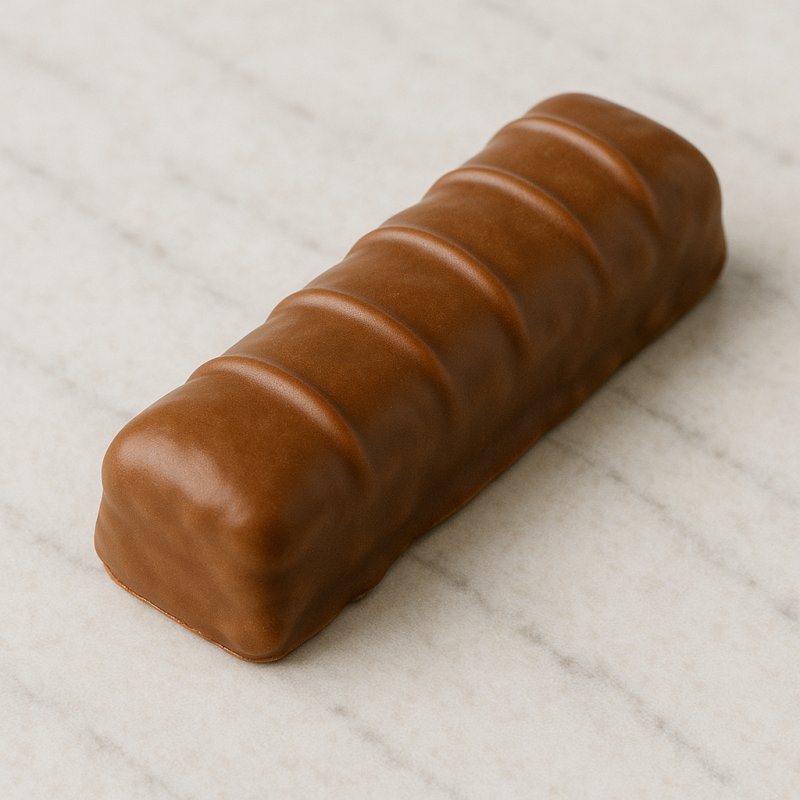
Crispy biscuit bar with caramel and milk chocolate

Wiki about Twix Nutri-Score E Vegan No Gluten-free No Lactose-free No Nut-free No
NUTRITION / 100 g
494 kcal 4.4 g Protein 64.9 g Kohlenhydrate 23.9 g Fett

Introduction

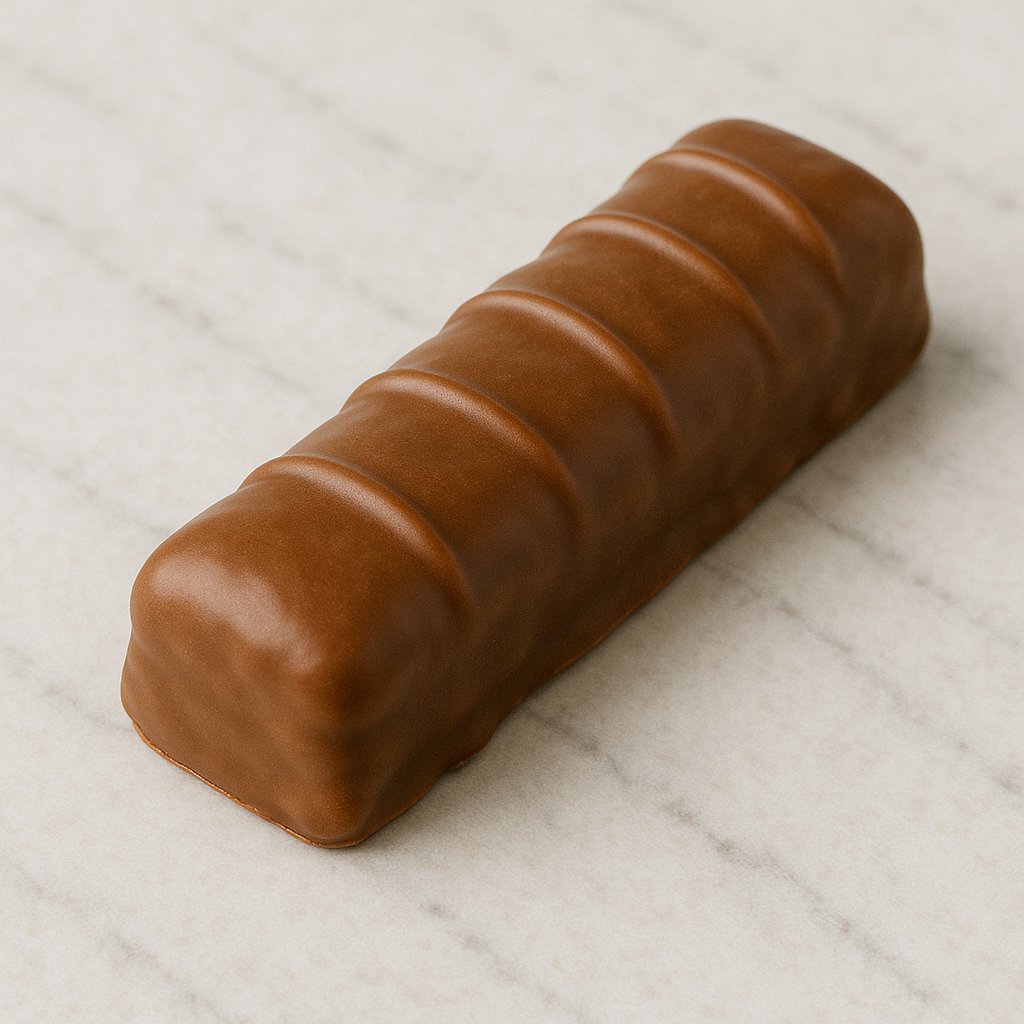
A Twix chocolate bar with biscuit, caramel and milk chocolate
I still remember exactly the first bite into a Twix bar: the combination of a crisp cookie base, a delicate layer of caramel and melting chocolate immediately captivated me. For me Twix is more than just a sweet; it is a small, structured pleasure that reliably provides comfort while traveling, during break-time conversations and on rainy afternoons. A colleague of mine seriously swears that Twix is the only candy that fills conversation pauses elegantly — two fingers, two bars, and suddenly the world is right again.

What I particularly appreciate about Twix is the clear composition: crunchy cookie, chewy caramel and a layer of chocolate that holds everything together. This tripartite structure provides a harmonious experience in which each component has its moment. On the first bite the cookie dominates with its buttery crunch; in the next instant the caramel follows and fills the mouth with velvety sweetness, before the chocolate slowly melts and combines the flavors.

I have tried Twix in various versions — with white chocolate, as a mini version for snacking and even in limited editions with unusual flavors. Each variation tells its own story, and sometimes the unexpected combination is the most exciting: once I tried a salty caramel edition and was surprised how well a pinch of sea salt balanced the sweetness.

Twix is also a practical companion in everyday life. When I'm on the go, a bar often ends up in my pocket; when writing a long column a small piece is enough to restore concentration. I like how familiar and consistent Twix remains, even when packaging designs change or new flavors appear.

  • Taste: sweet, buttery, caramel
  • Texture: crunchy, chewy, melting
  • Use: snack, baking ingredient, small reward
Whether as a simple moment of enjoyment or as inspiration for sweet experiments in the kitchen — for me Twix has something playful and reliable at the same time. Sometimes it is precisely this combination of comfort and culinary clarity that makes an ingredient, or in this case a bar, so likeable.

Availability & types

Availability and types

When we talk about Twix we mean a well-known chocolate bar brand made up of two long bars in a pack. Twix is not a single "ingredient" like flour or sugar, but a finished product that combines different ingredients: a crisp cookie base, a soft caramel layer and a milk chocolate coating. Because Twix is a branded product, it is manufactured in factories and not grown in fields.

Origin
Twix was originally invented by the company Mars Inc. and first introduced in the United Kingdom. Later the bar appeared in many other countries. The brand therefore originates from a large chocolate manufacturer, and production takes place in factories that process ingredients such as wheat (for the cookie), sugar (for the caramel), milk (for the chocolate) and cocoa beans.

Growing regions of raw materials
Even though Twix itself is produced in factories, the raw materials come from various regions of the world. Here are some important ingredients and where they often come from:

  • Cocoa beans: These grow in warm, tropical countries such as the Ivory Coast, Ghana or Indonesia. Cocoa beans are the basis for chocolate.
  • Wheat: The cookie base is made from wheat flour, which is grown in many countries, for example in Europe, North America or Russia.
  • Sugar: Sugar can be obtained from sugar beet (in cooler regions like parts of Europe) or from sugar cane (in warmer countries like Brazil).
  • Milk: The milk for milk chocolate usually comes from countries with large dairy industries, such as Europe, North America or Australia.
You can imagine Twix like a house built in a factory – the bricks (cocoa), the mortar (sugar) and the wood (wheat) come from different regions of the world.

Available varieties and versions
Twix is available in many different variants so there is something for every taste. Here are some common types you can find in stores:

  • Classic Twix: The classic bar with cookie, caramel and milk chocolate.
  • White Chocolate Twix: Instead of dark or regular milk chocolate this bar is coated in white chocolate. White chocolate tastes sweeter and contains no cocoa solids.
  • Caramel Twist / Chewy: Some variants have softer, extra chewy caramel or less caramel – depending on whether you prefer it chewy or creamy.
  • Peanut Butter or nut variants: In some places there are Twix with peanut butter or pieces of nuts, giving the bar a nutty flavor and crunch.
  • Mini and King-Size: Twix is available in small bites (Mini) for parties or large bars (King-Size) for extra hunger.
  • Limited Editions: Sometimes the company releases special flavors, for example with fruit filling, Cookies & Cream or even Salty-Caramel. These are often available for a limited time.
Availability
You can find Twix in supermarkets, kiosks, petrol stations and also online. Some varieties are available worldwide (like classic Twix), others only in certain countries or only for a short time as a special edition. So if you are looking for a particular variant, it is worth checking large supermarkets or the manufacturer's website.

In summary: Twix is an industrially produced chocolate bar with ingredients from different growing regions of the world. There are many varieties – from the classic bar to white chocolate to nut or special editions – and availability depends on where you shop and which variants are currently produced.
Details & nutrition

Property Value
Unit g
Average weight per piece 25
Calories per 100 494
Protein per 100 4.4
Carbohydrates per 100 64.9
Sugar per 100 48.6
Fat per 100 23.9
Saturated fat per 100 14.6
Monounsaturated fat 7.0
Polyunsaturated fat 0.8
Fiber per 100 1.2
Vitamin C (mg) per 100 0
Vitamin D (IU) per 100 0
Calcium (mg) per 100 130
Iron (mg) per 100 0.8
Nutri-Score E
CO₂ footprint 2.5
Origin Industrially manufactured chocolate bar, produced worldwide
Gluten-free No
Lactose-free No
Nut-free No
Vegan No
Note Nutritional values are average values for Twix bars per 100 g; may vary slightly depending on the product variant.

Technical & scientific information

Twix is a commercially available chocolate product from Mars, Inc., which can be technically described as a composite food ingredient made of several clearly distinguishable layers. Classic Twix consists of a cookie-like biscuit base, a middle layer of caramel and an outer layer of milk chocolate. Each of these components has its own physical and chemical properties that determine the product's sensory attributes as well as shelf life and processability.

Chemical composition and ingredients
The main constituents can be simplified into carbohydrates, fats and proteins. The biscuit mainly provides starch and readily available sugars as well as vegetable fats from baking fats. The caramel is primarily composed of ordered saccharides (sucrose, glucose, maltose) and their condensation and reaction products that form during Maillard reaction and caramelization. The chocolate coating contains cocoa butter, cocoa solids, milk components (whey and milk powder) and added emulsifiers such as soy lecithin, which stabilize the texture. Typical additives include salt, leavening agents, flavorings (e.g. vanillin) and preservatives only to a limited extent.

Nutritional values
Energy-wise Twix is calorie-dense due to its high proportion of saccharides and fats. Per 100 g typical nutritional values are in the range of about 450–520 kcal, approx. 50–60 g carbohydrates (of which a high share are simple sugars), 20–30 g fat (with a share of saturated fatty acids from milk fat and cocoa butter) and 4–7 g protein. The fiber content is low to moderate, depending on the flour and cocoa content of the product.

Processing methods
Production is divided into several process steps: biscuit production by dough preparation, forming and baking; caramel cooking with controlled temperature profiles to achieve the desired viscous structure and water activity; depositing or laminating the caramel onto the biscuit; cooling and final enrobing with tempered chocolate. Chocolate tempering is critical to ensure a stable crystallization of cocoa butter (Form V), which affects gloss, snap and melting behavior. Machine-driven inline controls measure consistency, moisture content and bar length for quality assurance.

Physical and microbiological aspects
Twix's water activity (aw) is relatively low due to the sweet and fat-rich character, typically below critical values for widespread microbial growth. Nevertheless storage conditions and local moisture uptake can change texture (e.g. softening of the biscuit due to moisture migration from the caramel). Emulsifiers and barrier coatings are used to minimize fat migration and crystal growth. Microbiologically Twix is considered stable when manufactured and packaged correctly, since sugars, low aw and thermal treatment of the caramel as well as the chocolate coating strongly limit the growth of pathogenic microorganisms.

Health aspects
As a highly processed, energy-dense food, Twix should primarily be regarded as a treat and occasional product. Regular excessive consumption can increase the risk of overweight and metabolic disorders associated with lifestyle diseases. Allergens are relevant: milk components, soy (lecithin) and possibly gluten from the biscuit are typical declarable allergens. Consumers with lactose or gluten intolerance must check the ingredient list. From a nutritional science perspective Twix provides quickly available energy but limited micronutrients.

Environmental and sustainability aspects
Ingredients such as cocoa and palm oil have ecological and social relevance. Manufacturers' sustainability programmes aim at traceability and reduced environmental impact. Technical measures to reduce food losses include optimized packaging, improved shelf-life and process energy efficiency.

In summary Twix is a multilayered, technologically optimised food whose properties result from the interplay of confectionery chemistry, food hygiene and process engineering. For consumers, nutritional information, allergen warnings and storage recommendations are the most important information for the safe and informed use of this product.

Wiki entry for: Twix
Active now: 18 visitors of which 2 logged-in members in the last 5 minutes