Menu & categories

Turkey

Lean poultry meat with a high protein content

Wiki about turkey Nutri-Score A Vegan No Gluten-free Yes Lactose-free Yes Nut-free Yes
NUTRITION / 100 g
135 kcal 29 g Protein 0 g Kohlenhydrate 1.5 g Fett

Introduction

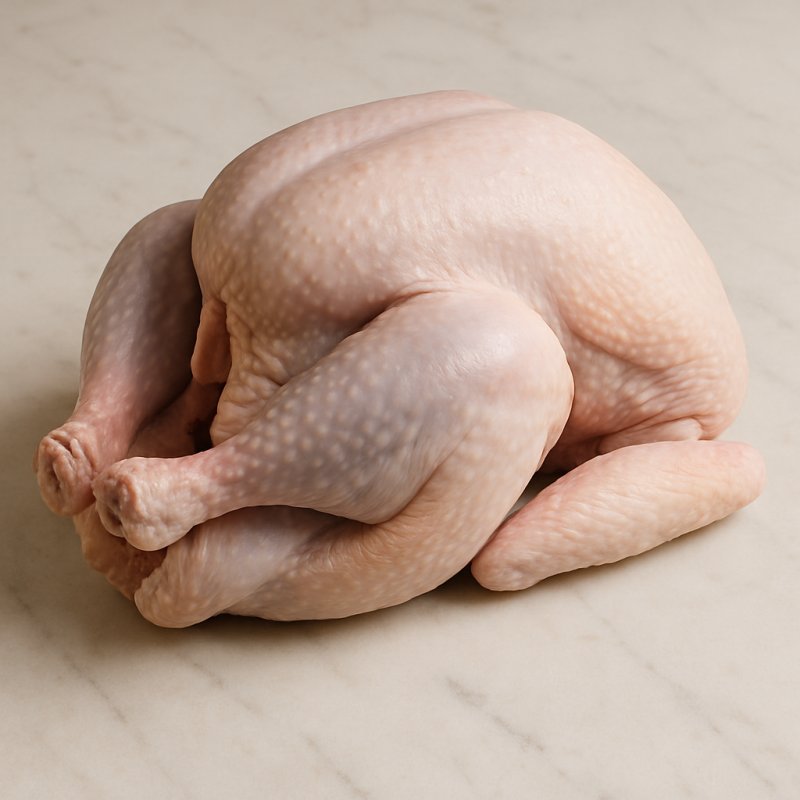
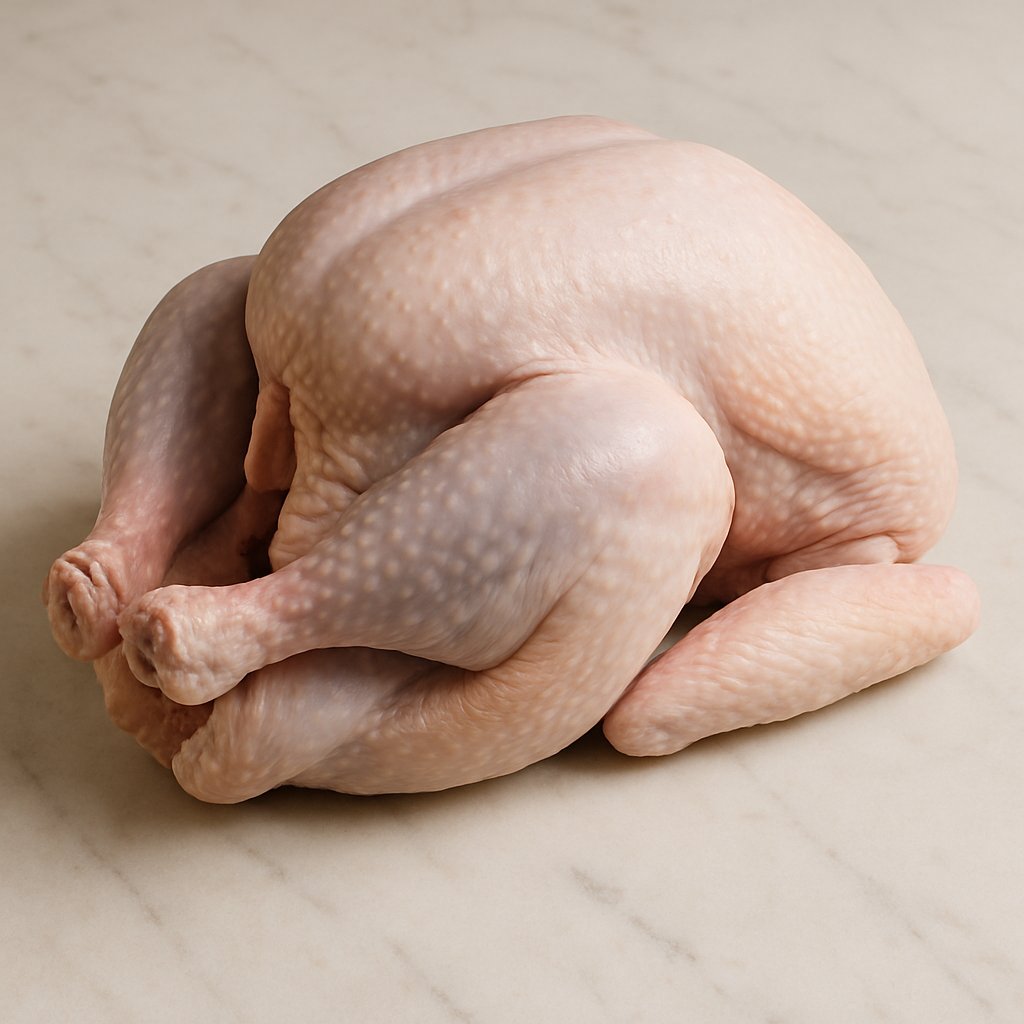
Raw turkey meat on a cutting board
I still remember clearly my first home-roasted turkey: the kitchen filled with aroma, a slightly frantic pace as I sliced into the stuffing, and the reassuring crackle of the skin in the oven. Turkey is for me one of the most wonderful ingredients because it is so versatile. It can be the star of a festive meal or slow down everyday sandwiches when sliced thin. Its versatility has always fascinated me.

What I particularly appreciate about turkey is its neutral yet characterful flavor base. With a few herbs, lemon and butter the breast becomes juicy and aromatic; with a salty marinade and slow low-temperature cooking it attains an almost incomparable tenderness. I learned from friends that the wing bones in a stock slowly develop a wonderful depth. A colleague of mine swears by the skin as a flavor carrier and tames it with honey and mustard until it cracks golden-brown.

Turkey is also a very practical everyday hero. Leftovers can be reused wonderfully: from a quick salad with warm slices to a spicy stew or an autumnal pie. Once, the day after a large family celebration, I turned leftovers into an improvised soup that disappeared within minutes. My guests love such surprising rescue operations.

When choosing, I pay attention to quality. Locally raised birds with transparent rearing conditions give me a good feeling and usually better taste. It's worth experimenting: smoked turkey completely changes the profile, while seasoned ground-meat mixes open up new dishes. I like to try combinations of Mediterranean herbs or Asian flavors because turkey handles many flavorings well.

In the end turkey is for me more than just a holiday roast; it is an ingredient that enables stories, brings people together and fills kitchens with ideas. Whether juicy from the oven or savory in a pan – it remains a reliable, often surprising companion in cooking and eating.

Availability & types

Availability and types of turkey

The turkey is a large bird that many people eat as meat. It originally comes from North America, that is, from the land of the indigenous peoples and early explorers. Long ago people in America kept and ate turkeys. When Europeans came to America in the 16th century, they brought the turkey to other parts of the world, for example to Europe. That is why turkey is found in many countries today.

Where are turkeys raised?

  • North America: The USA and Canada are the largest producers. There are huge farms with many animals there.
  • Europe: There are also turkey farmers in countries such as Germany, France and the United Kingdom. The animals are often kept on smaller farms than in North America.
  • Other regions: Turkey is now also raised in parts of Latin America, Asia and Australia. Production can vary depending on the country – from very large operations to smaller farms.
What varieties and variants are there?

With turkey you can distinguish between different types. You can imagine it a bit like cars: there are different models for different needs.

  • Domestic turkey (bred turkey): These are the animals bred for meat. They grow quickly and yield a lot of meat. Usually they are larger than their wild relatives.
  • Wild turkey: These birds live in nature. They are often leaner and have a slightly darker meat flavor. Some people like wild turkey because it tastes more “wild” and was not raised on a large farm.
  • Organic turkey: Organic here means: the animals live under stricter rules. They usually have more space, receive feed without certain additives and go outside more often. Many people find the taste better and consider organic more important for animal welfare.
  • Free-range or barn rearing: In free-range the birds live outside in green areas, in barn rearing they live indoors, but not in tight cages. These terms indicate how the animals are kept.
  • Poultry cut (breast or leg): When turkey is sold in supermarkets, you often find specific parts: breast (white meat) and legs (darker meat). The breast is usually leaner, the leg juicier.
How easy is turkey to obtain?

In many supermarkets and butcher shops turkey is available all year round, but it is particularly popular at holidays like Thanksgiving in the USA or at special feasts in other countries. Some varieties, such as organic turkey or wild turkey, are rarer and often more expensive. If you are looking for something special, it is worth ordering in advance or checking at the farmers' market.

A simple example: Imagine you want to buy a new bicycle. You can get a normal model all year round, you might have to order a special racing bike, and a bicycle made from biodegradable parts is more expensive and rarer. It's similar with turkeys: some are always available, others are more special and harder to find.

To summarize: turkey comes from North America, is bred worldwide today and is available in different variants – from the large farmed turkey to its wild relative and to organic and free-range forms. Depending on which type you want, it is easier or harder to get and can cost differently.
Details & nutrition

Property Value
Unit g
Calories per 100 135
Protein per 100 29
Carbohydrates per 100 0
Sugar per 100 0
Fat per 100 1.5
Saturated fat per 100 0.4
Monounsaturated fat 0.5
Polyunsaturated fat 0.4
Fiber per 100 0
Vitamin C (mg) per 100 0
Vitamin D (IU) per 100 0
Calcium (mg) per 100 15
Iron (mg) per 100 1.3
Nutri-Score A
CO₂ footprint 5.5
Origin Poultry meat, depending on the product mostly from Europe or North America
Gluten-free Yes
Lactose-free Yes
Nut-free Yes
Vegan No
Note Nutritional values refer to raw, lean turkey breast meat without skin.

Technical & scientific information

Turkey (Meleagris gallopavo) refers to the large domesticated poultry that is kept both as a production breed for meat and consumed as food. From a biological perspective the turkey belongs to the family Phasianidae; the domesticated form descends from wild turkeys of North America. As an ingredient in the kitchen turkey is especially known for its meat quality, its nutrient profile and its versatile culinary applications.

Physical and chemical composition
Turkey meat consists mainly of water, proteins and lipids. The water content typically ranges between 60 and 75 percent, which makes the meat appear relatively juicy if it is not overcooked. Protein content is roughly between 20 and 30 percent and consists of myofibrillar and sarcoplasmic proteins, including actin and myosin. Lipids are found both intramuscularly as visible fat and in the subcutaneous area; their proportion varies by cut and rearing, but is often between 1 and 10 percent in the edible muscle meat.

Nutritional values and constituents
Turkey is a high-quality source of protein with a favourable amino acid profile that contains all essential amino acids. Important micronutrients include:

  • Iron: Found especially in dark meat, it contributes to the formation of hemoglobin.
  • Zinc: Important for immune functions and cell growth.
  • B vitamins: In particular vitamin B3 (niacin), B6 and B12, which are involved in energy metabolism and blood formation.
  • Selenium: Acts as an antioxidant and is important for thyroid hormones.
The ratio of saturated to unsaturated fatty acids is often more favourable compared to red meat, with poultry fat containing more monounsaturated and polyunsaturated fatty acids.

Processing methods
Turkey can be processed in different ways: freshly slaughtered, chilled, frozen, roasted, smoked, cured or turned into meat products such as cold cuts and ground meat. Technological processes like brining, marinating and sous-vide cooking affect water-binding, texture and flavor. Brining increases juiciness through osmosis and protein denaturation, while sous-vide cooking allows precise temperature control, which reduces the degree of protein denaturation and produces more even textures. In industrial processing, temperature control, pH and water activity are decisive for shelf life and microbiological safety.

Microbiology and food safety
As with other poultry, control of pathogenic microorganisms is central. Common microbes are Salmonella spp. and Campylobacter spp., which are inactivated by adequate heating (core temperatures ≥ 74 °C for whole birds, depending on practical guidelines). Hygienic measures along the production chain, cold chain management and HACCP-compliant processes reduce contamination risks. Curing and smoking procedures can inhibit microbial growth, but they alter flavor and texture.

Health aspects
Regular consumption of turkey can contribute to protein supply, the intake of essential micronutrients and a moderate fat consumption. Due to the low proportion of saturated fats in the breast meat, turkey is often considered health-promoting as part of a balanced diet. Allergies to poultry meat are less common than, for example, nut or seafood allergies, but they can occur. Consumers with cardiovascular disease should pay attention to cooking methods and portion sizes, as breading, frying or high-fat sauces significantly increase calorie and fat content.

Ecology and rearing relevance
The environmental impact of turkey rearing depends on feed, stocking density, housing management and regional practices. Production requires land for feed, water and energy as well as emissions (e.g. ammonia). Alternative rearing systems such as free-range or organically certified production affect animal welfare, meat quality and production costs.

In summary turkey is a protein-poor, nutrient-rich ingredient with a variety of preparation and processing options. Scientific knowledge on composition, processing and food safety enables safe and quality-oriented use, while nutritional and rearing aspects should be considered for health and sustainability when selecting and preparing it.

Wiki entry for: turkey
Active now: 17 visitors of which 2 logged-in members in the last 5 minutes