Availability and types of turkey meat
Turkey meat comes from the turkey, a large bird husbanded in a way similar to chickens. Turkeys are raised almost everywhere in the world, especially in countries with extensive agriculture such as the USA, Germany, Brazil or Poland. You can imagine it like this: where there is enough space and feed for the animals, farms that raise turkeys emerge. Some farms are large and have many animals, others are small and family-run.
When it comes to “farming” turkeys, it’s not about plants but about keeping animals. There are different ways turkeys can live. Some live indoors in barns with plenty of space and controlled warmth, others have access to outdoor areas or pastures where they can roam. Animals that can roam outside are often called "free-range" turkeys. Those who pay attention to animal welfare sometimes refer to "organic" husbandry — simply put, this means the turkeys have more space and receive more natural feed.
There are different varieties and cuts of turkey meat you can find in stores. Here is an overview in simple words:
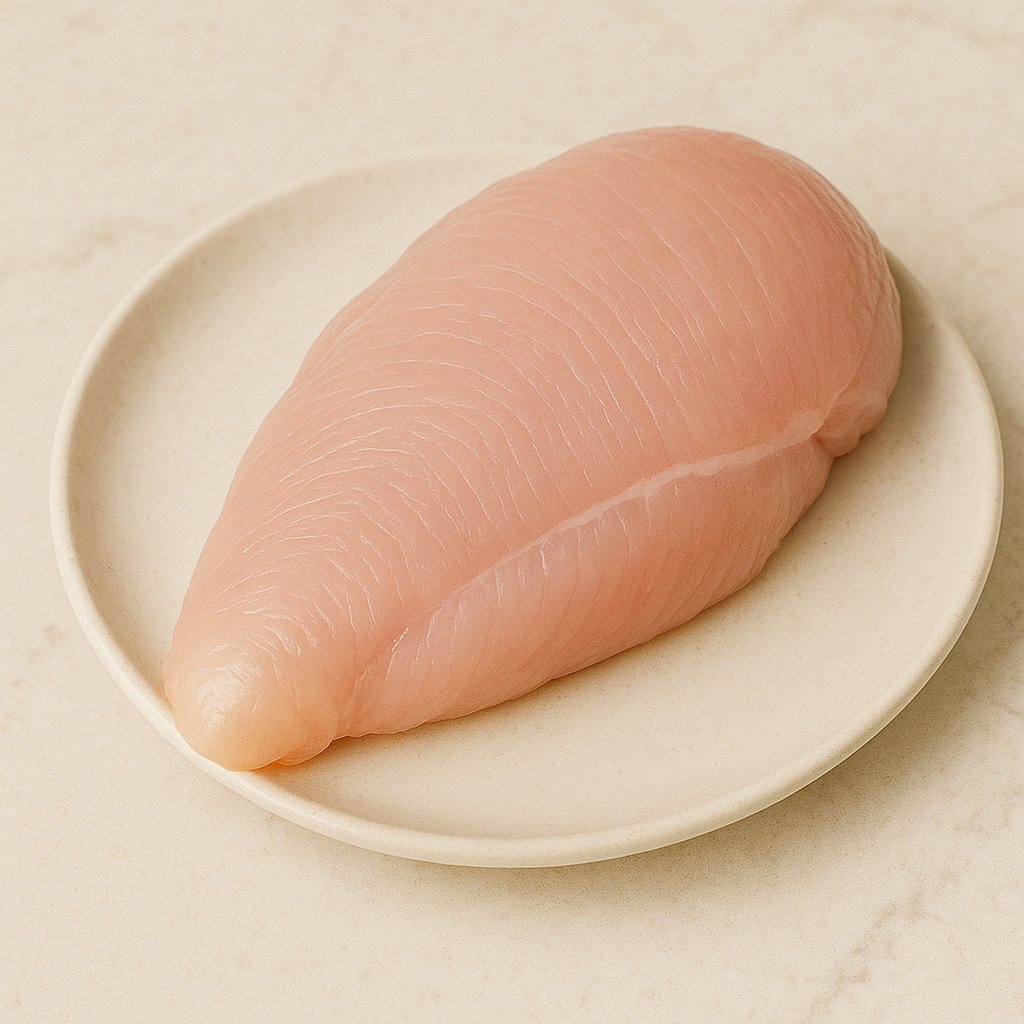
- Fresh turkey breast fillet: This is the light-colored meat from the turkey’s breast. It is lean and well suited for roasting or sandwiches.
- Turkey leg: The darker meat from the legs. It is juicier and often requires longer cooking times.
- Turkey schnitzel: Thinly sliced breast pieces, prepared quickly in a pan — similar to chicken schnitzel.
- Minced meat: Ground turkey meat that can be used for burgers, meatballs or sauces. It is an alternative to beef mince.
- Sausages and cold cuts: Many supermarkets offer sliced turkey breast, turkey sausages or turkey ham. This is convenient for packed lunches.
- Whole turkey: Especially at holidays you can sometimes find a whole turkey for roasting. It is large and often serves several people.
- Ready meals: There are also pre-seasoned or pre-cooked turkey products that only need to be reheated.
When buying you will often see labels explaining where the turkey comes from and how it was raised. Words like "regional" mean the turkey was raised near the shop. "Organic" indicates that strict rules for feed and space have been followed. If something is labeled "without additives" it means fewer artificial substances were used during processing.
Simple comparison: imagine turkeys like different apples. Some apples are small, others large, some sweet, others tart. Likewise, there are many variants of turkeys — from the way they were kept to the part of the body that ends up on your plate. That way you can choose at the store what you like best or what matters to you, for example whether it comes from nearby or whether it was produced in an especially animal-friendly way.
In many supermarkets and butcher shops turkey meat is readily available. Poultry counters, farmers’ markets or organic stores also offer different qualities. If you have questions, shop staff are often happy to help and can tell you where the meat comes from or how best to prepare it. That way you can easily find the right type of turkey meat for your meal.