Menu & categories

Tuna

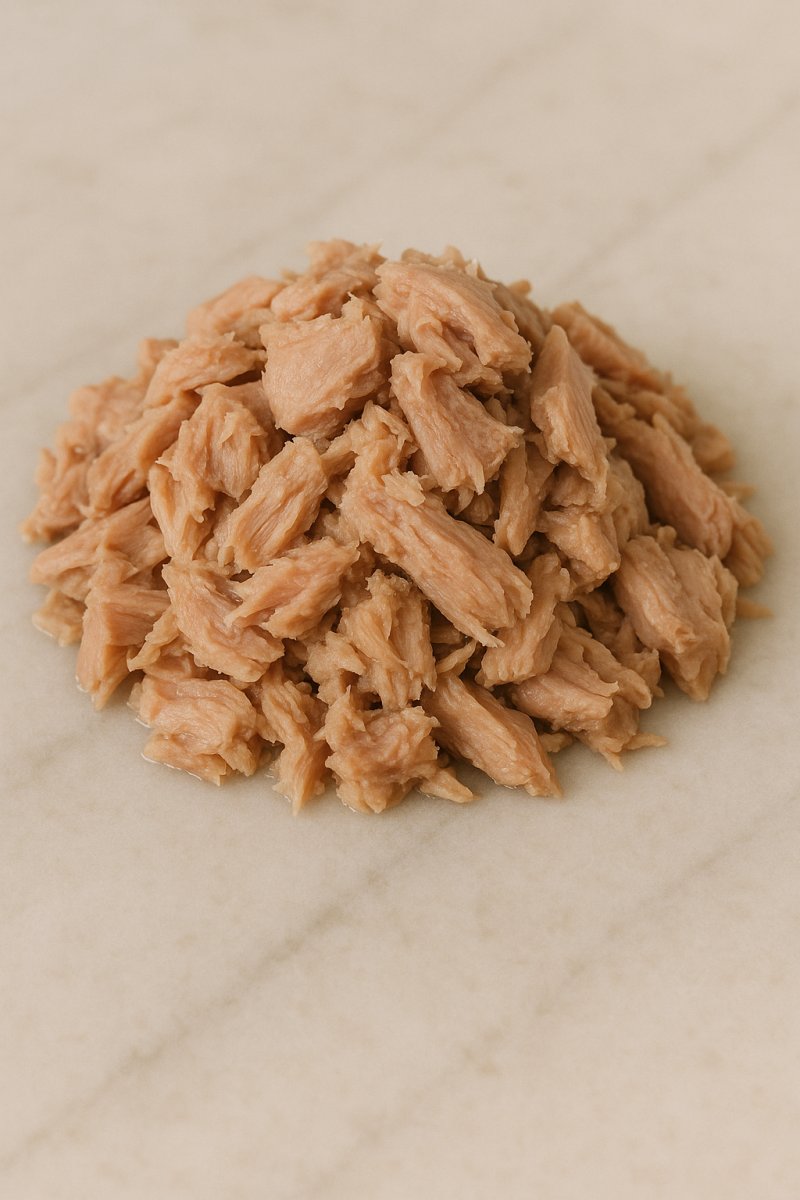
Lean marine fish with high protein content and valuable omega-3 fatty acids

Wiki about tuna Nutri-Score A Vegan No Gluten-free Yes Lactose-free Yes Nut-free Yes
NUTRITION / 100 g
144 kcal 23.0 g Protein 0.0 g Kohlenhydrate 4.9 g Fett

Introduction

Fresh tuna on a cutting board
Tuna is for me an ingredient full of contradictions: sturdy and at the same time tender, everyday yet luxurious. I still remember how, as a young cook, I opened a can for the first time and the salty scent reminded me of distant coasts. Later, during a market visit by the sea, I tried freshly sliced tuna for the first time and was amazed at how different the textures and aromas can be depending on the cut.

What I particularly value about tuna is its versatility. It fits in a quick sandwich just as well as in an elegant main course. In doing so it brings not only flavor but also practical advantages:

  • High in protein: Tuna provides a lot of protein and is therefore a favorite ingredient for quick, filling dishes.
  • Various preparation methods: You can pan-fry it, grill it, enjoy it raw as sashimi or use it straight from the can.
  • Long shelf life (for canned products): Canned tuna is convenient for pantry stocks and spontaneous cooking ideas.
A colleague of mine swears by using tuna in his weekend couscous; he claims it makes the dish "more masculine" – a comment that made us all laugh, but that also shows how strongly tuna can shape dishes. In my kitchen I often add a simple, fresh vinaigrette, a few herbs and crisp vegetables to emphasize the natural richness of the fish.

Of course there are serious aspects as well: sustainability and origin are important. I am constantly learning, ask about fishing methods when buying and pay attention to quality labels. It is reassuring when you hold a can or a fillet in your hand and have a clearer idea of where the fish comes from.

And then there are the small everyday pleasures: a perfectly seared tuna steak with a crispy crust, the golden edges of a pan that I never tire of looking at, or the contented silence at the table when every bite hits exactly the right point between juiciness and bite. For me tuna is therefore not only an ingredient, but a companion of many culinary memories and discoveries.

Availability & types

Availability and types of tuna

Tuna is a fish liked by many people around the world. It lives in the sea and is caught or farmed in different parts of the world. When we talk about availability we mean where tuna can be found and how often it is available. Some varieties are easy to get because they are frequently caught or sold in cans, others are rarer or more expensive.

Origin and fishing areas
Tuna lives in warm and temperate seas around the globe. The best-known fishing areas are:

  • Atlantic: Much tuna is caught here off the coasts of Europe, Africa and the Americas.
  • Pacific: The largest share of the world's tuna comes from the Pacific, especially near Japan, the USA and the Pacific island states.
  • Indian Ocean: There are also large stocks there, important mainly for markets in Asia and Europe.
Some countries have large tuna fleets, i.e. ships specifically equipped for tuna fishing. There are, however, differences: some fisheries fish more sustainably and with methods that harm fewer other species, while other methods can put greater pressure on the seas.

Available species
There are different species of tuna that vary in size, color and taste. The most important are:

  • Skipjack (Bonito): A smaller species often found in cans. The flavor is strong, and it is usually less expensive.
  • Yellowfin tuna (Yellowfin): Larger than skipjack, has lighter flesh and is sold fresh or canned. Often seen as a good balance of flavor and price.
  • Albacore (white tuna): The flesh is lighter and firmer. In cans it is often sold as "white tuna." Many people like its mild texture.
  • Bluefin tuna: Very large and considered particularly tasty, often used raw in sushi. However, it is expensive and in some regions protected because it is rarer.
Forms and variants on the market
Tuna is available in different forms so everyone can buy it in the way they want to use it:

  • Fresh: At the market or supermarket you can buy fresh tuna fillet. It looks like red meat and is suitable for frying, grilling or sushi.
  • Frozen: Sometimes tuna is offered frozen to extend its shelf life.
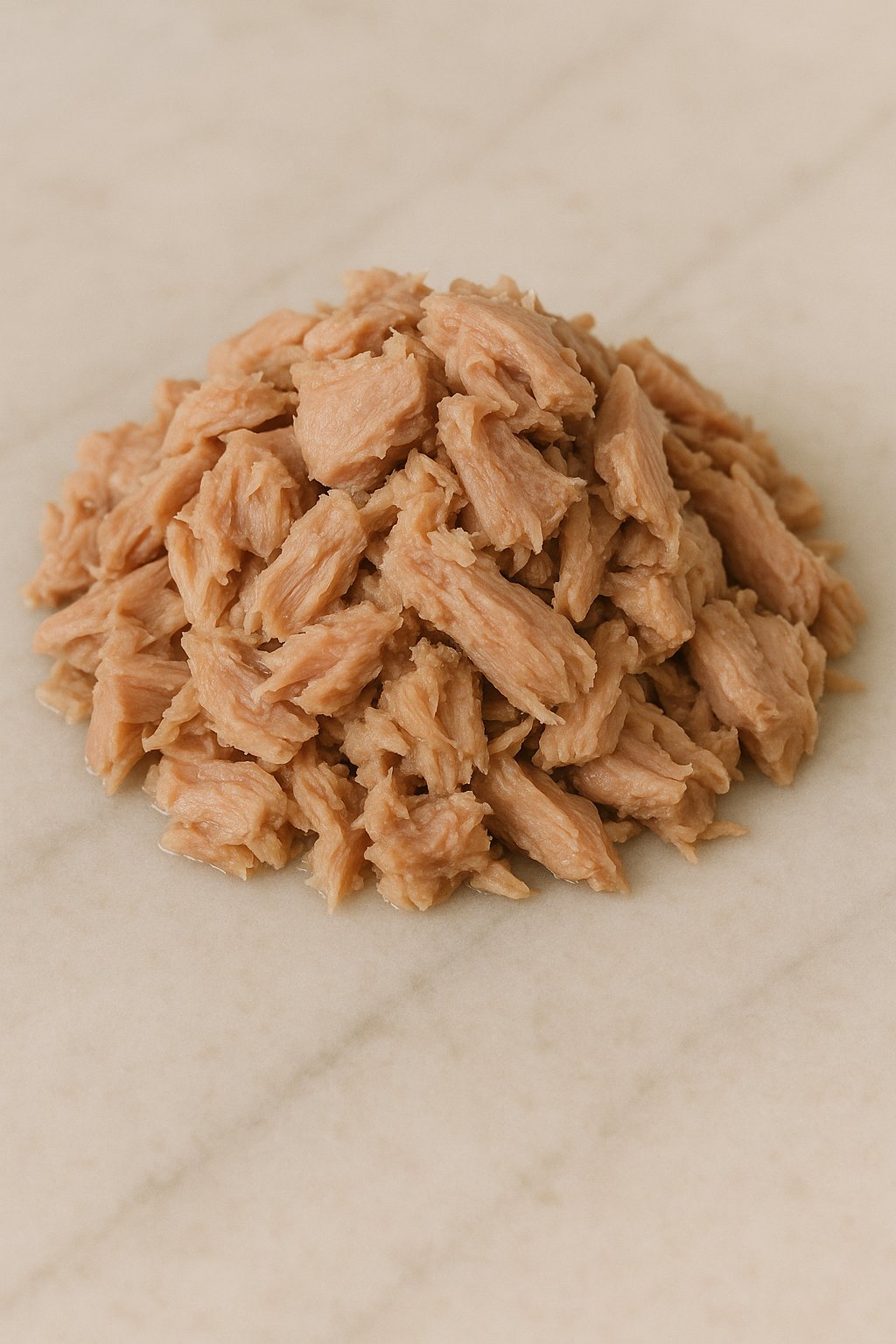
  • Canned: Very common, usually in oil or water. Canned tuna is practical and long-lasting — like a pantry staple.
  • Smoked or marinated: Some varieties are smoked or marinated, which changes the flavor and offers variety.
A simple example for comparison: Imagine tuna varieties are like different apple varieties: some are small and piquant (Skipjack), others are larger and milder (Albacore), and some are rare and particularly expensive (Bluefin). Depending on what you want to cook and how much you want to spend, you choose the appropriate species and form.

Important: When you buy tuna, check the label. It often states where it comes from and whether it was caught sustainably. This way you can not only get delicious tuna, but also help keep the seas healthy. That way you find the right variety and form for your meals and know where your fish comes from.
Details & nutrition

Property Value
Unit g
Calories per 100 144
Protein per 100 23.0
Carbohydrates per 100 0.0
Sugar per 100 0.0
Fat per 100 4.9
Saturated fat per 100 1.3
Monounsaturated fat 1.4
Polyunsaturated fat 1.7
Fiber per 100 0.0
Vitamin C (mg) per 100 0.0
Vitamin D (IU) per 100 240
Calcium (mg) per 100 10
Iron (mg) per 100 1.0
Nutri-Score A
CO₂ footprint 6.0
Origin Marine fish, mostly from tropical and subtropical oceans
Gluten-free Yes
Lactose-free Yes
Nut-free Yes
Vegan No
Note Nutritional values refer to raw tuna without additives; it may contain elevated levels of mercury, so follow consumption recommendations for pregnant women and children.

Technical & scientific information

Tuna (genus Thunnus) refers to several species of large pelagic predatory fishes belonging to the mackerel family (Scombridae) and found worldwide in temperate to tropical seas. Tunas are known for their streamlined body shape, the ability for partial endothermy and their fast, enduring swimming behavior. Ecologically they play an important role as predators in marine food webs and are economically significant for commercial fisheries and aquaculture.

Taxonomy and morphology: Frequently caught species include Thunnus thynnus (bluefin tuna), Thunnus albacares (yellowfin tuna), Thunnus obesus (bigeye tuna) and Thunnus alalunga (albacore/white tuna). Features such as a compact, torpedo-shaped body, a strong caudal peduncle and high-performance musculature allow speeds up to 70 km/h in short sprints. Many species possess an elevated core body temperature enabled by contractile heat conservation in the swimming muscle, allowing higher metabolic rates.

Chemical composition and nutritional values: Tuna flesh consists mainly of water and proteins, contains little connective tissue and relatively variable fat contents depending on species and catch time. Typical nutritional values per 100 g of raw tuna are around 23–27 g protein, 0.5–10 g fat (higher in fattier forms), and virtually no carbohydrates. The fat is rich in polyunsaturated fatty acids, in particular the omega-3 fatty acids EPA (eicosapentaenoic acid) and DHA (docosahexaenoic acid), which show positive effects on cardiovascular health and inflammatory processes. Tuna is also a good source of vitamins (e.g. niacin, B12) and essential minerals such as selenium and phosphorus.

Components of health relevance: Besides valuable nutrients, tuna is known for its content of methylmercury, an organic, bioaccumulating metal in the environment that occurs at higher concentrations especially in higher trophic levels. Long-term intake of large amounts of mercury-contaminated fish can have neurotoxic effects, which is why health authorities give consumption recommendations, particularly for pregnant women and young children. Furthermore, biogenic amines (e.g. histamine) can form in case of inadequate storage and cause scombrotoxic food poisoning.

Processing methods: Tuna is marketed fresh, frozen, as canned goods or frozen as steak or fillet. Industrial processing steps include chilling or immediate blast freezing on board, removal of head and entrails, filleting, and for canned products cooking/steaming, draining, seasoning and preserving in oil, water or broth. Thermal treatment, wet salting, smoking and production of smoked products are also applied. In all processes temperature control and hygiene are crucial to prevent microbial spoilage and the formation of harmful substances.

Safety and quality indicators: Fresh tuna is characterized by firm, elastic muscle, a clean smell and a lively flesh color. Chemical analyses for quality assessment include measurements of free amino acid content, K-value (ATP degradation products to estimate freshness), peroxide and thiobarbituric acid values in fatty products, as well as determinations of heavy metals and histamine. For canned products sterilization parameters and contents of preservation-related components are of interest.

Nutritional and environmental aspects: Regular consumption of tuna can be beneficial for human nutrition, mainly because of high-quality proteins and omega-3 fatty acids. At the same time sustainable use is critical: many tuna stocks are threatened by overfishing, and fishing methods such as purse seining or longlining cause bycatch (e.g. sea turtles, sharks, seabirds). Certifications and management measures (quotas, seasonal closures, more selective gear) serve to regulate stocks and reduce side effects.

Overall, tuna is a nutritionally valuable food with specific dietary benefits and at the same time associated ecological and toxicological issues that must be considered in production, trade and consumption.

Wiki entry for: tuna
Active now: 12 visitors of which 2 logged-in members in the last 5 minutes