Menu & categories

Tofu

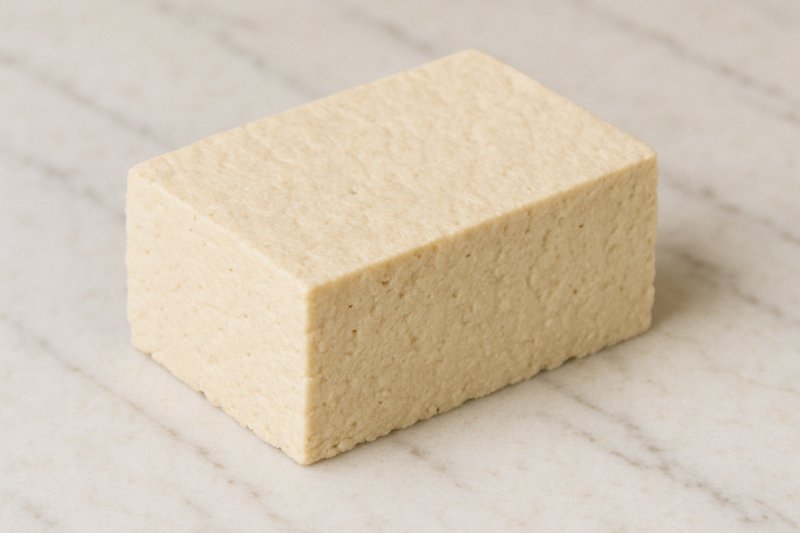
Protein-rich meat substitute made from soybeans

Wiki about tofu Nutri-Score A Vegan Yes Gluten-free Yes Lactose-free Yes Nut-free Yes
NUTRITION / 100 g
144 kcal 15 g Protein 1.9 g Kohlenhydrate 8 g Fett

Introduction

A block of tofu on a wooden board, sliced
Tofu excited me from the first skeptical forkful. I clearly remember my first attempt when I was invited to a friend's for dinner and she served a simple pan dish: golden-brown tofu, crispy on the outside and tender inside. I had not expected that. Since then tofu has become a constant companion in my kitchen, a chameleon among ingredients that adapts to flavors, textures and moods.

What I love about tofu is its versatility. It can turn into a savory breakfast, a creamy dessert or a light lunch. In my drawer I always keep several kinds: silken for sauces and desserts, firm for frying and extra-firm for grill skewers. A colleague of mine swears that perfectly pressed tofu is the secret of every good bowl, and after some experiments I can only agree.

Tofu is not only convenient but also surprisingly nutritious. It provides plant protein, important minerals and little saturated fat. I used to think it was boring; today I find it especially exciting because it demands culinary craft: seasoning, pressing, marinating, choosing the right heat. Once I ruined a tofu curry because I seasoned it too early — a lesson in patience that now rivals any fermentation course.

Recipe ideas come easily off the cuff:

  • Marinated, pan-fried tofu with sesame and spring onions
  • Silken tofu in chocolate mousse with berries
  • Crispy tofu strips for salads or sandwiches
For me tofu remains an expression of creativity and sustainability. It doesn't require a strict ritual, but joy in experimenting. When I have guests I like to surprise them with a tofu variation that appeals not only to vegans. Sometimes it is precisely this unexpectedness that lingers longest: a dish that washes away prejudices and creates new taste memories.

Availability & types

Availability and types of tofu

Tofu is a food made from soybeans that is popular in many parts of the world. The soybeans originally come from East Asia, especially China, Japan and Korea. Today soybeans are also grown in many other countries, for example Brazil, the USA and parts of Europe. Where agriculture is possible and the climate is suitable, the beans grow well. This means: nowadays you can find tofu almost everywhere — in supermarkets, organic shops, Asian stores and sometimes even at the weekly market.

Tofu comes in different varieties that differ in texture, water content and flavor. You can think of these varieties like different kinds of cheese: some are soft like fresh cheese, others are firm and slice well like gouda. The main types are:

  • Silken tofu (soft tofu): This tofu is very soft and creamy, almost like thick yogurt. It is suitable for soups, smoothies, desserts or as a sauce thickener. It falls apart easily, so it is not ideal for frying.
  • Soft tofu: Slightly firmer than silken tofu, but still tender. It can be used in pan dishes if stirred gently.
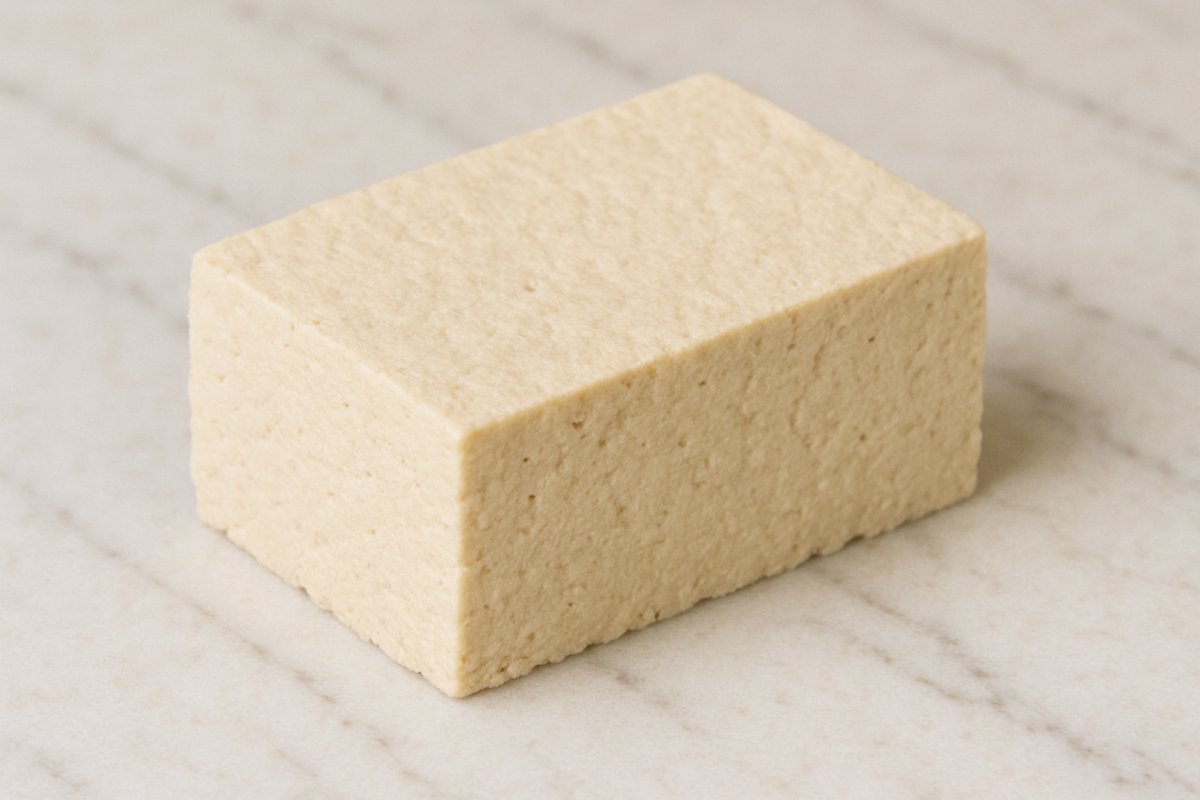
  • Firm tofu: This tofu contains less water and is therefore more stable. It is suitable for dicing, frying, grilling or cutting into strips. Many tofu dishes use this variant because it retains shape and bite.
  • Extra-firm tofu: Very compact and almost dry. It resembles a firm piece of meat or cheese. Perfect if you like tofu crispy in the pan or for grilling.
  • Smoked tofu: This tofu has been lightly smoked, giving it a strong aroma reminiscent of smoked cheese or ham. Good as a sandwich topping or in savory cooking.
  • Marinated tofu: Pre-seasoned or soaked in sauce. It saves time because the tofu already has flavor and can be used immediately.
  • Fermented tofu: Sometimes you can also find fermented tofu — this means small microorganisms have somewhat “pre-tasted” it. It often has a strong flavor and is used like a seasoning paste.
Besides firmness variants, there are also differences in production and composition:

  • Organic tofu: From soybeans grown without chemicals. For people concerned with environmental or health issues.
  • Non-GMO: In some regions attention is paid to soybeans not coming from genetically modified plants.
  • Locally grown tofu: In Europe and Germany tofu is sometimes made from local soybeans. This is good for the region and shorter transport routes.
  • Tofu based on other beans or nuts: Sometimes there are similar products made from peas or almonds that can be used like tofu.
How easily you find tofu depends a bit on where you live. In big cities there are usually many varieties in the supermarket; in rural areas there may be less choice, but often good regional products at the market. A simple tip: if you try tofu for the first time, choose a medium-firm variety — with that you can try a lot: fry, bake, grill or add to soups.

In summary: tofu comes from soybeans grown in many parts of the world. It ranges from very soft to very firm, plain, marinated, smoked or organic. So you can find a suitable type of tofu for almost every dish — like a toolbox where there is the right tool for each task.
Details & nutrition

Property Value
Unit g
Average weight per piece 200
Calories per 100 144
Protein per 100 15
Carbohydrates per 100 1.9
Sugar per 100 0.7
Fat per 100 8
Saturated fat per 100 1.2
Monounsaturated fat 1.9
Polyunsaturated fat 4.4
Fiber per 100 0.3
Vitamin C (mg) per 100 0
Vitamin D (IU) per 100 0
Calcium (mg) per 100 350
Iron (mg) per 100 5.4
Nutri-Score A
CO₂ footprint 2.0
Origin Asia, produced worldwide
Gluten-free Yes
Lactose-free Yes
Nut-free Yes
Vegan Yes
Note Nutritional values refer to plain, firm tofu; seasoned or marinated varieties may differ.

Technical & scientific information

Tofu is a plant-based food produced by coagulating soy milk. Originating in China about 2,000 years ago, tofu consists mainly of the protein content of the soybean; it is offered in various consistencies, from silken to firm. The basic components are water, soy proteins, soy fat and small amounts of carbohydrates as well as minerals and vitamins, although the exact nutrient content varies depending on manufacturing method and tofu type.

Chemical composition and nutritional values
On a dry basis soy protein consists of the storage proteins glycinin and β‑conglycinin, which are responsible for binding and structure in tofu. In 100 grams of firm tofu there are typically 8–17 g protein, 4–9 g fat and 1–2 g carbohydrates; the water content is usually 70–85%. The fatty acid composition is predominantly unsaturated, with linoleic acid (omega‑6) and alpha‑linolenic acid (omega‑3) as the main components. Tofu also provides calcium, iron and magnesium and, when coagulated with calcium salts, increased calcium ions.

Manufacturing process
Production is divided into several steps: soaking and grinding the soybeans to obtain the raw soy, heating to denature antinutritional factors, filtering to separate okara (fiber residue), cooking the soy milk and subsequent coagulation by adding coagulants. Common coagulants are calcium sulfate (gypsum), magnesium chloride (nigari) and organic acids such as citric acid. The choice of coagulant influences texture, mineral content and flavor. After coagulation the protein curds are pressed to remove excess water; the duration and pressure of pressing determine the final consistency.

Physical properties
Tofu firmness is created by a network of denatured, aggregated soy proteins stabilized by ionic interactions and hydrogen bonds. Temperature and pH control protein aggregation; near the isoelectric point of soy proteins (pH ≈ 4.5) coagulation is particularly effective. Texture can be influenced by adding stabilizers, modifying pressing parameters or by microstructural treatments such as texturizing.

Nutritional aspects
Tofu is a high-quality plant protein source and contains all essential amino acids in a favourable ratio for a plant food. Consumption is associated with positive effects on cardiovascular health, as replacing saturated animal fats with unsaturated soy fats is beneficial. Isoflavones, secondary plant compounds of soy (mainly genistein and daidzein), show hormone-modulating and antioxidant effects in studies; clinical relevance is complex and depends on dose, lifestyle and individual metabolic variants.

Safety and processing issues
Raw soybeans contain trypsin inhibitors and other antinutritional factors that are reduced by heating. Industrially produced tofu is generally safe to consume. Soy allergies are possible and can cause allergic reactions up to anaphylaxis. Improper storage can also lead to microbiological risks; therefore refrigeration and observing the best-before date are important.

Applications and culinary properties
Tofu is mild to slightly nutty in flavor and absorbs aromas well, making it versatile: raw in silken form, fried, grilled, marinated or processed into desserts. Its functional properties — emulsifying, binding and water-holding capacity — also make it attractive in food technology.

In summary, tofu is a technically and nutritionally interesting product: its proteins form structural networks through targeted coagulation and pressing that allow different textures; nutritionally it offers a high-quality plant protein source with a favourable fatty acid profile and bioactive isoflavones. Production parameters, choice of coagulant and processing steps largely determine nutrient content, mineral levels and sensory properties of the final product.

Wiki entry for: tofu
Active now: 20 visitors of which 2 logged-in members in the last 5 minutes