Availability and types of thyme
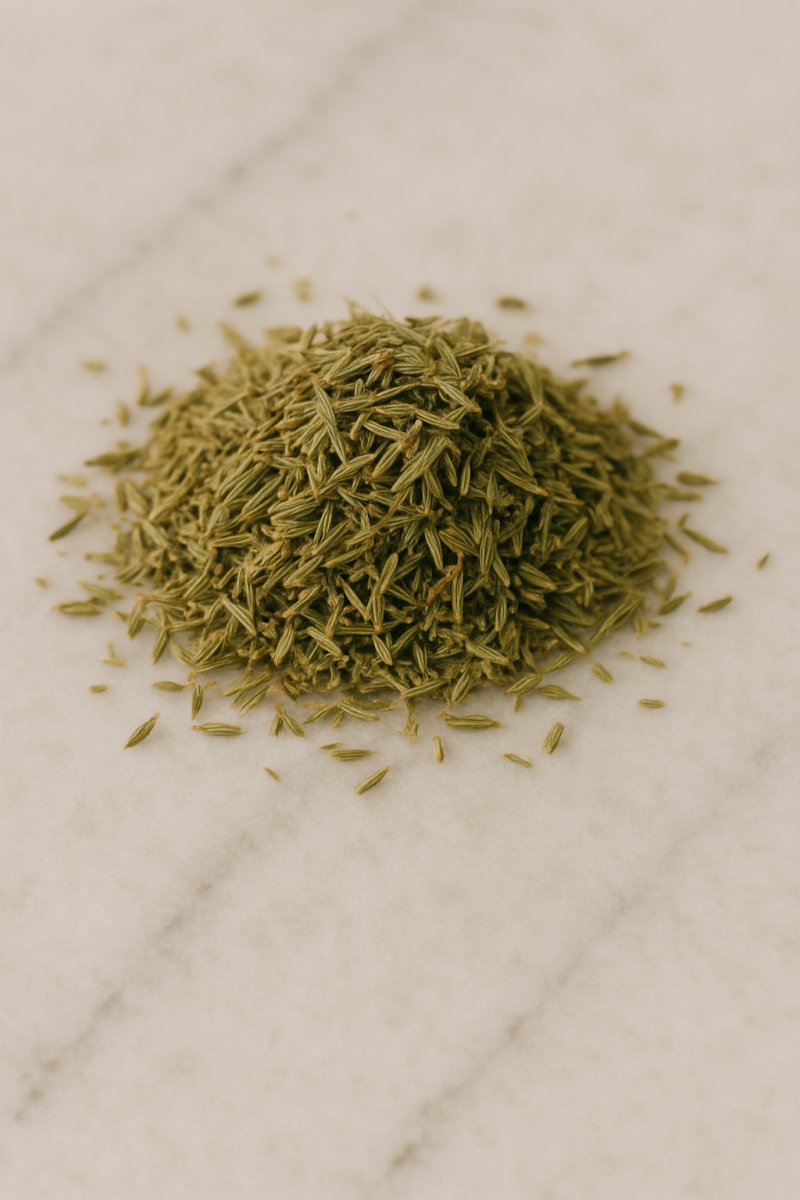
Thyme is a small aromatic herb that makes many dishes tasty. It grows in many countries and is usually available year-round. You can find thyme fresh in supermarkets, at markets or as a potted plant, and dried in jars or bags. Fresh thyme has green, soft leaves and smells very intense, while dried thyme lasts longer but is somewhat milder in aroma. You can also keep fresh thyme in a pot at home – then you always have some on hand, similar to a windowsill herb.
Origin and cultivation areas
Thyme originally comes from the Mediterranean. There the climate is warm and dry, which suits the plant. Today thyme is grown not only there but also in many parts of Europe, North Africa and North America. In fields and gardens thyme grows best on sunny, rather dry soils. Farmers often plant it in rows, and hobby gardeners like to place it in herb beds or in pots on the balcony. You can think of it this way: thyme loves the sun like ice cream on a sunny day – the more sun, the better it feels.
Available varieties and types
- Common thyme (Thymus vulgaris): This is the best-known variety, the one most often found dried on the spice shelf. It has a strong flavor that goes well with meat, soups and stews.
- Lemon thyme: This variety smells a bit of lemon and is great with fish, salads or in tea. You can also have it as a scented plant in the garden.
- Roman thyme: It is milder and aromatic, but not as strong as common thyme. Well suited when you want a lighter flavor.
- Mountain thyme: This thyme grows at higher altitudes and often has an intense, slightly spicy flavor. It is often used in herb blends.
- Dwarf or creeping thyme: These small varieties grow low and are often used as ground cover in the garden. They bloom nicely and also smell of thyme.
Aside from the variety names there are two main forms in which you can buy thyme:
- Fresh thyme: It is usually sold in bunches or offered as a potted plant. Fresh tastes particularly intense and is suitable when you want to add herbs at the end of cooking.
- Dried thyme: It is longer lasting and practical when you don't have fresh herbs on hand. When drying thyme it loses some water and therefore smells more concentrated, but the flavor changes slightly.
When you buy thyme, look for clean, green leaves without brown spots. In pots you can regularly cut a few sprigs – it's like trimming a houseplant: the more you harvest, the bushier it grows back. Overall thyme is very versatile and popular in many kitchens worldwide because there are so many varieties and forms and it is easy to obtain.
