Menu & categories

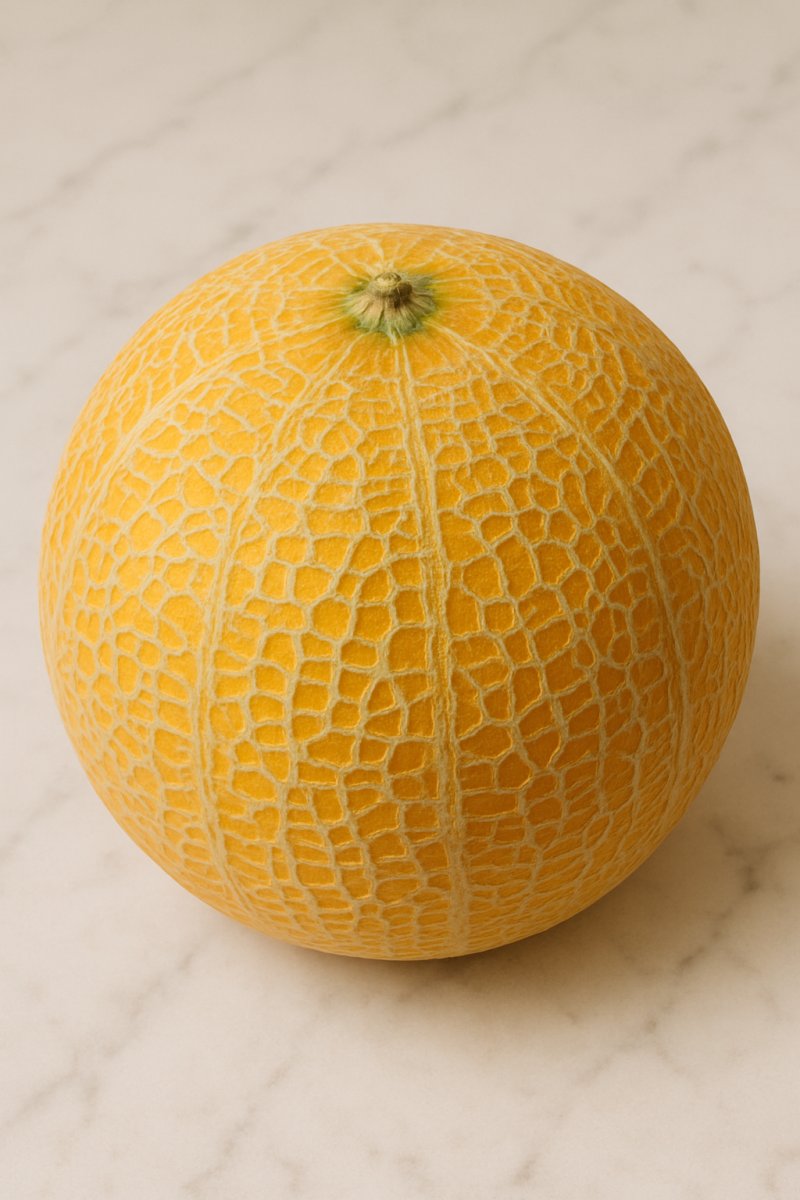
Sugar melon

Juicy, sweet-aromatic melon with high water content

Wiki about honeydew melon Nutri-Score A Vegan Yes Gluten-free Yes Lactose-free Yes Nut-free Yes
NUTRITION / 100 g
34 kcal 0.8 g Protein 8.2 g Kohlenhydrate 0.2 g Fett

Introduction

Fresh sliced sugar melon
I still clearly remember the first summer when I sliced a cantaloupe and inhaled its scent: a sweet, floral whisper that immediately brought back memories of long midday hours on the balcony. The cantaloupe, often with its finely patterned rind and buttery, almost melting flesh, is to me a true summer messenger. As soon as I taste the first piece, the sun seems brighter, even when gray clouds hang outside.

What fascinates me about the cantaloupe is its versatility. It is not only enjoyable on its own but pairs surprisingly well with savory elements. Once, at a small barbecue, I combined melon slices with Serrano; the salty, air-dried ham stood up to the first bite, and the contrast of sweet and salty caused cheers at the table. Such contrasts make the cantaloupe a favorite ingredient when I want to serve something particularly light yet refined.

I have simple rules in mind that help with selection and storage: a ripe cantaloupe feels heavy, the rind yields barely to slight pressure and gives off a sweet scent at the blossom end. If I leave a melon in the basket, I make sure to cut it shortly before eating, because that keeps the texture juicy and fresh. Once opened I store it airtight in the refrigerator — this preserves the burst of flavor for several days.

Culinary uses for cantaloupe are many. Popular ways to use it include:

  • As a refreshing snack on its own, served in wedges or scooped into balls
  • In salads, combined with cucumber, mint and goat cheese
  • As a base for sorbets or light summer drinks
  • Baked or grilled, drizzled with honey or balsamic vinegar
Sometimes I think of how a colleague once brought a melon gazpacho and enchanted the lunch break; we all stood with spoons and were surprised at how versatile this seemingly simple fruit can be. For me the cantaloupe remains a symbol of carefree summer days, easy-going togetherness and delicious kitchen experiments. Every time I cut one open, I look forward to the first bite — and the little surprises that follow.

Availability & types

Availability and types

The cantaloupe is a sweet melon that you can find in many supermarkets, at weekly markets and in summer also from farmers. Originally the melon comes from warm regions such as Central Asia and Africa. There the first wild melons grew long ago. Today cantaloupes are cultivated in many parts of the world, especially where it is warm and sunny. That means: countries around the Mediterranean, parts of North and South America, Australia and many parts of Asia.

Because melons like warmth, in cooler countries fresh field-grown or greenhouse cantaloupes are usually available only in summer. In supermarkets you can find imported fruit year-round — these were harvested further away and brought to you. It's similar to bananas: they grow where the climate fits and then travel to other countries so we can buy them.

Main growing regions (plainly explained)

  • Mediterranean: Countries like Spain, Italy and Greece grow many melons. There it is warm and sunny — exactly what melons need.
  • USA: Especially in states with warm climates, for example California and Florida, there are large melon fields.
  • Latin America: In countries such as Mexico and Brazil many melons are also grown for export.
  • Asia: China is one of the largest producers of melons worldwide.
Available varieties and types

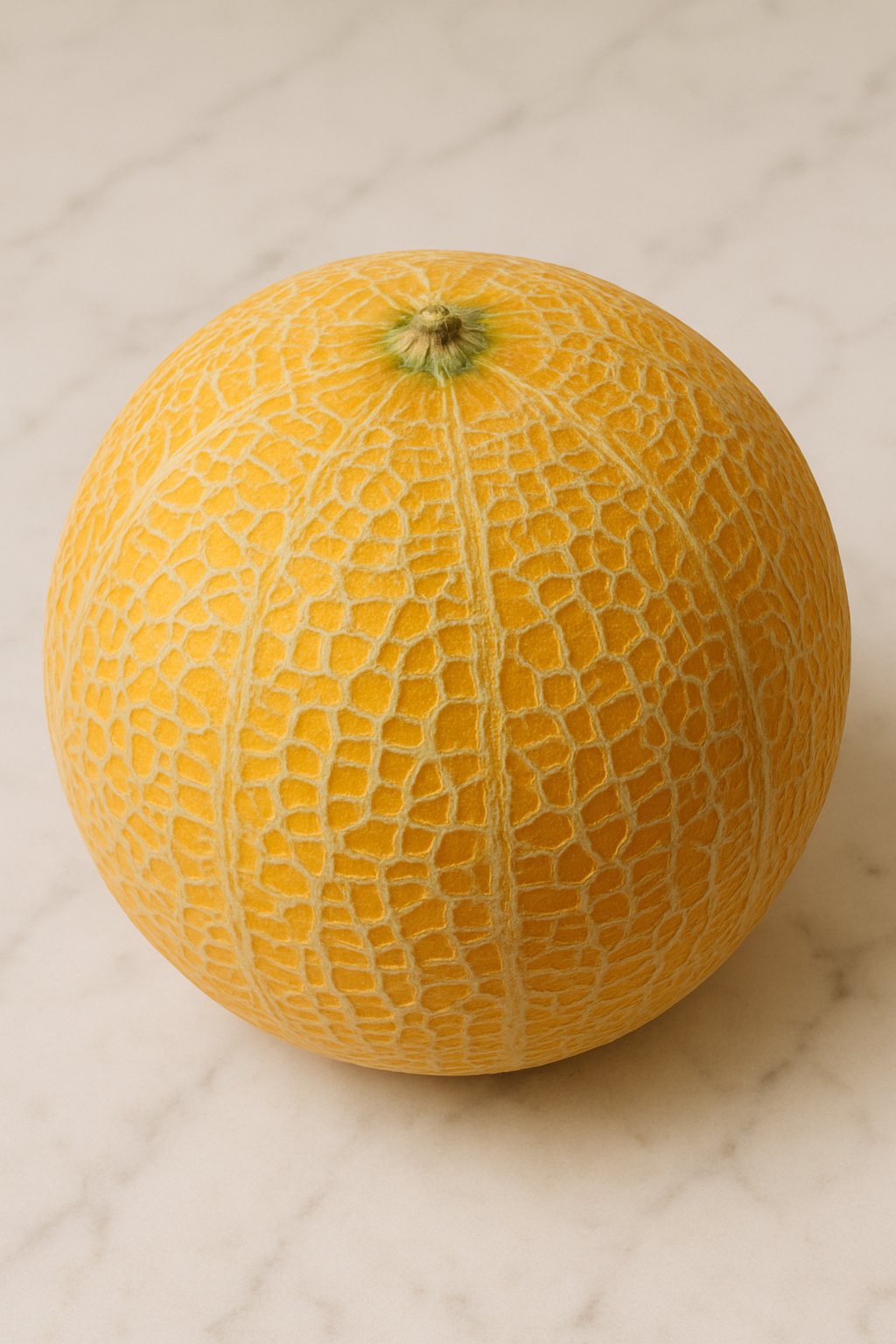
There are many different varieties of cantaloupe. Some are round, others more oval. The rind can be smooth or slightly netted — that's the pattern on the skin. Inside the flesh is usually orange or yellow, in some varieties even greenish. Here are some typical varieties, described as if for a child:

  • Cantaloupe: This melon normally has a netted skin and bright orange flesh. It tastes very sweet and often has a strong aroma — like a sweet flower meadow.
  • Galia: A smaller, round melon with slightly netted skin. The flesh is often pale green to yellow and is also sweet.
  • Honeydew: Not to be confused with honey — it does not contain honey, it is called that because it is particularly sweet. It is usually oval and has smoother skin.
  • Charentais: A French variety, rather small and very aromatic. It has an intense aroma that you can smell before cutting into it.
Some melons are specially bred to be longer-lasting or more robust for transport. This is useful when they have to travel far before reaching the supermarket. Other varieties are bred to be particularly sweet or particularly juicy. Breeders are like cooks who try to find the best mix of taste, appearance and shelf life.

Season tip and selection in the store

If you want to choose a good cantaloupe in the store, watch for a few simple things: it should feel heavy for its size (that means: a lot of juice inside), the rind should not have large pressure marks, and it should give off a slight sweet smell when you approach it. In summer, fresh local melons are often the best: they have not been transported so far and are therefore often more flavorful.

In summary: cantaloupes prefer warm regions, there are many varieties with different shapes, colors and flavors, and depending on the season and origin you can find them fresh in summer or imported year-round in trade.
Details & nutrition

Property Value
Unit g
Average weight per piece 1200
Calories per 100 34
Protein per 100 0.8
Carbohydrates per 100 8.2
Sugar per 100 7.8
Fat per 100 0.2
Saturated fat per 100 0.05
Monounsaturated fat 0.03
Polyunsaturated fat 0.08
Fiber per 100 0.9
Vitamin C (mg) per 100 36
Vitamin D (IU) per 100 0
Calcium (mg) per 100 7
Iron (mg) per 100 0.2
Nutri-Score A
CO₂ footprint 0.6
Origin Mainly Mediterranean region, southern and central Europe
Gluten-free Yes
Lactose-free Yes
Nut-free Yes
Vegan Yes
Note Nutritional values refer to raw flesh without rind and seeds; high water content, refreshing and low in calories.

Technical & scientific information

Cantaloupe (Cucumis melo var. cantalupensis/reticulatus) is a cultivated form of the cucurbit family (Cucurbitaceae) and is botanically assigned to the species Cucumis melo. It is bred in different cultivars that vary in fruit size, rind structure and flesh color. The term "cantaloupe" refers to the comparatively high content of readily available carbohydrates and the sweet taste of the ripe fruit.

Macro- and micronutrients
Fresh flesh consists of about 85–90 percent water. The water-free dry matter is composed mainly of carbohydrates (primarily simple sugars such as glucose, fructose and sucrose) and small amounts of polysaccharides. Typical nutritional values per 100 g of fruit are around 30–40 kcal, 7–9 g carbohydrates, 0.5–1 g protein and <0.5 g fat. Micronutrients include vitamin C (ascorbic acid) in moderate amounts, provitamin A (as beta-carotene) in orange flesh, as well as minerals such as potassium, magnesium and trace amounts of calcium and iron.

Phytochemistry and secondary plant compounds
Cantaloupes contain antioxidant compounds including carotenoids (beta-carotene, lutein) and various phenolics. Cucurbitacins, which occur in cucurbits, are generally reduced to low concentrations in cultivated varieties because higher levels taste bitter and can cause undesirable effects. The fruit rind contains higher concentrations of bioactive compounds and fibers compared to the flesh.

Physiology of ripening
The sweetness of the cantaloupe increases during ripening due to hydrolytic conversions of longer-chain carbohydrates into free sugars; enzymes such as invertase and amylases catalyze these processes. At the same time color and aroma change due to chlorophyll breakdown and the release of volatile compounds such as esters, aldehydes and terpenes, which create the characteristic melon aroma. Ripening is dependent on temperature, light and ethylene; many varieties are climacteric to varying degrees and show an increase in ethylene-mediated metabolic activity.

Technological processing
Cantaloupes are consumed fresh but are also processed into juices, smoothies or frozen products. Because of the high water content, technological processes require preservation measures: pasteurization of juices, use of ascorbic acid as an antioxidant and pasteurization or high-pressure processing (HPP) to reduce microbial load while preserving sensitive aroma compounds. Drying is possible but greatly reduces the volatile aroma profile. For canned products special attention must be paid to microbiological stability because of the high water content and neutral pH.

Food safety and quality
Quality criteria include sugar content (Brix value), aroma intensity, texture and microbiological safety. Surfaces and rinds can be microbiologically contaminated, so thorough washing is recommended. Cutting surfaces increases the spoilage rate because exposed cells are colonized more quickly by microorganisms and suffer oxidative damage. For storage, temperature (cool, 4–10 °C) and relative humidity are relevant to minimize water loss and rot.

Health aspects
Cantaloupe is well tolerated and provides mainly fluid and micronutrients at low energy density, which makes it suitable for calorie-conscious diets. The relatively high fruit sugar content should be considered in diabetes mellitus; portioned intake within the total carbohydrate plan is advisable. Allergic reactions are rare but can occur due to cross-reactions with other Cucurbitaceae or in pollen-allergic individuals. The contribution of fiber is low; nevertheless the water and electrolyte content promotes hydration.

Summary
Cantaloupe is a water-rich, sweet fruit with a nutrient profile made up mainly of readily available sugars, vitamin C, provitamin A and minerals. Its ripening and aroma are based on enzymatic conversions and the formation of volatile compounds. In food technology, cantaloupe-based products require controlled preservation procedures, and temperature and humidity are critical during storage. From a nutritional perspective the fruit provides hydration and micronutrients at low energy density while the sugar content should be taken into account in specific dietary situations.

Wiki entry for: honeydew melon
Active now: 18 visitors of which 2 logged-in members in the last 5 minutes