Menu & categories

Strawberry pudding

Creamy pudding with strawberry flavor as a dessert

Wiki about strawberry pudding Nutri-Score C Vegan No Gluten-free No Lactose-free No Nut-free Yes
NUTRITION / 100 g
95 kcal 3.0 g Protein 16.0 g Kohlenhydrate 2.0 g Fett

Introduction

Bowl of creamy strawberry pudding
I still clearly remember the first spoonful of strawberry pudding I tried as a child: velvety, sweet and with that unmistakable fruity scent that immediately summoned summer. Since then the ingredient strawberry pudding has stayed with me, because it is so wonderfully versatile. You can enjoy it plain, with a dollop of cream, as a filling for cakes or as an uncomplicated snack in between. For me, strawberry pudding connects the carefreeness of a holiday afternoon with the cozy warmth of a kitchen where someone is making something very simple but lovable.

What I particularly value about strawberry pudding is its versatility. It can be prepared quickly, doesn't heat up the kitchen and still offers a taste reminiscent of fresh strawberries, even when it's not the season. I've taken it on trips, layered it in desserts and even mixed it into breakfast yogurt. A colleague of mine was once skeptical until I handed him a small bowl — after that it was gone and he came back asking for the recipe.

Practical advantages I keep noticing:

  • Quick to prepare: Usually only a few minutes and a few ingredients are enough.
  • Adaptable: Can be made with milk, plant-based drinks or as a vegan variant.
  • Long shelf life: In the refrigerator it remains edible for several days and is good for preparing in advance.
Of course there are nuances: the balance between sweetness and fruit is decisive, and I make sure never to make it too dominant so that the strawberry note stays fresh. When I have guests, I like to serve strawberry pudding in small jars, garnished with mint leaves or crunchy almond flakes — that provides textural contrast and looks pretty. A friend swears by folding in a few crushed fresh strawberries; that elevates the flavor to a new level.

For me, strawberry pudding remains one of those ingredients that simply make you happy: uncomplicated, reliable and versatile. It is the sweet solution for many occasions, a small comfort patch or the festive finale of a successful meal. Every time I spoon it I think of warm afternoons, good company and the many small culinary stories we share.

Availability & types

Availability and types of strawberry pudding

Strawberry pudding is a popular ingredient or dessert that comes in many different forms. Although the name suggests fresh strawberries, strawberry pudding can be made in various ways. You can find it almost everywhere: in supermarkets, at the bakery, in the dessert section of cafés or homemade in the kitchen. It is especially in demand in spring and summer, because fresh strawberries are in season then and everything is allowed to taste like strawberries.

Origin
Strawberry pudding does not have a single region of origin like a specific dish, because it is a combination of pudding and strawberry flavor. The idea of making fruit puddings exists in many countries. In the past, people who had fresh strawberries used milk, sugar and starch or gelatin to cook a soft, sweet pudding. Today, in addition to fresh strawberries, strawberry purée, syrup or powder are also used.

Strawberry growing regions
Since fresh strawberry pudding often contains strawberries, it's useful to know where strawberries are grown. Strawberries are grown almost everywhere where it is warm enough and sunny. Important growing areas include:

  • Europe: Countries like Spain, the Netherlands or Germany produce many strawberries for supermarkets in Europe.
  • North America: The USA and Canada have large strawberry fields, especially in warmer states like California.
  • Asia: Countries like China are also large strawberry producers.
When strawberry pudding is sold in the supermarket, the strawberries sometimes come from nearby and sometimes are imported from other countries. Seasonal, locally grown strawberries are often sweeter and juicier.

Available types and variants
Strawberry pudding exists in many variants. Here are the most common types, explained as for a 12-year-old child:

  • Fresh strawberry pudding: Made with real, fresh strawberries. This variant tastes very fresh and natural, similar to a strawberry cake, just softer.
  • Frozen strawberry pudding: Ready-made, frozen and later thawed. Ideal if you want to keep pudding in stock.
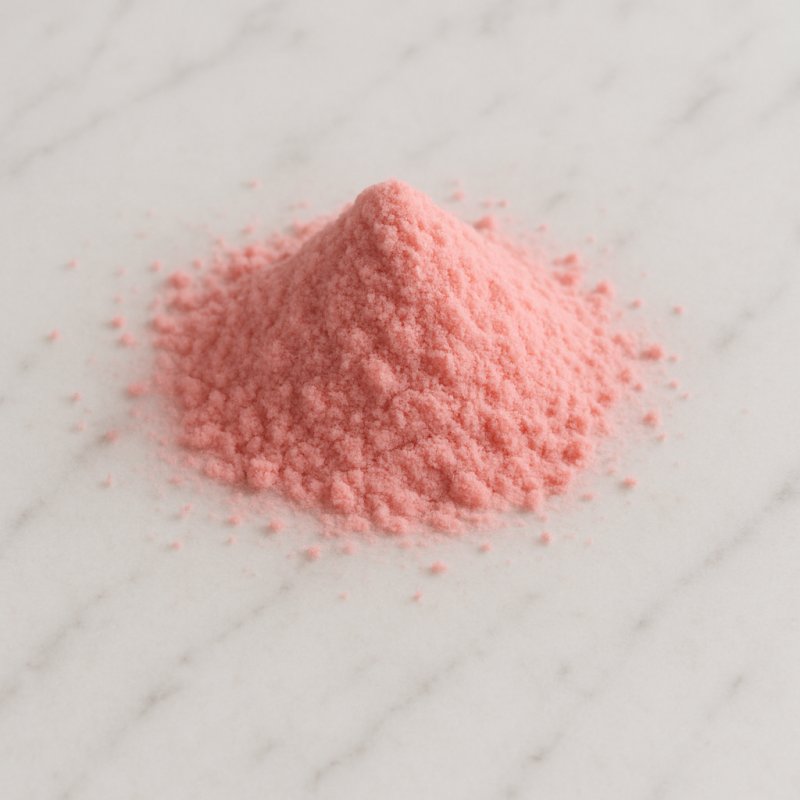
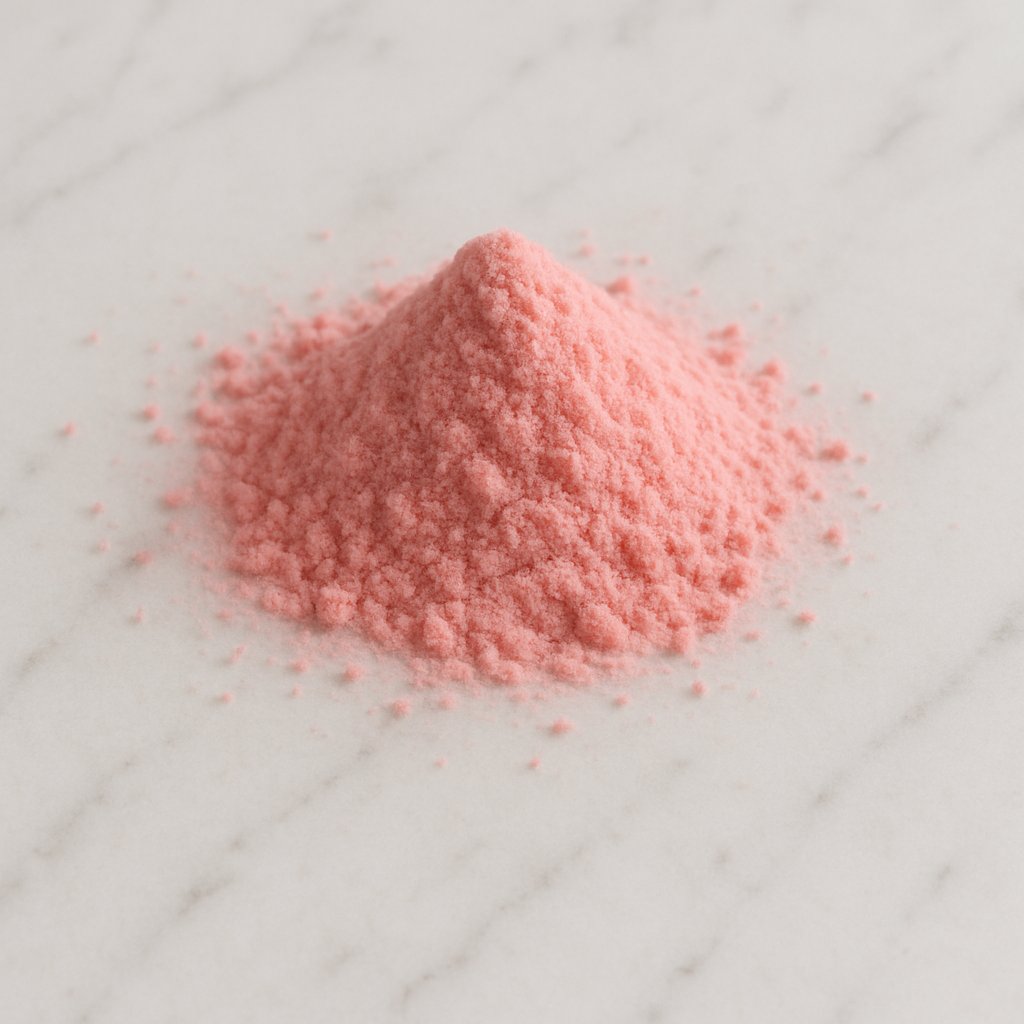
  • Powdered strawberry pudding: These are packets of pudding powder that you mix with milk and cook. It's quick and easy, like a magic powder that turns into pudding in a few minutes.
  • Preserved or in a cup: Ready pudding in a jar or cup that you can eat right away. Convenient for a school break or as a dessert.
  • Vegan or lactose-free variants: For people who cannot eat milk, there are strawberry puddings made with plant-based milk (e.g. oat or soy) or with plant-based thickeners instead of gelatin.
  • Extra-fruity or with pieces: Some puddings have small strawberry pieces or fruit sauce inside, so that it crunches or squelches a bit when you spoon it, like jam.
Some varieties are very simple and inexpensive, others are especially creamy or made with high-quality ingredients like real fruit pieces. If you look in the supermarket you'll find a range similar to chewing gums: simple, colorful types up to special, “tasty” variants.

In summary: strawberry pudding is easy to obtain because strawberries are grown almost everywhere and manufacturers offer many types — from homemade with fresh strawberries to quick powder or cup products. That way almost everyone can find the variant they like best.
Details & nutrition

Property Value
Unit g
Calories per 100 95
Protein per 100 3.0
Carbohydrates per 100 16.0
Sugar per 100 14.0
Fat per 100 2.0
Saturated fat per 100 1.3
Monounsaturated fat 0.5
Polyunsaturated fat 0.2
Fiber per 100 0.2
Vitamin C (mg) per 100 3
Vitamin D (IU) per 100 0
Calcium (mg) per 100 110
Iron (mg) per 100 0.1
Nutri-Score C
CO₂ footprint 1.4
Origin Prepared milk-based dessert, origin of ingredients depends on the manufacturer
Gluten-free No
Lactose-free No
Nut-free Yes
Vegan No
Note Values refer to an average industrially produced milk-based strawberry pudding; exact nutritional values may vary depending on brand and recipe.

Technical & scientific information

Strawberry pudding refers to a prepared dessert or a pudding-like ingredient with a dominant strawberry flavor, which may be based on whole strawberries, strawberry purée, flavor extracts or a combination of fruit preparation and stabilizers. Typical is a creamy to gel-like consistency, achieved by using gelling agents or starches in combination with liquids such as milk, water or whey. Industrially produced strawberry puddings often contain sugar, flavorings, colorants and emulsifiers, while artisanal variants rely on fresh fruit and simple binders.

Chemical composition and ingredients: The basic components of a strawberry pudding are water, carbohydrates (predominantly sucrose or glucose–fructose syrup), plant or animal proteins (for example milk proteins in milk-based puddings), fats in small amounts and gelling or thickening agents. Strawberries provide organic acids (primarily citric and malic acid), anthocyanins and other polyphenols responsible for taste, acidity and red color. Industrial products additionally include modifications such as modified starches, pectin, carrageenan or gelatin to adjust viscosity and texture as well as preservatives that extend shelf life.

Nutritional values and energetic properties: Calorie content varies depending on the recipe. Milk-based strawberry puddings often range around 80–150 kcal per 100 g, while low-fat or water-based versions can provide considerably less energy. Essential nutrients from strawberries include vitamin C, small amounts of B vitamins and minerals such as potassium and manganese. The main share of macronutrients is carbohydrates (as sugars), followed by proteins and a low fat content. The content of secondary plant compounds like flavonoids contributes antioxidant capacity, but is often reduced in processed products.

Processing methods: Production can take place in a domestic or industrial environment. General steps are:

  • Fruit preparation: washing, hull removal and, if necessary, sieving to obtain strawberry purée.
  • Base preparation: heating a liquid–sugar mixture into which starch or gelling agents are stirred to allow pasteurization and thickening.
  • Incorporation of the fruit: addition of strawberry purée, flavorings and, if necessary, colorants following temperature control to protect heat-sensitive ingredients.
  • Filling and cooling: molding and chilling to allow the gel structure to set; in industrial production a thermal treatment for preservation and aseptic packaging often follows.
Role of gelling and thickening agents: Functional texture is produced by physical and chemical mechanisms. Pectin forms a gel in the presence of sugar and acid, while modified starches provide viscous gels through retrogradation and network formation upon cooling. Gelatin forms thermo-reversible gels based on protein. Carrageenans interact with milk proteins to produce dense, creamy consistencies. The choice of agent influences mouthfeel, melting point and storage stability.

Health aspects: Strawberry pudding is safe in moderation but high sugar content can contribute to increased calorie intake. People with fructose or sucrose intolerance must pay attention to the types of sugars present. Gelatin-containing products are not suitable for vegetarians/vegans; alternative gelling agents are relevant in those cases. Allergies to certain additives or milk components should be considered. On the other hand, strawberries provide bioactive compounds with potential antioxidant effects, though their clinical relevance is limited in highly processed products.

Storage and shelf life: Shelf life depends on water activity, pH, sugar content and preservation. Refrigeration slows microbial spoilage, while sterile packaging and addition of sorbates or other preservatives allow longer shelf times. Physical changes such as syneresis (water release) can occur with improper formulation and are indicators of quality loss.

In summary, strawberry pudding is a versatile food whose sensory properties and nutritional profiles strongly depend on the ingredients used and processing methods. The choice of fruit quality, gelling agent and sweetness level determines texture, color and aroma intensity as well as the health aspects of the final product.

Wiki entry for: strawberry pudding
Active now: 18 visitors of which 2 logged-in members in the last 5 minutes