Menu & categories

Stracchino

Creamy, young Italian soft cheese made from cow's milk

Wiki about stracchino Nutri-Score D Vegan No Gluten-free Yes Lactose-free No Nut-free Yes
NUTRITION / 100 g
260 kcal 17 g Protein 2 g Kohlenhydrate 21 g Fett

Introduction

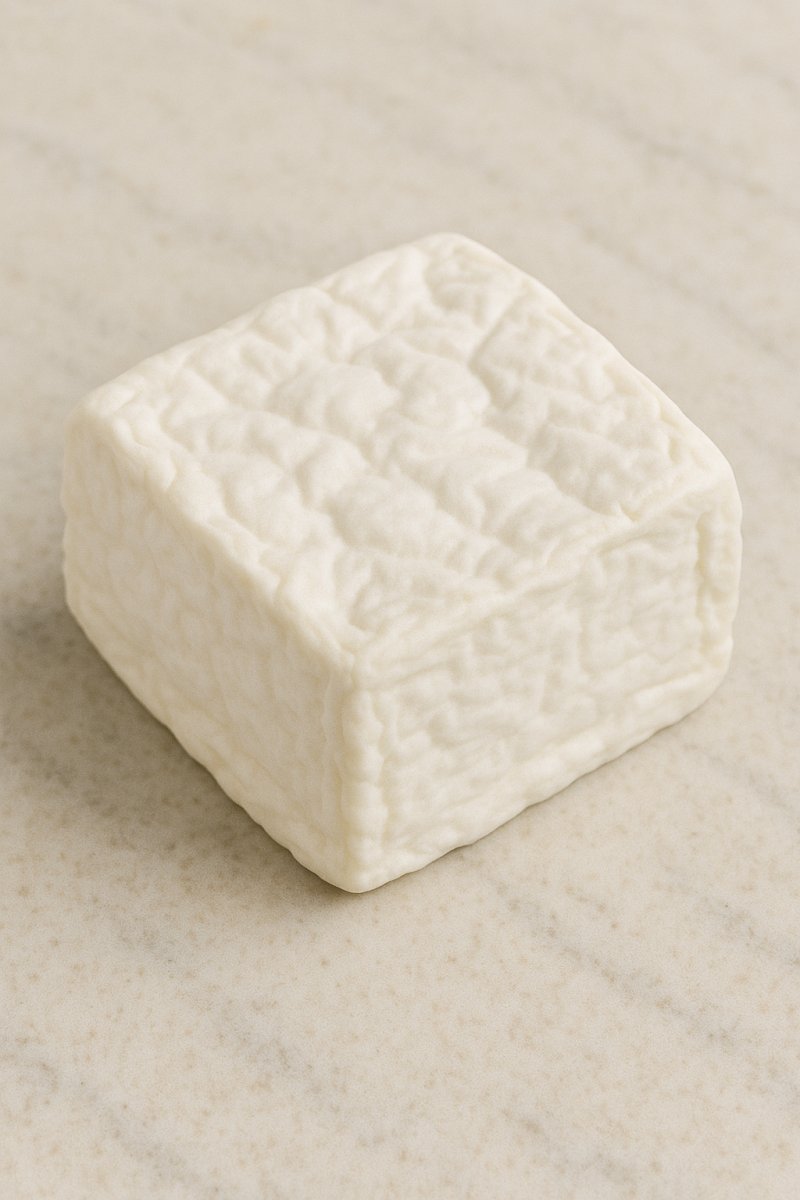
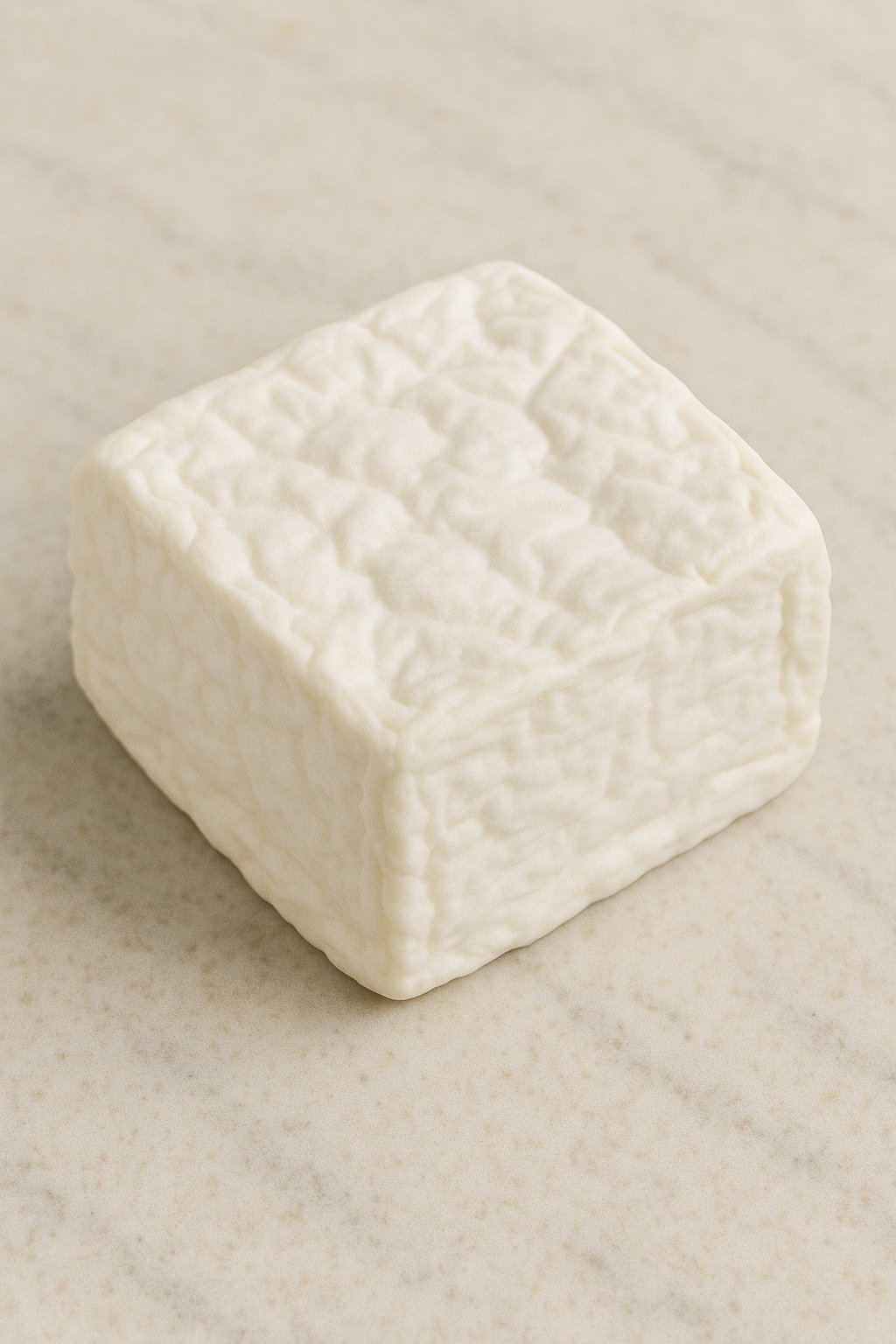
A piece of creamy Stracchino cheese on a wooden board
I still clearly remember the first moment I tasted Stracchino: it was at a weekly market in northern Italy, between stalls with steaming polenta and olive oil tastings. A friendly cheesemaker handed me a small piece, and immediately a creamy, almost floral flavor spread through my mouth, surprising and at the same time comforting me. Since then Stracchino has repeatedly found a place in my fridge because it is so unpretentious and yet so full of character.

Stracchino, sometimes also called Crescenza, is a fresh, soft cow's milk cheese from northern Italy. I love its silky texture: it is spreadable but not runny, with a delicate acidity and a slight sweetness that recall fresh milk and butter. It ripens only briefly, which is why it retains its pale color and mild aroma. This makes it perfect for simple dishes where the cheese should be the star.

I also find Stracchino very practical because of its versatility. I like to use it like this:

  • On toasted bread, simply with a little sea salt and olive oil.
  • As a filling for crispy pizzas or focaccia, where it melts wonderfully during baking.
  • In salad, dotted in small spoonfuls, for a creamy contrast to crisp vegetables.
A colleague of mine swears by serving Stracchino on a warm crostini with figs; I tried it and was blown away. When cooking I noticed that Stracchino pairs wonderfully with herbs like thyme and parsley and that a squeeze of lemon further highlights its freshness. It also goes well with fresh fruit, especially pears and grapes.

To me Stracchino is the cheese that brings everyday life and celebration together: it is uncomplicated enough for a quick breakfast and elegant enough for a dinner. Every time I slice a piece, I look forward to that soft, tender core that radiates so much warmth and Italian ease.

Availability & types

Availability and types

What is Stracchino and where does it come from?
Stracchino is a soft Italian fresh cheese that is especially creamy and mild in flavor. The name comes from northwest Italy, mainly from regions like Lombardy, Piedmont and Emilia-Romagna. There people have for many years learned to make this soft cheese from fresh cow's milk. You can think of Stracchino as a very soft, spreadable version of cheese – almost like a thicker, slightly more savory fresh cheese cream.

How and where is Stracchino produced?
Stracchino is usually made from cow's milk. The milk is heated and turned into curd using a substance called rennet or with natural acid. This curd is then gently shaped and only briefly aged – that is, it does not sit for long like some other cheeses. That's why it stays soft. Production is regional: small dairies in northern Italy are famous for it. Today you can also find Stracchino in other countries, because many producers copy the style.

Which varieties and variants are there?
Although Stracchino is generally similar, there are some differences to be aware of. Here is a simple overview:

  • Fresh Stracchino: Very mild and soft, eaten immediately after production. It has a powdery, thin rind or sometimes no rind at all.
  • Young Stracchino: Stored for a few days to several weeks. It is still very creamy, but the flavor becomes a bit stronger.
  • Spiced variants: Some producers mix in herbs, pepper or other spices. Then the cheese also tastes of the added flavors, but remains soft.
  • Stuffed Stracchino: In restaurants or delicatessens there is sometimes Stracchino filled with tomatoes, olive paste or ham – which makes it especially tasty on bread or in pastries.
  • Vegetarian variants: Traditionally animal rennet is used. For vegetarians there is Stracchino made with vegetable or microbially produced rennet. The taste and texture are similar.
How easy is it to get Stracchino?
In Italy Stracchino is very common and easy to find in supermarkets, markets and dairies. In other countries you will often find Stracchino in well-stocked supermarkets, delicatessens or Italian specialty shops. Sometimes it is simply labeled "Italian fresh cheese" or sold under the regional name. If you can't find Stracchino, there are similar alternatives such as ricotta salata (not identical, but similarly fresh) or various fresh cheeses that allow similar dishes to be made.

Tips for buying and storage
When buying, pay attention to appearance: Stracchino should look soft, pale and moist, but not moldy. In the refrigerator it keeps only a few days because it is little aged. It is best to store it in an airtight package or food container and eat it soon – that way it tastes best. If you freeze it, it often loses creaminess.

In summary, Stracchino is a soft, mild cheese from northern Italy that occurs in fresh, spiced or vegetarian forms. It is easy to obtain in Italy and outside Italy often found in delicatessens or larger supermarkets. Its creaminess makes it ideal for spreads, warm dishes or as a mild cheese accompaniment.
Details & nutrition

Property Value
Unit g
Calories per 100 260
Protein per 100 17
Carbohydrates per 100 2
Sugar per 100 2
Fat per 100 21
Saturated fat per 100 14
Monounsaturated fat 5
Polyunsaturated fat 0.8
Fiber per 100 0
Vitamin C (mg) per 100 0
Vitamin D (IU) per 100 20
Calcium (mg) per 100 350
Iron (mg) per 100 0.2
Nutri-Score D
CO₂ footprint 8.5
Origin Italy
Gluten-free Yes
Lactose-free No
Nut-free Yes
Vegan No
Note Stracchino is a young, spreadable cow's milk soft cheese from northern Italy, usually made from pasteurized milk, with a mildly tangy flavor and a high calcium content.

Technical & scientific information

Stracchino is a fresh Italian soft cow's-milk cheese that is particularly widespread in northern Italy. Typically it is made from pasteurized or thermized whole milk and is characterized by a short ripening period of a few days up to about two weeks. The texture is creamy to spreadable, the rind very thin or not pronounced, and the flavor mild, slightly acidic with buttery and milky notes. Stracchino is usually offered in round or square loaves and serves both as a table cheese and as an ingredient in hot dishes.

Manufacturing process
The production of Stracchino includes typical steps of fresh cheese manufacturing, but with targeted temperature and acidification control to achieve the desired creamy consistency. First the milk is heated to coagulation temperatures (between 30 and 36 °C), then rennet is added to initiate coagulation. After formation of the curd the curd is only roughly cut or barely broken, to obtain larger, water-retaining protein networks. Next the mass is placed in molds and lightly pressed, allowing whey to drain but not be completely removed so that the cheese retains its high moisture. Ripening occurs at cool temperatures (around 4–10 °C) with controlled air humidity; during this phase mild bacterial cultures and enzymes develop the characteristic aromas.

Chemical composition and ingredients
The composition of Stracchino varies with the fat content of the starting milk and production parameters; typically per 100 g it contains:

  • Water: approx. 55–65 %
  • Fat: approx. 18–28 g (depending on variety and milk fat content)
  • Protein: approx. 7–10 g, mainly casein and whey proteins
  • Carbohydrates: small amounts of lactose (typically 2–3 g)
  • Minerals: calcium, phosphorus, sodium in variable amounts
Proteins are present partly intact and partly as proteolytic breakdown products, because during the short ripening proteases from milk, rennet and microbial cultures break down proteins. Fat components include saturated and monounsaturated fatty acids, as well as fat-soluble vitamins such as vitamin A. Lactose is still present in appreciable amounts in fresh cheeses like Stracchino, so lactose-intolerant people may react sensitively.

Nutritional value and health aspects
Stracchino provides concentrated energy in the form of fats and proteins. The energy content varies depending on fat content, commonly between 250 and 330 kcal per 100 g. Advantages include a good supply of high-quality protein and readily usable calcium, which is important for bone metabolism. At the same time the relatively high content of saturated fatty acids and sodium should be considered, especially for people with cardiovascular risk factors or salt sensitivity.

For lactose-intolerant people it should be noted that Stracchino contains residual lactose due to its short ripening time; tolerance depends on individual lactase activity. Because of the short maturation Stracchino is more susceptible to microbial spoilage than hard cheeses. Hygienic milk processing and refrigeration are crucial to prevent growth of pathogenic organisms such as Listeria monocytogenes, which is why some countries pay particular attention to the use of pasteurized milk.

Sensory properties, use and storage
Sensorially Stracchino is described as particularly creamy and mild, with a subtle acidic note. Mouthfeel properties are determined by a high moisture content and a low degree of protein denaturation. In the kitchen Stracchino is often used as a spread, in fillings (for example for pizza or stuffed pasta) and as an ingredient in hot dishes, because it melts when heated and creates a smooth texture. For storage Stracchino should be kept cool (0–6 °C) and airtight; under these conditions shelf life is only a few days to weeks.

Summary
Stracchino is a moisture-rich, mild Italian soft cheese with a short ripening time, characteristic microbial and enzymatic processes and a composition that makes it an energy- and calcium-rich ingredient. Its production requires precise temperature and humidity control as well as hygienic requirements to ensure quality and food safety. Nutritionally Stracchino offers high-quality protein and essential nutrients, while fat and salt content should be considered in consumption choices.

Wiki entry for: stracchino
Active now: 18 visitors of which 2 logged-in members in the last 5 minutes