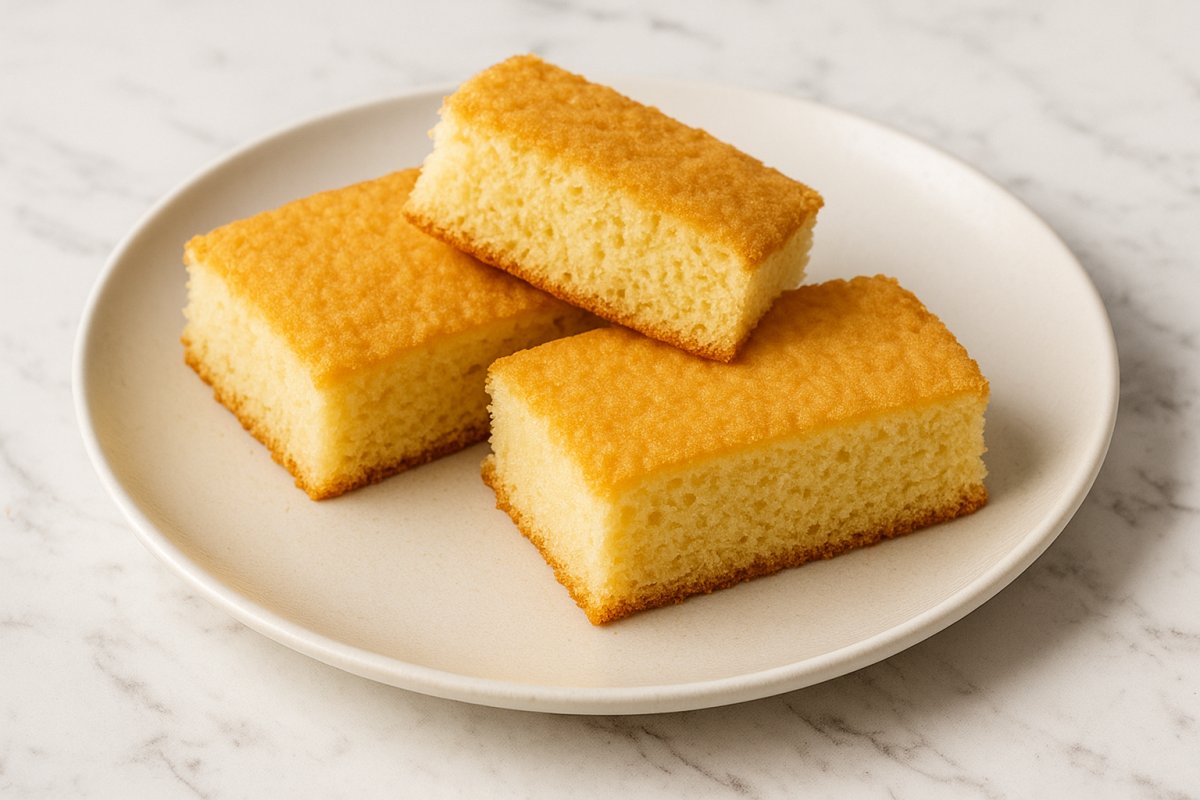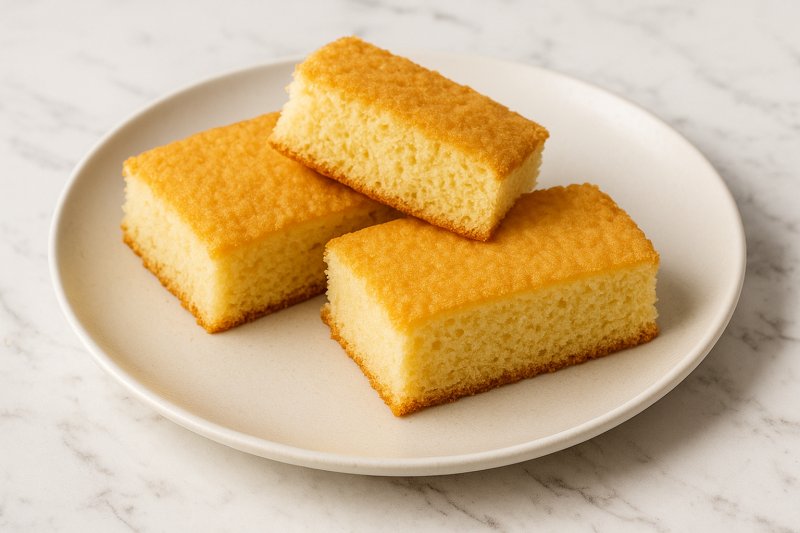
Sponge is a light, airy cake base used for cakes, rolls or desserts. You can think of sponge like a soft, edible sponge: it soaks up cream or liqueur and still remains fluffy. The idea of making airy cakes from eggs, flour and sugar comes from Europe. Particularly well-known variants carry names from countries such as France (Genoise) or Austria (Wiener Biskuit).
Origin
The sponge has its roots in old European kitchens. In the 18th and 19th centuries, recipes in which eggs were whipped very frothy and gently combined with flour became popular in many patisseries. Different countries further developed the technique: the Genoise comes from the Genoa area and is somewhat firmer, whereas the Wiener Biskuit is very fine and airy. Today sponge is known worldwide.
The sponge has its roots in old European kitchens. In the 18th and 19th centuries, recipes in which eggs were whipped very frothy and gently combined with flour became popular in many patisseries. Different countries further developed the technique: the Genoise comes from the Genoa area and is somewhat firmer, whereas the Wiener Biskuit is very fine and airy. Today sponge is known worldwide.
Growing regions of raw materials
Sponge itself does not grow of course — it is baked. The main ingredients, however, come from certain growing regions:
Sponge itself does not grow of course — it is baked. The main ingredients, however, come from certain growing regions:
- Wheat (flour): grown in many countries; major producing areas include Europe, North America, Russia and Australia. Flour gives the sponge structure.
- Eggs: come from poultry farms. There are poultry farms almost everywhere, so eggs are easy to obtain.
- Sugar: comes either from sugar beet (common in Europe) or from sugar cane (common in tropical countries).
- Cocoa (for chocolate sponge): grown in warm, humid countries such as West Africa, South America or Southeast Asia.
Available types and variants
There are many types of sponge — here are the main ones, simply explained:
There are many types of sponge — here are the main ones, simply explained:
- Standard sponge base: the standard base for cakes. Light and airy.
- Genoise: somewhat firmer and finer, often used for delicate cakes.
- Wiener Biskuit: very airy and delicate, good for light cake creams.
- Sponge roll (Swiss Roll): thin sponge spread with cream and rolled up — like a small cake sandwich.
- Ladyfingers (Löffelbiskuit): elongated, dry biscuits used for desserts like tiramisu. They absorb liquid without falling apart immediately.
- Chocolate sponge: made with cocoa or melted chocolate.
- Gluten-free or vegan variants: for people who don't eat wheat or eggs, there are alternatives with other flours or binders (for example plant-based mixes).
- Ready-made products: prebaked bases, cake mixes or frozen sponge bases that only need to be used or thawed.
Availability
Sponge is widely available: supermarkets offer fresh bases, ready rolls, cake mixes and frozen products. Bakeries sell fresh, home-baked bases. Some specialty shops or online retailers offer special types such as gluten-free bases or organic sponge. If you want to make a cake quickly, ready-made bases are an easy solution; if you enjoy baking, you can make sponge yourself with just a few ingredients.
Sponge is widely available: supermarkets offer fresh bases, ready rolls, cake mixes and frozen products. Bakeries sell fresh, home-baked bases. Some specialty shops or online retailers offer special types such as gluten-free bases or organic sponge. If you want to make a cake quickly, ready-made bases are an easy solution; if you enjoy baking, you can make sponge yourself with just a few ingredients.
In short: sponge is versatile, easy to find and comes in many variations — from the classic cake base to special gluten-free versions. You can always choose the right type, whether you want to bake yourself or prefer a ready solution.