Menu & categories

Spinach

Nutrient-rich leafy vegetable with a mild flavor

Wiki about spinach Nutri-Score A Vegan Yes Gluten-free Yes Lactose-free Yes Nut-free Yes
NUTRITION / 100 g
23 kcal 2.9 g Protein 3.6 g Kohlenhydrate 0.4 g Fett

Introduction

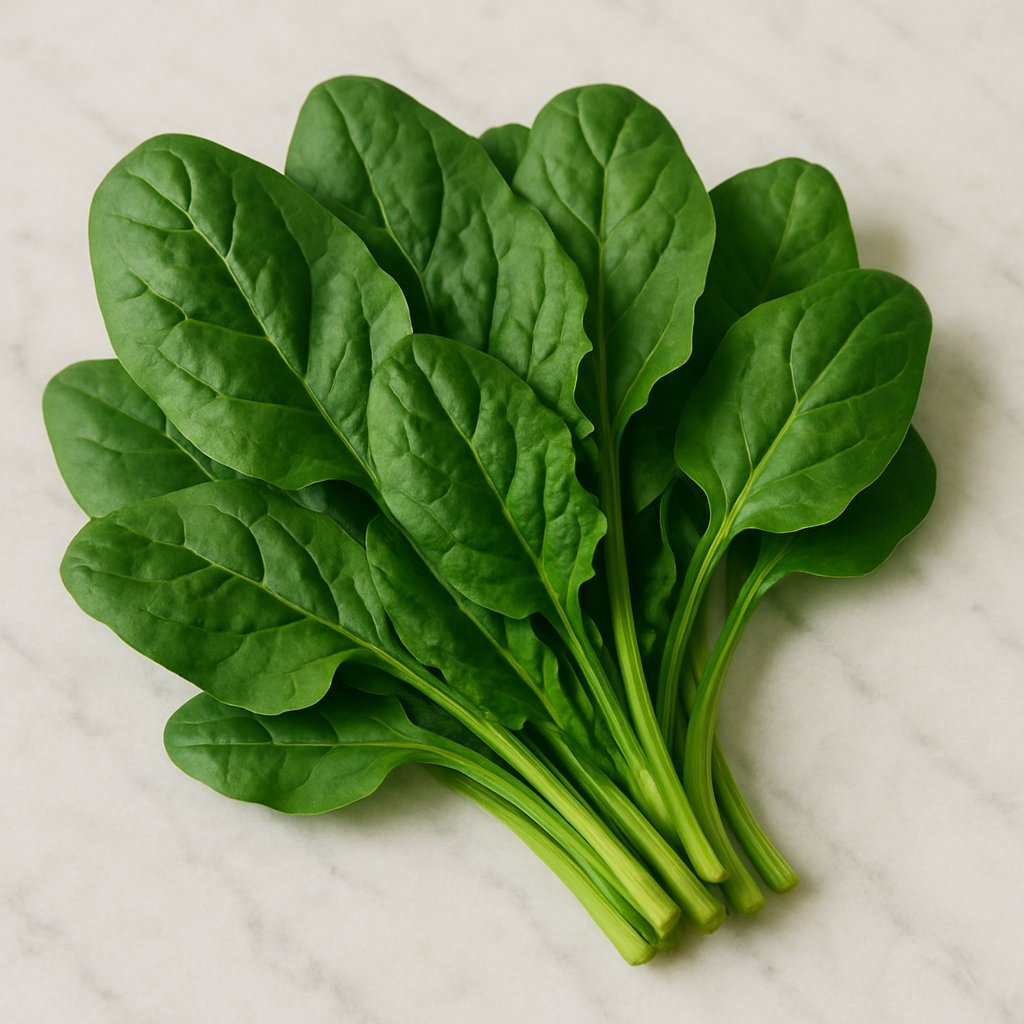
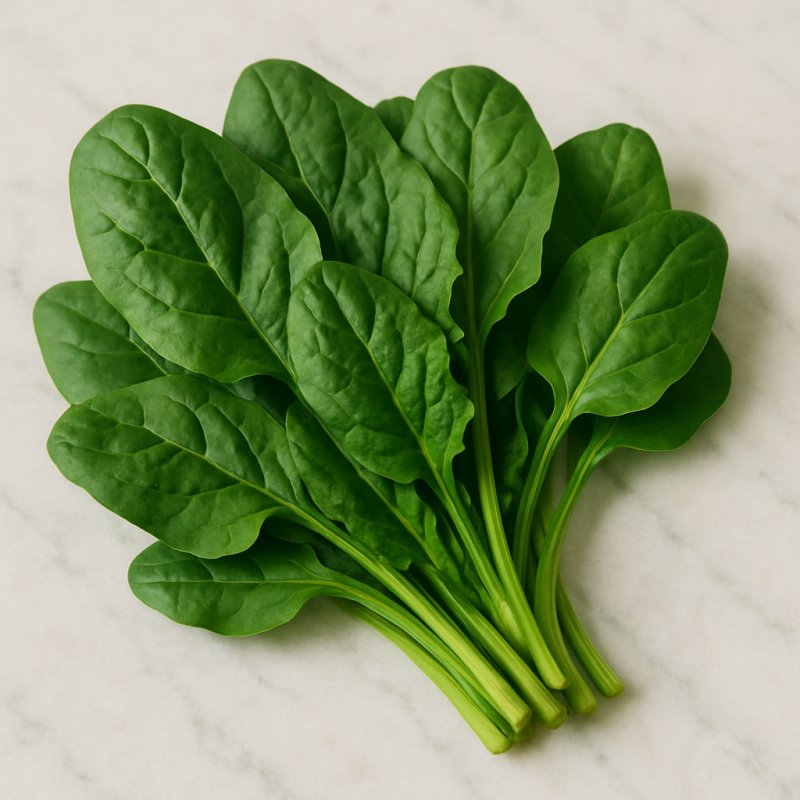
Fresh spinach leaves
Spinach has accompanied me since childhood – sometimes as a velvety purée alongside potatoes, sometimes as a tender salad with lemon dressing. Today, as a 35-year-old editor from Europe, I regard this versatile ingredient with even more respect. Spinach is not only healthy but also culinarily interesting, sustainable and easy to use in the kitchen. In my editorial work it often appears in recipe ideas, shopping guides and seasonal recommendations, because its combination of aroma, color and nutrient density keeps convincing us and our readers.

When I write about spinach I first think of its two faces: delicate baby spinach for salads and the heartier leaf spinach for steaming, baking or blanching. Both variants offer fresh, earthy notes and a fine, slightly mineral profile. My colleague, an enthusiastic hobby gardener, swears by the first cut in spring: “The scent of freshly picked spinach is like a promise of light cooking after winter,” he says, regularly bringing baskets full of green happiness to the office.

Nutritionally, spinach is one of the stars in the vegetable drawer. It is a source of folate, vitamin K, vitamin A (from beta-carotene), vitamin C as well as minerals like magnesium and iron. Even though the myth of the “iron miracle” is exaggerated, spinach still contributes to a balanced iron intake – especially when combined with vitamin-C-rich ingredients. I remember a trip to southern France where a cook explained why she always adds a squeeze of lemon juice to warm spinach: “It not only adds freshness, it also supports nutrient absorption.”

In European cuisine spinach has many homes. In Italy it is loved in ricotta fillings for ravioli or cannelloni, in Greece it is used for spinach-feta pies, in Spain it finds its way into tortillas. In Central Europe spinach goes into quiches, pancakes or creamy soups. Once in Vienna I tried a spinach dumpling variant so delicious that I have recommended the recipe ever since to anyone looking for a hearty, vegetarian dish

Availability & types

Availability and types of spinach

Spinach is a green leafy vegetable popular in many countries. It originates from ancient Persia (today Iran) and spread from there through the Arab world to Europe. Today spinach is grown almost everywhere where there is a temperate climate. For you this means: you can find spinach year-round in supermarkets, but quality and origin vary by season. Knowing when a particular spinach is at its best not only improves taste but also increases nutrient levels.

Seasons and availability

Fresh spinach is mainly in season in spring and autumn in Europe. In these periods temperatures are mild, which spinach particularly prefers. In summer spinach can become bitter because it gets too warm and bolts quickly. In winter frozen spinach is often the best choice because it is blast-frozen shortly after harvest and retains many nutrients. Baby spinach is also available year-round from greenhouse production. So you practically always have an option, whether you plan a fresh salad base or a warm dish.

Where does the store spinach come from?

Origin varies with the season. In spring and autumn it can be regional, i.e. from your own country or neighboring countries. In winter it is often imported from warmer regions or supplied from greenhouses. Frozen spinach usually comes from large production areas where it is harvested and processed quickly. Check the label: it often states both the country of origin and sometimes the variety.

Main types and varieties of spinach

“Spinach” does not refer to a single plant but many cultivars with slightly different properties. The most important types for everyday use are:

  • Smooth-leaf spinach
    Has smooth, tender leaves and a mild flavor. It can be washed quickly because dirt does not cling as easily. Ideal for salads, sandwiches and very short cooking times.
  • Savoy or curly

Details & nutrition

Property Value
Unit g
Average weight per piece 30
Calories per 100 23
Protein per 100 2.9
Carbohydrates per 100 3.6
Sugar per 100 0.4
Fat per 100 0.4
Saturated fat per 100 0.06
Monounsaturated fat 0.01
Polyunsaturated fat 0.17
Fiber per 100 2.2
Vitamin C (mg) per 100 28
Vitamin D (IU) per 100 0
Calcium (mg) per 100 99
Iron (mg) per 100 2.7
Nutri-Score A
CO₂ footprint 0.3 kg CO2e/kg
Origin Field/greenhouse, commonly Europe
Gluten-free Yes
Lactose-free Yes
Nut-free Yes
Vegan Yes
Note High content of vitamin K and folate; can be eaten raw or cooked.

Technical & scientific information

Spinach (Spinacia oleracea L.) is an annual herbaceous plant in the family Amaranthaceae and is among the most commonly cultivated leafy vegetables in temperate climates. Botanically, spinach is characterized by a rosette-like leaf arrangement, with oval to arrow-shaped leaves whose texture can vary from tender to leathery. The species can be dioecious to monoecious with wind-pollinated flowers. Originally from the Central to Western Asia region, spinach spread through the Mediterranean to Europe. Modern breeding forms mainly differ in leaf thickness, growth habit and bolting tolerance.

Morphology and cultivation
Spinach prefers cool temperatures (optimum 10–18 °C) and short days, since long photoperiods promote generative growth and bolting. It thrives in humus-rich, well-drained soils with a pH of 6.0–7.5. Sowing is usually direct, with germination temperatures ranging from 5–20 °C. Harvest begins, depending on variety and season, 30–55 days after sowing. Hydroponic and greenhouse cultivation allow year-round production, where air circulation and leaf dryness are central measures to reduce fungal infestation.

Variety types and quality characteristics
Smooth, semi-ruffled and strongly ruffled leaf types are distinguished. Baby spinach is harvested at young growth stages and is more tender, whereas mature leaves have higher dry matter and a more intense flavor. Quality parameters include leaf color (dark green as an indicator of chlorophyll and carotenoid content), mechanical integrity, low nitrate levels and microbiological safety.

Nutrient profile and bioactive substances
Spinach is rich in micronutrients while having low caloric density. Typical contents per 100 g fresh weight are: high concentration of vitamin K1 (phylloquinone), vitamin A in the form of provitamin-A carotenoids (mainly beta-carotene), folate (vitamin B9), vitamin C as well as minerals such as iron,

Wiki entry for: spinach
Active now: 15 visitors of which 2 logged-in members in the last 5 minutes