Menu & categories

Spekulatius

Christmas spiced biscuits with a characteristic caramel and spice aroma

Wiki about speculoos Nutri-Score E Vegan No Gluten-free No Lactose-free No Nut-free No
NUTRITION / 100 g
480 kcal 6 g Protein 70 g Kohlenhydrate 18 g Fett

Introduction

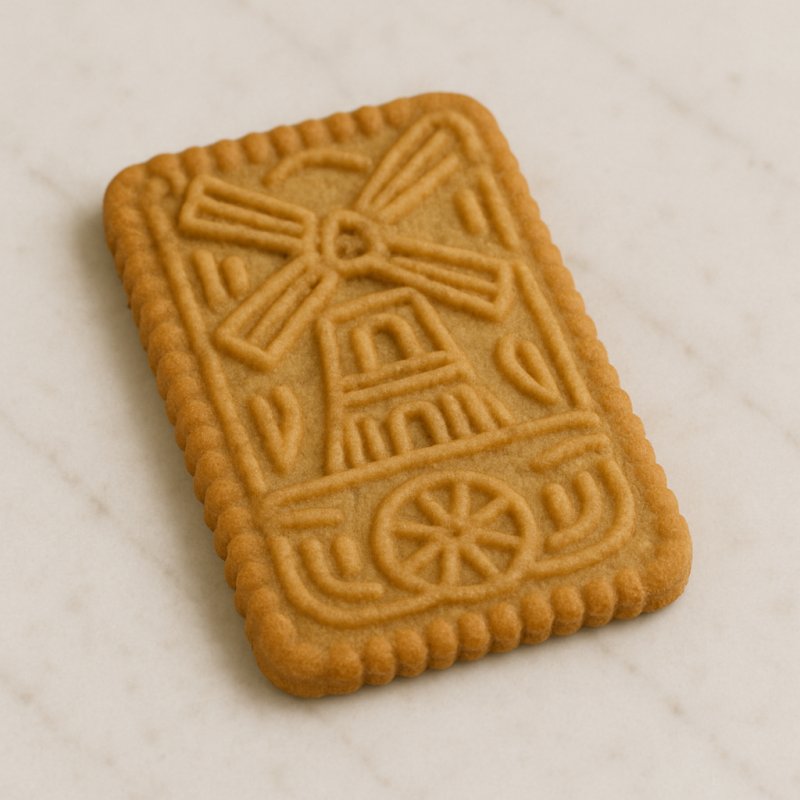
Several Spekulatius cookies on a plate
When I think of Spekulatius, I immediately picture those thin, crispy biscuits with their delicate relief and smell spices that are warm and cozy at the same time. I still remember how, as a child, I secretly pinched a piece from the baking tray while the adults poured the tea. Since then the scent of cinnamon, cardamom and cloves has accompanied me through many winter days and makes Spekulatius for me a small, aromatic time machine.

Spekulatius is more than just a pastry; it is a mix of tradition and artisanal precision. The typically spicy spice blend, often supplemented with nutmeg, ginger, coriander and allspice, gives the dough its characteristic profile. I once tried to reproduce my grandmother's spice mix exactly — the result was good, but it lacked the patient hand when stamping, the small details that a classic Spekulatius needs.

What particularly fascinates me is the variety in recipes and shapes. Some families use a heavy butter base, others swear by vegetable fat for an especially crispy bite. In my neighborhood there is a small café that bakes mini Spekulatius in the shape of stars and serves them with latte art; a colleague of mine then claimed that his coffee machine had secretly switched to Christmas mode.

For me Spekulatius belongs in different moments: as a companion to coffee and tea, for dipping in vanilla sauce or as a crumbled crust on a winter dessert. Also, Spekulatius is a real communication piece: people exchange recipes, molds and little stories about how the pattern on the biscuits came about.

When I have guests, I always put a bowl of Spekulatius on the table. The combination of spicy aromas, crunchy texture and nostalgic charm makes this ingredient irreplaceable. It tells of gloves, baking molds and long baking days — and reminds me that the simplest things often hold the most stories.

Availability & types

Availability and types

Spekulatius are crisp spiced biscuits especially popular in the cold season. They originally come from the Netherlands, Belgium and the northwestern part of Germany. Today you can find Spekulatius in many countries because people like the spicy aroma. In large supermarkets they are often available year-round, but especially many varieties appear in autumn and around Christmas.

Where do they come from and how are they made?
Spekulatius have a long history: bakers used to bake them for special holidays like St. Nicholas Day or Christmas. The dough is quite simple — flour, sugar, fat (usually butter), and spices such as cinnamon, cloves and nutmeg. Sometimes almonds or vanilla are added. Instead of complicated machines, bakers often emboss the dough with wooden molds that show pictures or figures. That makes the biscuits particularly pretty.

Growing regions of the ingredients
Spekulatius are a product made from several ingredients that come from different parts of the world. Here is a simple overview:

  • Wheat (for flour): Is grown in many countries, especially in Europe, North America and parts of Asia. Wheat fields look like wide, golden meadows.
  • Cinnamon: Usually comes from tropical countries like Sri Lanka or Indonesia. Cinnamon is the thin bark of a tree — imagine peeling the bark and rolling it into sticks.
  • Cloves and nutmeg: These spices also grow in warm, humid regions, for example on islands in Southeast Asia.
  • Almonds: Often come from countries with warm climates, such as Spain or California. Almonds are the kernels of fruits, similar to peach stones.
  • Butter: Made from milk that comes from cows, which graze in many countries, especially in temperate climate zones.
Available varieties and variants
Spekulatius exist in many variants — some are traditional, others reinvented. Here are the most common types, simply explained:

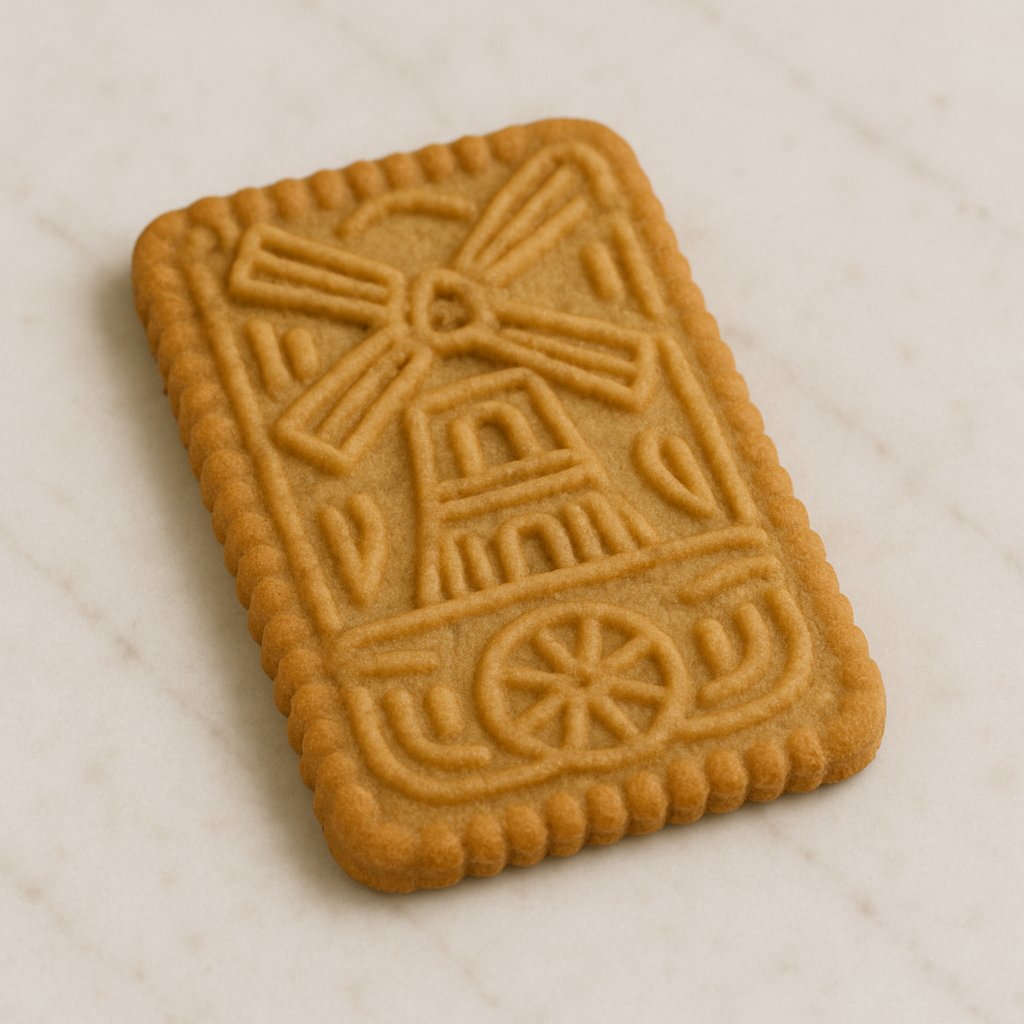
  • Traditional Spekulatius: These are the classic biscuits with the familiar motifs (e.g. St. Nicholas, windmills). They are crisp and have the typical spicy flavor.
  • Wholemeal Spekulatius: Baked from wholemeal flour. They are a bit darker and contain more fiber, which means they keep you full longer.
  • Vegan Spekulatius: Without butter or milk — often vegetable margarine is used instead. The taste is similar, only without animal ingredients.
  • Gluten-free Spekulatius: For people who cannot tolerate gluten (gluten is a protein in wheat), there are variants with gluten-free flours like rice flour or corn flour.
  • Chocolate or sugar-glaze variants: Some biscuits are coated with chocolate or have sugar icing. This makes them sweeter and more colorful.
  • Filled or baked variants: There are also biscuits with a layer of marzipan or a nougat filling, or thicker baked 'piece-Spekulatius' that are more like small cakes.
Where can you find which type?
Supermarkets often stock the classic varieties and a few special variants. In bakeries or small patisseries you often get freshly baked Spekulatius or hand-shaped pieces with pretty wooden molds. At weekly markets and delicatessens you sometimes find unusual varieties, for example with real almonds or fine chocolate coatings. If you have special requests (e.g. vegan or gluten-free), it's worth checking the ingredient list or asking the baker.

In summary: Spekulatius are easy to find, especially at Christmas time, and there are many variants — from traditional to modern. The ingredients come from different countries, but the combination always yields the familiar spicy taste that many people love.
Details & nutrition

Property Value
Unit g
Average weight per piece 10
Calories per 100 480
Protein per 100 6
Carbohydrates per 100 70
Sugar per 100 30
Fat per 100 18
Saturated fat per 100 10
Monounsaturated fat 5
Polyunsaturated fat 3
Fiber per 100 2
Vitamin C (mg) per 100 0
Vitamin D (IU) per 100 0
Calcium (mg) per 100 40
Iron (mg) per 100 1.5
Nutri-Score E
CO₂ footprint 1.8
Origin Europe
Gluten-free No
Lactose-free No
Nut-free No
Vegan No
Note Nutritional values for typical Spekulatius made from wheat flour with sugar, fat and spices; exact values may vary depending on recipe and manufacturer.

Technical & scientific information

Spekulatius originally denotes a traditional spiced pastry from German-speaking and Dutch baking culture, characterized by a firm texture, distinctive spice blend and often decorative relief patterns. In culinary terms, however, the term can also refer to the interchangeable ingredient made from pulverized or ground Spekulatius biscuits used in confections, desserts or as part of breading mixtures. A scientific description of this ingredient requires consideration of its composition, nutritional values, physical properties and suitable processing methods.

Chemical composition and constituents

  • Basic constituents are flour (mainly wheat flour), sugar (sucrose), fats (butter or vegetable fats) and spices such as cinnamon, cloves, nutmeg and cardamom. These provide the macroscopic fractions of carbohydrates, fats and proteins.
  • Fat spectra vary depending on fat source: butter supplies saturated and monounsaturated fatty acids (e.g. palmitic acid, oleic acid), vegetable fats can contain more polyunsaturated fatty acids. The fat profile influences melting behavior and mouthfeel.
  • Spice components contain secondary plant compounds such as eugenol (cloves), cinnamaldehyde (cinnamon) and essential oils, which are responsible for aroma and slight antimicrobial properties. Their concentration, however, is low compared to the main nutrients.
  • Protein components originate predominantly from wheat gluten; when nuts or almonds are used the proportion of plant proteins and lipids increases, as does the presence of micronutrients like vitamin E and minerals (e.g. magnesium).
Nutritional values

  • Spekulatius typically has a high energy content due to a high proportion of carbohydrates (from flour and sugar) and fats. Per 100 g calorie values often range from 450–520 kcal, depending on fat content.
  • Fiber content is moderate, but increases with the use of wholegrain flours or nut inclusions.
  • The amount of sugar present is significant and affects glycemic load and insulin response after consumption.
Physical and technological properties

  • The texture of Spekulatius results from the ratio of fat to flour and the amount of crystalline water in sugars. High fat content leads to crumbly, brittle structures; reduced fat levels produce harder, more compact cookie structures.
  • During baking the Maillard reaction (protein–sugar interaction) and caramelization (sugar breakdown) are central to browning and flavor formation. Typical cookie-baking temperatures (160–190 °C) promote these reactions.
  • Crushed Spekulatius behaves physically like a fine breading or crumb substrate with a certain particle size distribution; this influences moisture uptake, binding capacity in masses and mouthfeel in applications such as cake bases.
Processing methods

  • For use as an ingredient Spekulatius is often mechanically crushed (cutter, hammer mill) or milled to flour. Control of the milling degree is important to adapt to recipe requirements.
  • When incorporated into creams or masses attention should be paid to hygroscopicity: fine particles absorb moisture faster and can bind or liquefy mixtures.
  • Heat treatment after grinding is generally not necessary, since the product is already baked; for microbiological safety dry storage conditions are usually sufficient.
Health aspects

  • As a processed sweet product Spekulatius is energy-dense in calories but low in essential vitamins and minerals compared to more wholesome foods. Excessive consumption contributes to increased energy intake and potential weight gain.
  • People with gluten intolerance or celiac disease must avoid Spekulatius unless gluten-free variants are used. Allergens such as nuts, almonds, milk components or soy may also be present.
  • The spices contained are considered safe at customary concentrations and may even contribute antioxidant properties, although therapeutic effects at consumed amounts are minor.
Overall, Spekulatius as an ingredient is an aromatic, energy-rich baked product with characteristic chemical composition and specific technological properties that determine its use in confections and desserts. Its handling in food processing requires attention to particle size, moisture management and allergen labeling, while nutritionally the high energy and sugar content are the main considerations.

Wiki entry for: speculoos
Active now: 20 visitors of which 2 logged-in members in the last 5 minutes