Availability and types
Spekulatius are crisp spiced biscuits especially popular in the cold season. They originally come from the Netherlands, Belgium and the northwestern part of Germany. Today you can find Spekulatius in many countries because people like the spicy aroma. In large supermarkets they are often available year-round, but especially many varieties appear in autumn and around Christmas.
Where do they come from and how are they made?
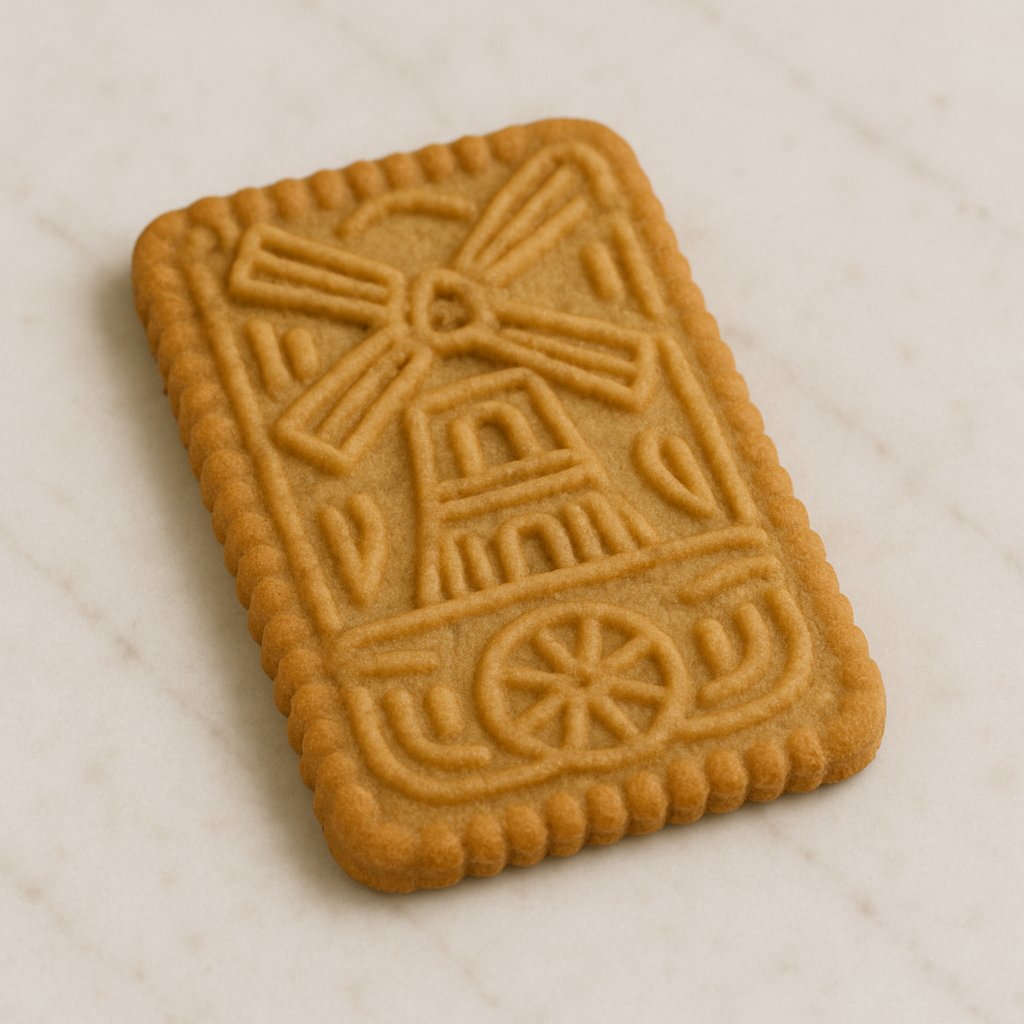
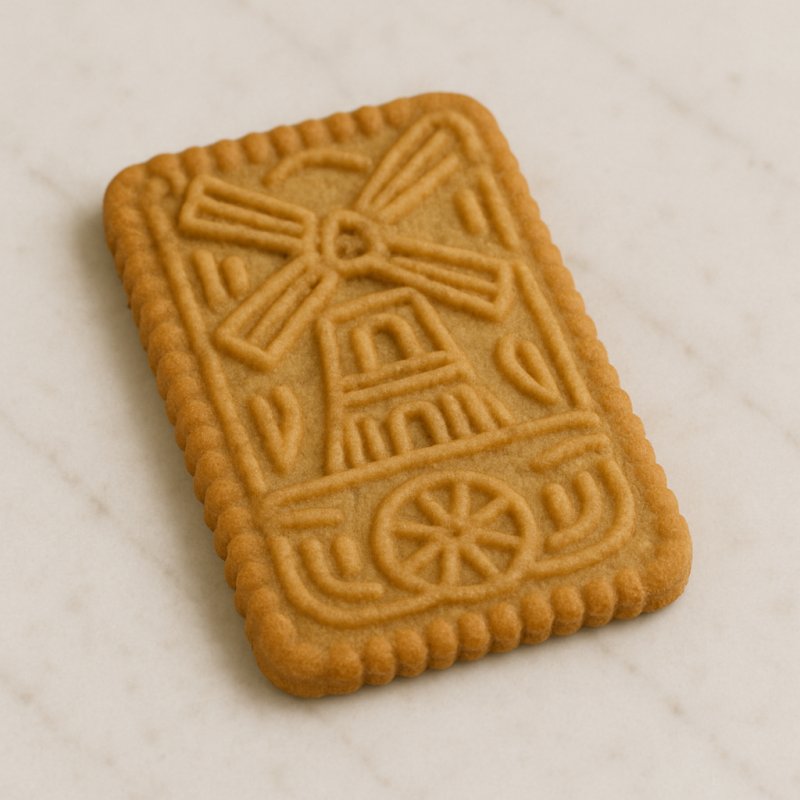
Spekulatius have a long history: bakers used to bake them for special holidays like St. Nicholas Day or Christmas. The dough is quite simple — flour, sugar, fat (usually butter), and spices such as cinnamon, cloves and nutmeg. Sometimes almonds or vanilla are added. Instead of complicated machines, bakers often emboss the dough with wooden molds that show pictures or figures. That makes the biscuits particularly pretty.
Spekulatius have a long history: bakers used to bake them for special holidays like St. Nicholas Day or Christmas. The dough is quite simple — flour, sugar, fat (usually butter), and spices such as cinnamon, cloves and nutmeg. Sometimes almonds or vanilla are added. Instead of complicated machines, bakers often emboss the dough with wooden molds that show pictures or figures. That makes the biscuits particularly pretty.
Growing regions of the ingredients
Spekulatius are a product made from several ingredients that come from different parts of the world. Here is a simple overview:
Spekulatius are a product made from several ingredients that come from different parts of the world. Here is a simple overview:
- Wheat (for flour): Is grown in many countries, especially in Europe, North America and parts of Asia. Wheat fields look like wide, golden meadows.
- Cinnamon: Usually comes from tropical countries like Sri Lanka or Indonesia. Cinnamon is the thin bark of a tree — imagine peeling the bark and rolling it into sticks.
- Cloves and nutmeg: These spices also grow in warm, humid regions, for example on islands in Southeast Asia.
- Almonds: Often come from countries with warm climates, such as Spain or California. Almonds are the kernels of fruits, similar to peach stones.
- Butter: Made from milk that comes from cows, which graze in many countries, especially in temperate climate zones.
Available varieties and variants
Spekulatius exist in many variants — some are traditional, others reinvented. Here are the most common types, simply explained:
Spekulatius exist in many variants — some are traditional, others reinvented. Here are the most common types, simply explained:
- Traditional Spekulatius: These are the classic biscuits with the familiar motifs (e.g. St. Nicholas, windmills). They are crisp and have the typical spicy flavor.
- Wholemeal Spekulatius: Baked from wholemeal flour. They are a bit darker and contain more fiber, which means they keep you full longer.
- Vegan Spekulatius: Without butter or milk — often vegetable margarine is used instead. The taste is similar, only without animal ingredients.
- Gluten-free Spekulatius: For people who cannot tolerate gluten (gluten is a protein in wheat), there are variants with gluten-free flours like rice flour or corn flour.
- Chocolate or sugar-glaze variants: Some biscuits are coated with chocolate or have sugar icing. This makes them sweeter and more colorful.
- Filled or baked variants: There are also biscuits with a layer of marzipan or a nougat filling, or thicker baked 'piece-Spekulatius' that are more like small cakes.
Where can you find which type?
Supermarkets often stock the classic varieties and a few special variants. In bakeries or small patisseries you often get freshly baked Spekulatius or hand-shaped pieces with pretty wooden molds. At weekly markets and delicatessens you sometimes find unusual varieties, for example with real almonds or fine chocolate coatings. If you have special requests (e.g. vegan or gluten-free), it's worth checking the ingredient list or asking the baker.
Supermarkets often stock the classic varieties and a few special variants. In bakeries or small patisseries you often get freshly baked Spekulatius or hand-shaped pieces with pretty wooden molds. At weekly markets and delicatessens you sometimes find unusual varieties, for example with real almonds or fine chocolate coatings. If you have special requests (e.g. vegan or gluten-free), it's worth checking the ingredient list or asking the baker.
In summary: Spekulatius are easy to find, especially at Christmas time, and there are many variants — from traditional to modern. The ingredients come from different countries, but the combination always yields the familiar spicy taste that many people love.