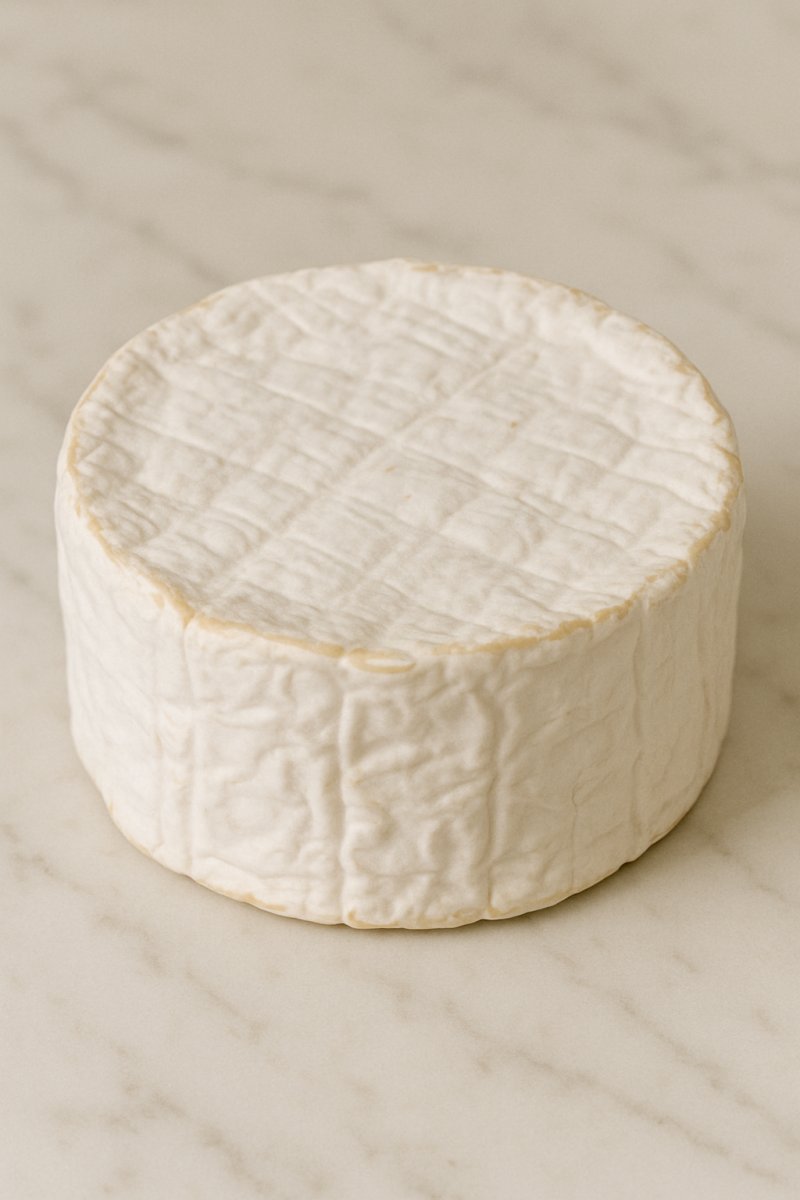
Availability and types of soft cheese 20% fat in dry matter
Soft cheeses with 20% fat in dry matter (abbreviated: 20% fat in d.m.) are a cheese group known for their soft, creamy to slightly elastic texture and their mild to tangy flavor. The indication “fat in dry matter” means how much fat is present in the cheese when all the water is removed. A cheese with 20% fat in d.m. is therefore relatively low-fat compared to classic soft cheeses like Brie or Camembert, which often have 45–60% fat in d.m. Nevertheless, many of these light soft cheeses retain pleasant flavor and good creaminess, especially when properly ripened and stored.
Origin and production
Soft cheeses originally come from various regions of Europe, especially France (for example Brie, Camembert), Germany (e.g. Limburger, Romadur, quark specialties), Austria and Switzerland (e.g. creamy soft cheeses). Today they are produced almost everywhere, including many small dairies. The basis is always milk – mostly cow's milk, but goat's or sheep's milk are also used. To reduce the fat content, partially skimmed or skimmed milk is used. Then rennet or lactic starter cultures are added to coagulate the milk, and the curd is placed in molds. Depending on the variety, the surface is treated with specific noble mold cultures (white mold), wash-rind cultures (orange-reddish bacterial rind) or left natural. A short ripening period of a few days to several weeks makes the cheese soft and aromatic.
Soft cheeses originally come from various regions of Europe, especially France (for example Brie, Camembert), Germany (e.g. Limburger, Romadur, quark specialties), Austria and Switzerland (e.g. creamy soft cheeses). Today they are produced almost everywhere, including many small dairies. The basis is always milk – mostly cow's milk, but goat's or sheep's milk are also used. To reduce the fat content, partially skimmed or skimmed milk is used. Then rennet or lactic starter cultures are added to coagulate the milk, and the curd is placed in molds. Depending on the variety, the surface is treated with specific noble mold cultures (white mold), wash-rind cultures (orange-reddish bacterial rind) or left natural. A short ripening period of a few days to several weeks makes the cheese soft and aromatic.
Availability in trade
Soft cheese with 20% fat in d.m. is available in many supermarkets, organic stores and specialty cheese shops. In large chains you usually find it in the chilled counter
Soft cheese with 20% fat in d.m. is available in many supermarkets, organic stores and specialty cheese shops. In large chains you usually find it in the chilled counter
