Menu & categories

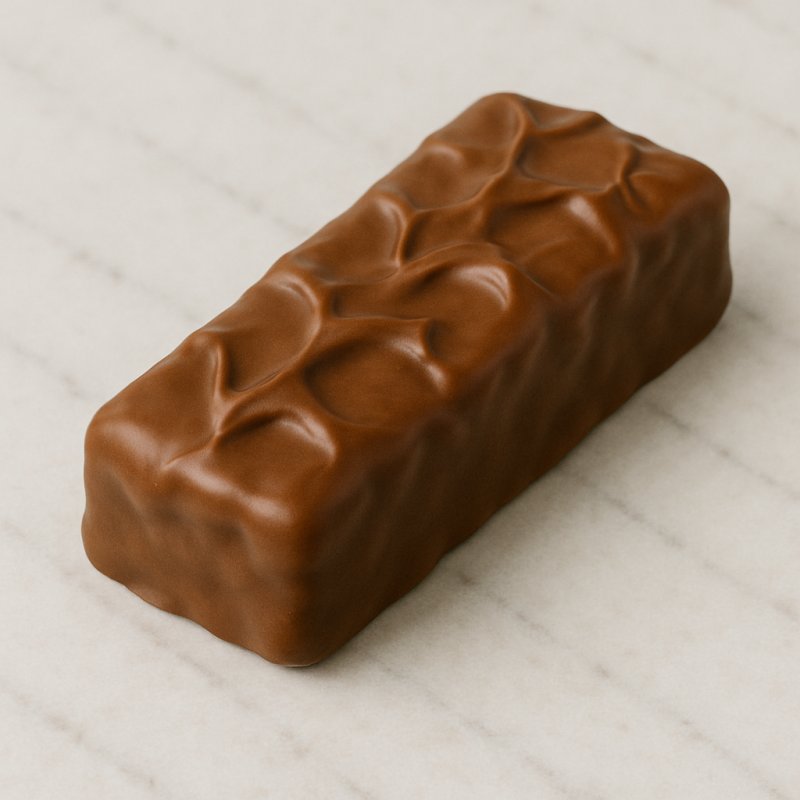
Snicker

Chocolate bar with peanuts and caramel

Wiki about Snickers Nutri-Score E Vegan No Gluten-free No Lactose-free No Nut-free No
NUTRITION / 100 g
485 kcal 9.0 g Protein 60.0 g Kohlenhydrate 23.0 g Fett

Introduction

Snicker chocolate bar with peanuts and caramel
I still remember the day I first consciously encountered Snicker as an ingredient: at the weekly market there was a small bowl of candied nuts, and the vendor called the caramel "Snicker". Since then this sweet-nutty element has not let me go.

To me Snicker is far more than just a flavor nuance; it is a carrier of texture and mood. The combination of a crisp caramel crust and deeply roasted nut aroma gives baked goods, desserts and even savory dishes a surprising depth. A colleague of mine swears by adding a pinch of it to his BBQ glaze — the result was so unexpectedly delicious that we were all silent until the plate was empty.

I like ingredients that are versatile, and Snicker is definitely one of them. It works in:

  • baked cakes and tarts, where it serves as a crunch layer;
  • ice-cream-like desserts that benefit from caramel and nut pieces;
  • savoury sauces, when playing with sweetness and roasted notes;
  • crispy toppings for yogurt and muesli.
When cooking I always pay attention to balance. Snicker brings a lot of sweetness and roasted aromas, so I often reduce other sugar sources or add a pinch of salt to sharpen the flavors. Once I tried using Snicker in a goat cheese crostini combination — the acidity of the cheese and the caramel sweetness resulted in a small flavor explosion that pleasantly surprised my guests.

Storage is uncomplicated: dry, cool and airtight. I like to keep leftovers in small screw jars, then the crunch remains and it's easy to add some quickly while cooking. When I have guests, I sprinkle a handful over warm pears or pancakes — that's my quick trick for appreciative looks.

For me Snicker is a little culinary chameleon: unobtrusive enough to accompany classic recipes, yet independent enough to create new flavor combinations. I enjoy experimenting with it, inventing stories at the stove and giving familiar flavors a crispy wink.

Availability & types

Availability and types

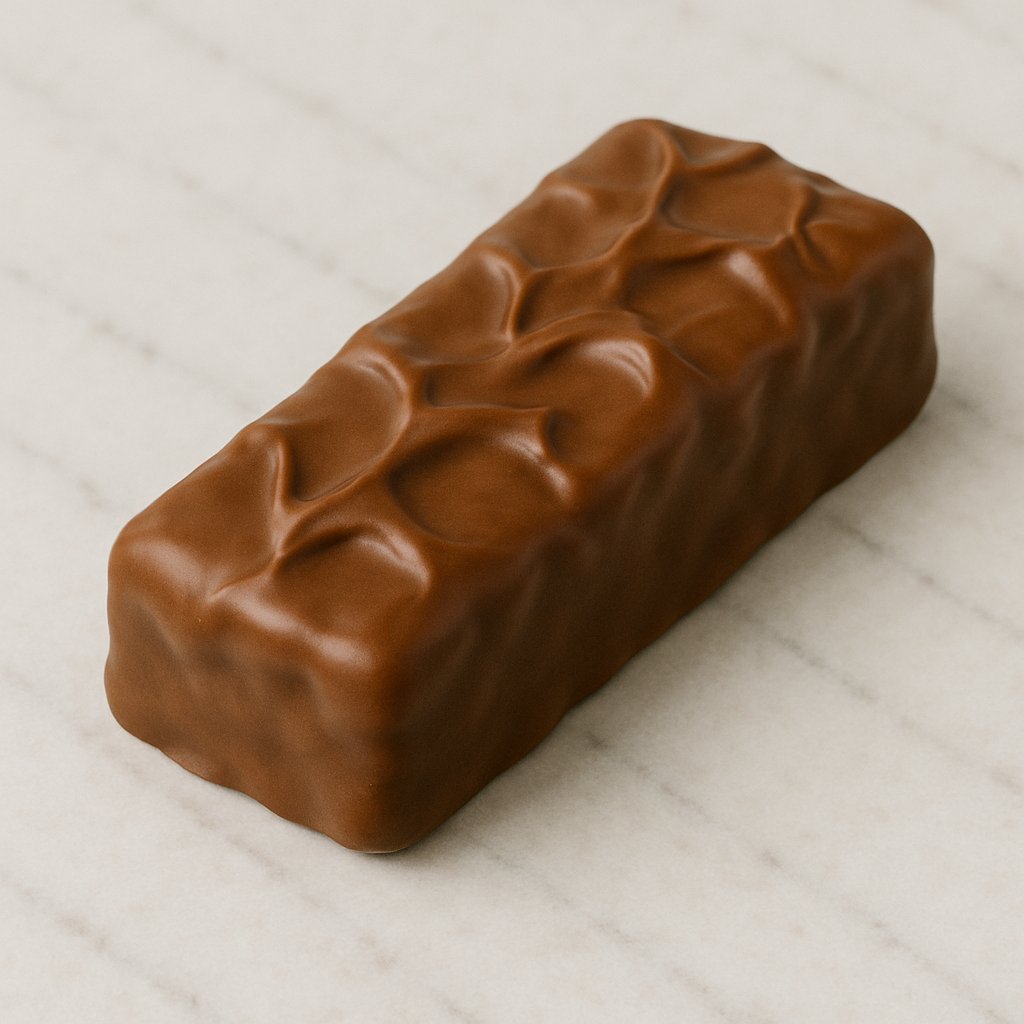
If by "Snicker" you mean the ingredient, many people first think of the well-known chocolate bar brand Snickers. This bar is made of several ingredients such as chocolate, peanuts, caramel and nougat. Therefore the availability and different types concern where you can buy the bar and which variants exist.

Where does Snickers come from and where is it produced?
Snickers was originally invented in the USA and today belongs to a large confectionery company that produces the bar in several countries. That means: you can find Snickers in many supermarkets, kiosks and petrol stations worldwide. Often the bars are produced in factories located in different regions — so the packages reach many countries, similar to a baker who bakes cupcakes in several branches and distributes them.

Typical places of sale

  • Supermarkets: wide choice of different pack sizes.
  • Kiosks and petrol stations: convenient when you want a bar quickly.
  • Online shops: here there are sometimes special offers or larger quantities.
  • Specialty stores: confectionery shops sometimes carry rare or limited editions.
What flavours and variants are there?
Snickers is not only available in the classic form. Manufacturers keep releasing new variants to suit different tastes. Here are some examples you might have seen:

  • Classic Snickers – the original bar with peanuts, caramel, nougat and chocolate.
  • Snickers Peanut Butter – instead of the usual nougat there is a layer of peanut butter in the bar.
  • Snickers Almond – almonds are used instead of peanuts.
  • Snickers White – here the chocolate is white instead of milk, which changes the taste.
  • Snickers Mini – smaller bars for parties or if you only want a small piece.
  • Snickers Dark – dark chocolate instead of milk chocolate, for people who prefer less sweetness.
  • Limited Editions – time-limited flavours, e.g. with cookie pieces, caramel sauce or special spices.
Why are there so many variants?
Manufacturers try new things because people have different tastes. Some like less sweet, others like more nut flavour. Some variants are also intended for a short time, similar to a toy shop offering special figures at Christmas. That makes it exciting: you never know which new flavour will come next.

Availability worldwide and regionally
In large cities and countries with many supermarkets common varieties are usually easy to find. In smaller places or in countries with stricter import rules it may happen that only the standard version is offered. Sometimes countries have their own recipes or packaging — this is comparable to an ice cream flavour that is popular in one region but not sold in another.

Tips if you are looking for a specific variety
If you want to try a rare or new variety, you can check online to see if shops have it, or ask in larger supermarket chains. Sometimes international online shops or confectionery stores have special packs with different bars.

In summary: Snickers is widespread and produced and sold in many countries. There is the classic version and many exciting variants — from mini bars to nut swaps to white or dark chocolate editions. So almost everyone can find their favourite variety, and occasionally new, surprising variants appear.
Details & nutrition

Property Value
Unit g
Average weight per piece 50
Calories per 100 485
Protein per 100 9.0
Carbohydrates per 100 60.0
Sugar per 100 51.0
Fat per 100 23.0
Saturated fat per 100 8.5
Monounsaturated fat 10.0
Polyunsaturated fat 3.0
Fiber per 100 2.0
Vitamin C (mg) per 100 0
Vitamin D (IU) per 100 0
Calcium (mg) per 100 90
Iron (mg) per 100 1.5
Nutri-Score E
CO₂ footprint 3.0
Origin Industrially produced chocolate bar, ingredients originate internationally
Gluten-free No
Lactose-free No
Nut-free No
Vegan No
Note Nutritional values are average values for commercially available Snickers bars and may vary slightly depending on the manufacturer and recipe.

Technical & scientific information

Snicker in technical and gastronomic contexts usually does not denote a standardized food or a single chemical, but is often an abbreviated or misleading form of the brand name Snickers, a chocolate bar from the confectionery manufacturer Mars, Inc. For scientific considerations of the ingredient "Snicker" it is therefore useful to understand the term as a collective designation for the typical composition of a Snickers-like chocolate bar. This allows analysis of the relevant ingredients, their chemical properties, nutritional values as well as processing and storage aspects.

Composition and ingredients
A typical Snickers-like bar consists of several clearly distinguishable components: a coating layer of milk chocolate, a layer of caramel, a layer of chopped or whole peanuts and a nougat- or sugar- or protein-based core. Chemically, the relevant ingredient classes are:

  • Fats: mainly triglycerides from cocoa butter, milk fat and vegetable fats (partially hydrogenated or partially solidified), which determine physical properties such as melting point and texture.
  • Carbohydrates: sucrose, glucose-fructose syrup, inverted sugar solutions and polysaccharides (e.g. cane sugar, corn starch) contribute to sweetness, water activity and viscosity of caramel and nougat.
  • Proteins: mainly from milk components (casein, whey proteins) as well as from peanuts (arachin, conarachin), which provide structural and nutritional properties.
  • Minerals and vitamins: present in smaller amounts, particularly magnesium, phosphorus, potassium and biotin from peanuts and calcium from milk components.
  • Water: low water content, which is nevertheless critical for texture and microbiological stability; water activity is controlled by sugars and fats.
  • Specific additives: emulsifiers (e.g. lecithin), preservatives, flavours (vanillin), antioxidants (e.g. BHT/BHA in some formulations) and acidity regulators may be used to improve stability, taste and shelf life.
Nutritional values and energy content
A Snickers-like bar provides a high energy density, typically 450–550 kcal per 100 g, depending on fat and sugar content. Macronutrient distribution is usually about 25–35 % fat, 50–60 % carbohydrates (of which a high proportion are simple sugars) and 5–10 % protein. The high sugar and fat content leads to rapid energy supply, while fiber content is low.

Processing methods
Industrial production is divided into several production steps: roasting and crushing the peanuts, cooking and setting the caramel (Maillard reactions are important here for colour and flavour), shaping the bar cores and coating with tempered chocolate. Tempering of the chocolate is crucial to achieve a stable crystal structure of cocoa butter (especially form V), which determines gloss, snap and melting behaviour. During caramel cooking, temperature profiles, sugar-water ratios and the presence of milk proteins influence the glass transition temperature, viscosity and tendency to crystallise.

Health aspects
From a nutritional point of view such bars should be considered energy-dense, highly processed foods. In the short term they provide rapidly available energy, however frequent consumption and high intake of saturated fatty acids and free sugars can increase the risk of overweight, insulin resistance, dental caries and lipid metabolism disorders. Allergens are especially peanuts and milk proteins; for people with nut allergies or lactose intolerance such products pose a significant health risk. For sensitive consumers additives or trace amounts of trans fats may also be relevant.

Storage and shelf life
Shelf life depends on moisture migration, fat oxidation and microbiological stability. Protective measures include moisture barriers in packaging, antioxidant additives and controlled storage temperatures (cool, dry, protected from light) to minimise fat rancidity and quality loss.

In summary, a "Snicker"-like bar is a complex, multi-phase food product whose properties are determined by composition, thermal treatment and physico-chemical processes. For consumers the most important health considerations are allergenic components, high energy content and the levels of sugar and saturated fats.

Wiki entry for: Snickers
Active now: 24 visitors of which 2 logged-in members in the last 5 minutes