Menu & categories

Shallot

Mild, aromatic onion variety for subtle culinary flavors

Wiki about shallot Nutri-Score A Vegan Yes Gluten-free Yes Lactose-free Yes Nut-free Yes
NUTRITION / 100 g
72 kcal 2.5 g Protein 16.8 g Kohlenhydrate 0.1 g Fett

Introduction

Fresh shallots with skins on a wooden board
I still remember the first intense scent I ever noticed from a shallot: a colleague sliced it finely for a spontaneous dinner, and as if someone had opened a jar of warm honey with a pinch of onion aroma, the room filled with a surprisingly gentle spice. Since then the shallot has remained for me a small kitchen wonder that supports recipes without dominating them.

Shallots are like the reserved but indispensable supporting characters in my culinary ensemble. They belong to the onion family, but their texture is finer, their flavor more elegant: less sharp than a raw onion, with a sweet‑nutty note that caramelizes when frying and adds fresh, floral accents when eaten raw. I use them when I want to gently round a sauce, when I want a vinaigrette profile that conveys elegance rather than heat, or when I want to give a soup a subtle depth.

I love practical things just as much: shallots are easy to peel, and a well‑cut shallot looks so pretty in the pan that I sometimes pause to watch the golden colors. A colleague of mine swears by placing them in thin slices on a piece of toasted bread, together with a drop of good olive oil and a pinch of sea salt — such a simple but perfect bite.

  • Use: raw in dressings, finely chopped in sauces, slowly caramelized for depth.
  • Taste: mild, sweet‑nutty, less sharp than onion.
  • Tips: always cut sharply, briefly sauté for sweetness, pickle in vinegar for quick garnishes.
Sometimes I think the shallot is a secret tip for dishes where you don't want to boast about flavors but to convince with finesse. It is uncomplicated, forgives mistakes and rewards patience. When I like to surprise guests one evening, the shallot is often my little trick to bring depth and personality to the dish without being loud.

Availability & types

Availability and types of shallot

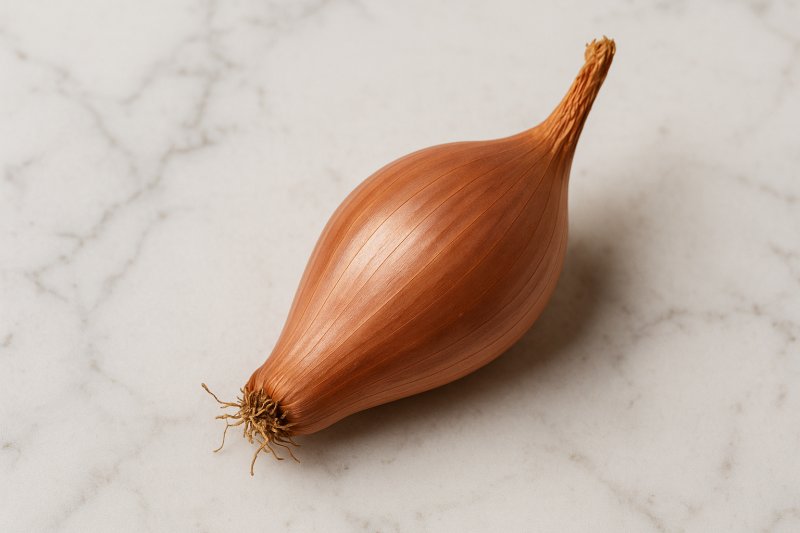
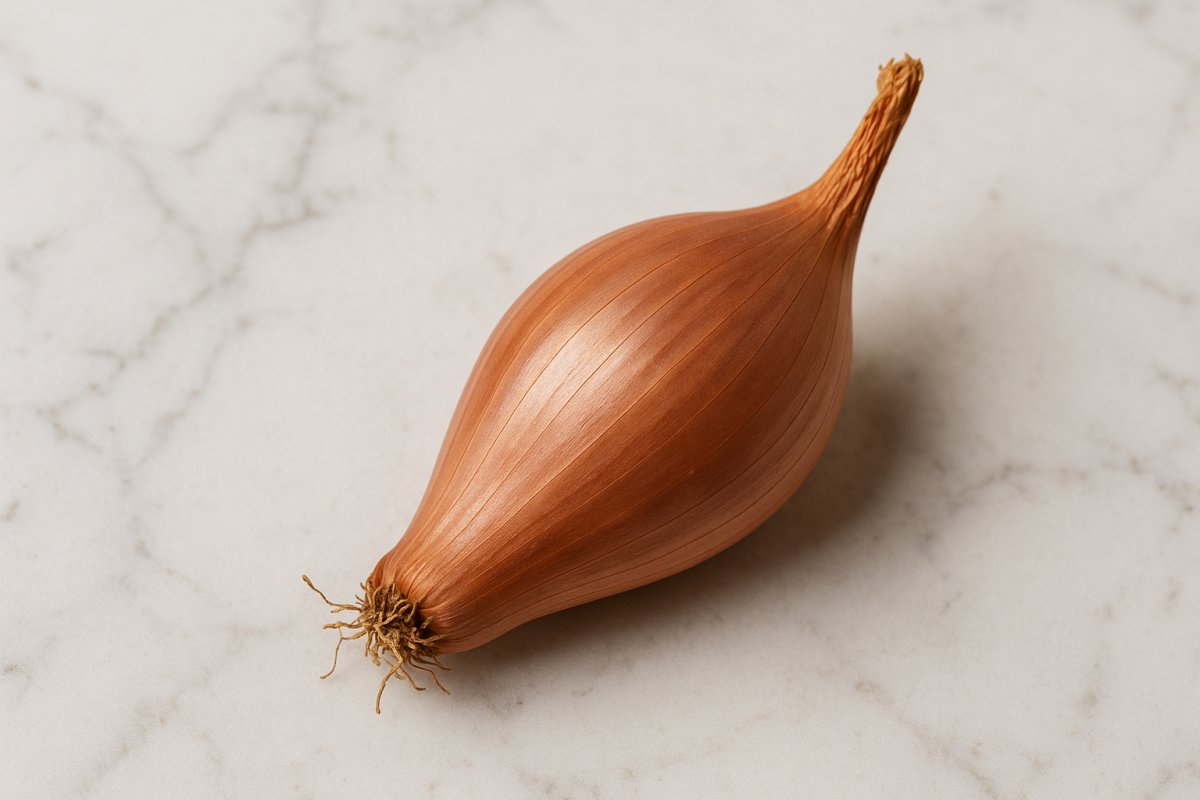
The shallot is a type of onion used in many kitchens. It looks like a small onion but often has a softer shape and several “cloves” or small segments inside, similar to a garlic bulb. Shallots can be bought year‑round, but their availability depends on where they are grown and which variety is currently in season.

Origin
Shallots originally come from Asia — especially from regions that are now part of India, Southeast Asia and the Middle East. They have been cultivated for many years because they have a mild, slightly sweet flavor. Compared to the common kitchen onion, shallots are often finer in taste, which is why they are used particularly in salads, delicate sauces and dishes where the onion flavor should not be too dominant.

Growing regions
Shallots are now grown worldwide. Important growing regions include:

  • Europe: Countries like France, the Netherlands and Spain grow many shallots. France is especially known for its fine varieties.
  • North America: In the US and Canada there are regions that grow shallots for the domestic market and for export.
  • Asia: In countries such as India, China and Thailand shallots are also commonly grown and used.
  • Regional cultivation: Small cultivation areas can also be found in Germany, Austria and Switzerland, especially among hobby gardeners or at farmers' markets.
Available varieties and types
There are different varieties of shallots that differ in shape, color, size and flavor. Here are some easy‑to‑understand examples:

  • French shallots: Often elongated and slim, with a somewhat more intense yet still delicate note. Many chefs prefer them for sauces.
  • Round or common shallots: These look more like small onions and are sometimes milder. They are ideal when you want to use onion flavor only subtly.
  • Red or purple shallots: These have a darker outer skin. They look attractive in salads and sometimes have a slightly sweet‑spicy bite.
  • Green shallots (spring onions): In trade people sometimes refer to young shallots or spring bulbs. These are freshly harvested and have soft green parts — they taste particularly mild.
Fresh, dried or pickled?
You will usually find shallots fresh in supermarkets or at the weekly market. Sometimes they are also available dried as powder or finely chopped in jars. Pickled shallots are smaller and preserved in vinegar or oil — they are convenient because they last longer and have a tangy flavor.

Tips for selection
When buying shallots, look for a firm, dry skin and no soft spots. Fresh shallots are plump and not shriveled. At the market, feel free to try different varieties — each has its own small difference in flavor, similar to different apple varieties.

In summary: shallots are available year‑round, grown in many countries, and come in several varieties — from the fine French type to round or red variants. They are milder than common onions, versatile and available fresh or preserved, which makes them popular in many kitchens.
Details & nutrition

Property Value
Unit g
Average weight per piece 15
Calories per 100 72
Protein per 100 2.5
Carbohydrates per 100 16.8
Sugar per 100 7.9
Fat per 100 0.1
Saturated fat per 100 0.02
Monounsaturated fat 0.01
Polyunsaturated fat 0.05
Fiber per 100 3.0
Vitamin C (mg) per 100 8
Vitamin D (IU) per 100 0
Calcium (mg) per 100 37
Iron (mg) per 100 1.2
Nutri-Score A
CO₂ footprint 0.3
Origin Worldwide, especially Europe and Asia
Gluten-free Yes
Lactose-free Yes
Nut-free Yes
Vegan Yes
Note Nutritional values for raw product, average; may vary slightly depending on variety and growing region.

Technical & scientific information

Shallot (Allium cepa var. aggregatum bzw. Allium ascalonicum) is a variety of onion in the genus Allium, distinguished by small, elongated bulbs and a finer, sweeter taste than table onions. Botanically, many cultivated shallots are multi‑bulbs that grow in a cluster of daughter bulbs. The plant produces narrow, tubular leaves and an underground storage organ, the shallot, which is used as an ingredient in cooking and food production.

Chemical composition and constituents
Shallots are composed mainly of water (approx. 60–75 %) and provide carbohydrates, fiber and small amounts of protein and fat. Important chemical compounds include:

  • Sulfur compounds: Like other Allium species, shallots contain S‑alk(en)yl‑L‑cysteinsulfoxide (e.g. isoalliin), which, when cut, are converted by the enzyme alliinase into various volatile sulfides. These compounds are responsible for the typical aroma and the eye‑watering effect.
  • Flavonoids and polyphenols: Quercetin and related flavonols are detectable in shallots and contribute to antioxidant capacity.
  • Vitamins and minerals: Shallots provide small to moderate amounts of vitamin C, B vitamins (especially B6) and minerals such as potassium, manganese and iron.
  • Prebiotic fibers: Inulin‑like fructans occur in Allium plants and can positively influence the gut microbiota.
Nutritional values (typical values per 100 g)
A raw shallot contains about 70–90 kcal, roughly 15–20 g of carbohydrates (of which a few grams are sugars), 2–3 g of fiber, 2–3 g of protein and negligible amounts of fat. Content varies by variety and maturity.

Processing and culinary use
Shallots are used raw, sautéed, caramelized, confit or as part of sauces and marinades. Chemical reactions during heating alter the aroma: sulfur compounds break down or condense to less volatile sulfides, while Maillard reactions during frying produce sweeter and more complex flavor notes. Common processing methods include:

  • Chopping/Cutting: Leads to formation of volatile sulfides; coarse cutting (large pieces) reduces intensity.
  • Sautéing/Caramelizing: Mild heat treatment converts sugars and amino acids into aromatic compounds.
  • Pickling/Marinating: Acetic acid and salt change texture and flavor and preserve the bulbs.
  • Preservation: Drying or freeze‑drying preserves aroma compounds; jars in oil require tested procedures due to possible botulism risk.
Health aspects
Shallots are generally considered health‑promoting as part of a balanced diet. Antioxidant constituents and sulfur‑containing compounds are associated with potential positive effects, including antimicrobial activity, cardiovascular support through regulation of blood lipids and possible anti‑inflammatory effects. Prebiotic fructans can benefit the gut flora but may cause bloating and discomfort in sensitive individuals.

Possible intolerances should be noted: people with an allergy to onion family plants or with histamine intolerance may react to shallots. Also, raw shallots can irritate the eyes and mucous membranes because of their sulfur compounds. In therapeutic dosages, extracts from Allium plants are being studied for cardioprotective effects, but the evidence is heterogeneous and not always directly transferable to shallots specifically.

Storage and quality features
Fresh shallots have a firm texture, shiny skin and an intense smell; soft or moldy specimens should be discarded. For storage they are best kept dry, cool and dark with good ventilation; under optimal conditions shallots can keep for several months. Cut surfaces oxidize and should be avoided for extended storage.

Overall, the shallot combines culinary versatility with an interesting chemical composition that determines flavor, preservation and potential health effects. It therefore remains a relevant item both in the kitchen and in nutritional research.

Wiki entry for: shallot
Active now: 18 visitors of which 2 logged-in members in the last 5 minutes