Availability and types of wheat semolina
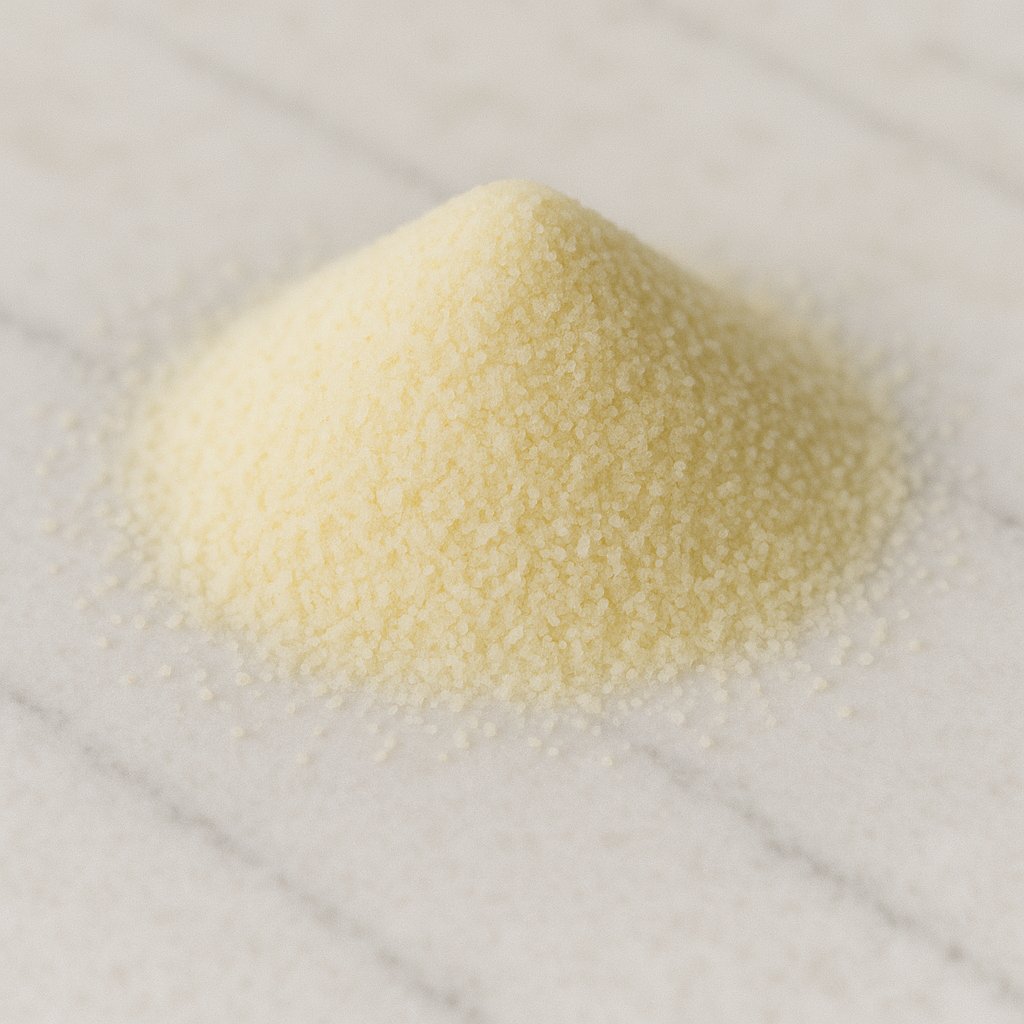
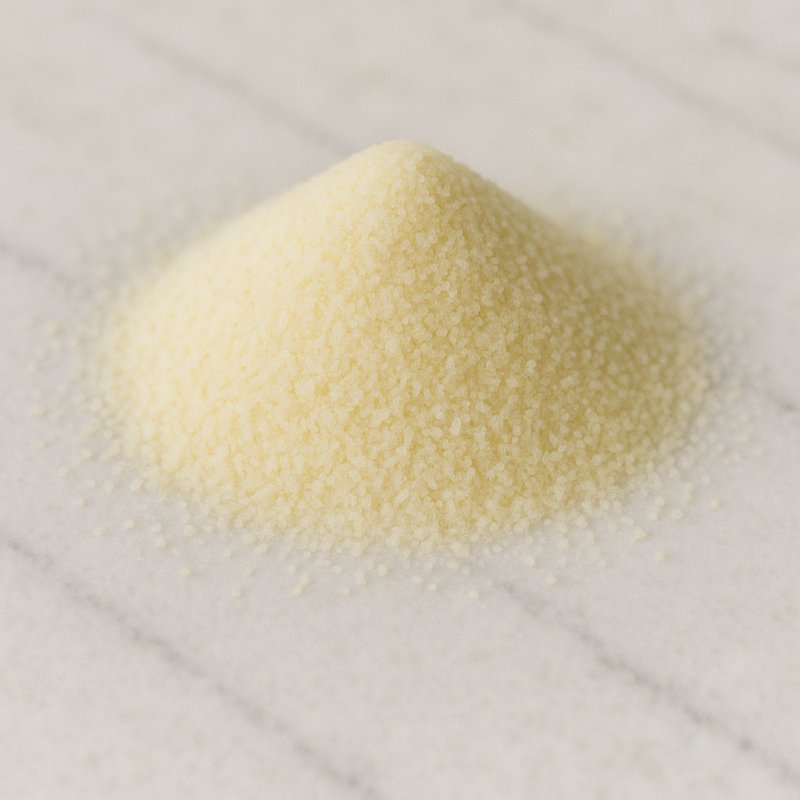
Wheat semolina is a food made from wheat. You can buy it in many supermarkets, organic stores and farmers' markets. There are different kinds of wheat semolina that differ in fineness, color and the part of the grain they are made from. These differences are like sand: there is coarse sand (coarse semolina) and fine sand (fine semolina). All semolina types have one thing in common: they come from the wheat grain.
Origin and growing regions
Wheat grows in fields. It is cultivated in many countries, especially where the climate is not too hot and not too cold. Important producing countries in Europe include Germany, France and Poland. Much wheat is also grown in North America (especially the USA and Canada), in Russia and in parts of Asia. If you look at a package of semolina, it often states the country of origin of the wheat. Sometimes it also says “European” or “regional” when it comes from nearby.
Available varieties and options
- Fine wheat semolina: It is very small and soft, almost like flour with a bit more structure. Children often like it in milk porridge or pudding because it cooks soft.
- Coarse-grained wheat semolina: This is coarser and has larger grains. It is frequently used for pasta dough or as a side dish because it retains a firm texture when cooked – a bit like small pearls.
- Durum semolina (hard wheat): This variety comes from a special wheat species called “durum wheat.” It is more yellow and is often used for pasta because it stays nicely firm when cooked. A simple comparison: durum semolina is like a sturdy building block that holds its shape.
- Soft wheat semolina: Made from soft wheat, it is lighter and finer. It is well suited for sweet dishes and porridges because it softens quickly.
- Whole grain semolina: In this variant more of the whole grain is retained, including the bran and germ. Therefore it is darker and contains more fiber. It is healthier, but tastes a bit nuttier and sometimes takes longer to cook.
- Organic semolina: Here the wheat was grown without chemical pesticides. For people who prefer more environmentally friendly products, organic semolina is a good choice.
How do you recognize the right type?
The package will show indications like “fine”, “coarse”, “durum” or “whole grain”. Sometimes it also says “semolina” — that is the English name for durum semolina. If you want to know whether the semolina comes from your region, check the country of origin on the packaging. Organic labels indicate that farming was done without certain chemicals.
Why are there so many types?
Each type has different properties that are important in cooking. Some soften quickly and are suitable for puddings, others remain firm and are ideal for pasta or dumplings. Whole grain variants are healthier because they contain more nutrients, similar to how whole apples have more fiber than apple juice.
In summary: wheat semolina is easy to find and comes from many countries. There are fine and coarse semolinas, durum and soft wheat semolinas, whole grain and organic variants. Which type is best depends on what you want to cook — and that is what makes the choice both interesting and practical.