Menu & categories

Semi-dark chocolate

Semi-dark chocolate with medium cocoa content

Wiki about semisweet chocolate Nutri-Score E Vegan No Gluten-free Yes Lactose-free No Nut-free No
NUTRITION / 100 g
520 kcal 6.0 g Protein 55.0 g Kohlenhydrate 31.0 g Fett

Introduction

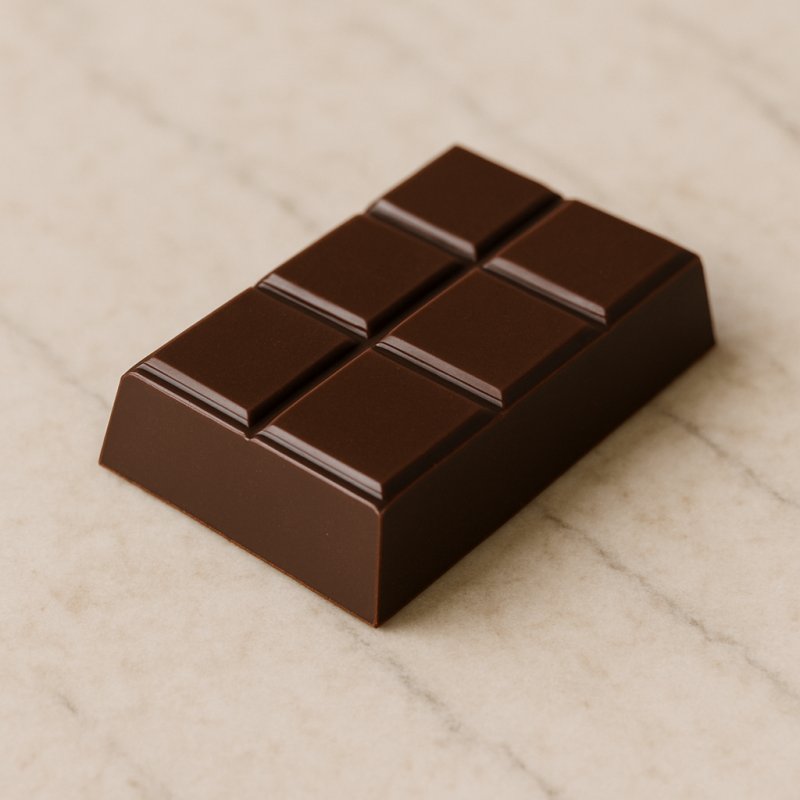
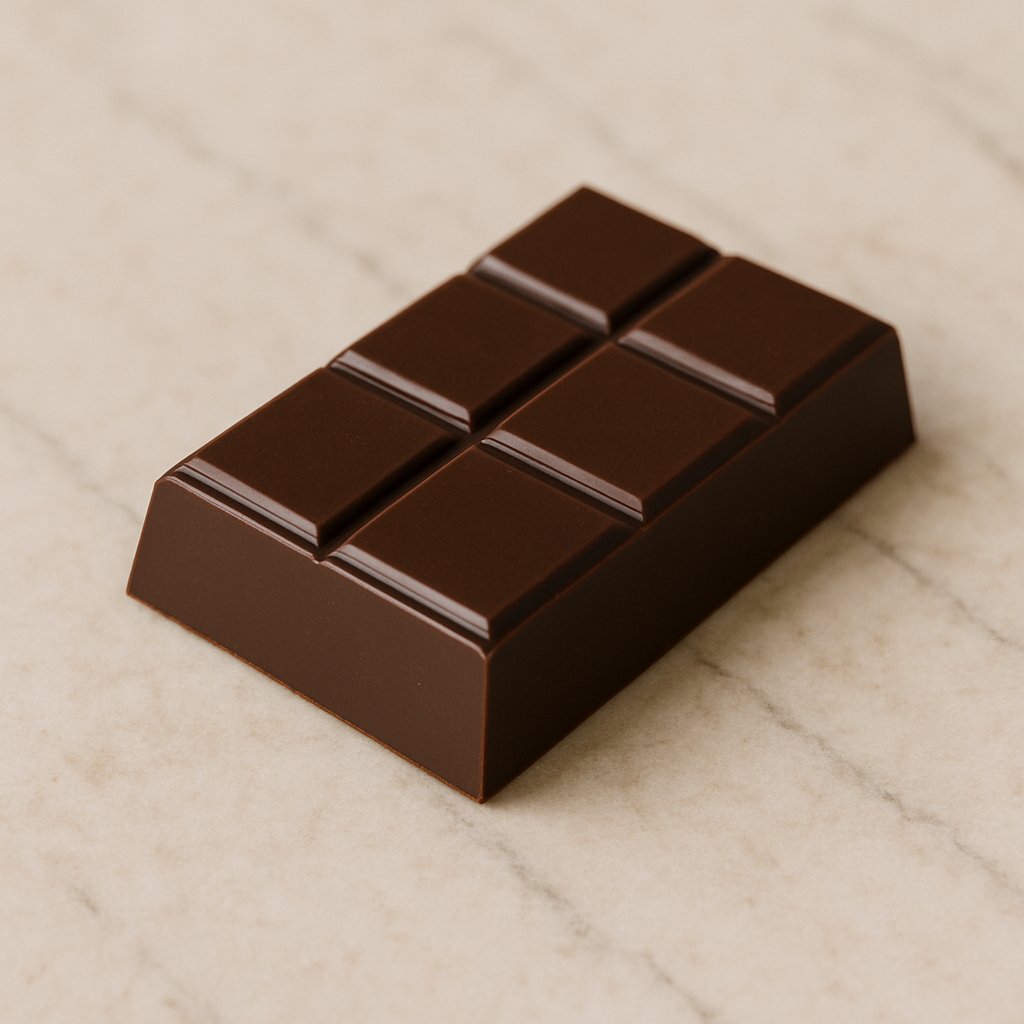
Piece of semi-dark chocolate, broken
I still clearly remember the first intense bite into a bar of semi-dark chocolate, as if it were a small revelation: enough cocoa to demand attention, but not so bitter that it stays stubborn. That mix of strength and approachability has stuck with me ever since. Semi-dark chocolate sits for me exactly in the golden middle – it is the kind of chocolate that can be enjoyed on its own and that is versatile in the kitchen.

What I particularly love about it is its balance. It typically has a cocoa content between 50 and 60 percent, making it noticeably more aromatic than milk chocolate, while at the same time not showing the combative bitterness of very dark varieties. A colleague once brought a praline that hit that balance exactly; we sat in the office, divided it into tiny pieces and took our time to discover the nuances. Those small moments are what make semi-dark chocolate a little everyday luxury for me.

In my kitchen it is a real all-rounder. It melts smoothly for sauces, gives cake batters depth and provides an elegant, non-dominant bitterness in desserts. I always keep a few bars on hand because it can elevate a dinner in a split second: a dusting of grated semi-dark chocolate over roasted vegetables, a few pieces in hot nuts or as a surprising element in a fruit sauce.

If you want to approach the unfolding of flavors, I recommend mindful tasting: chew small pieces, let the chocolate melt on the tongue and pay attention to the fruity, nutty or slightly smoky notes. Sometimes I discover unexpected nuances that recall dried cherries or almonds. This variety is what makes semi-dark chocolate so exciting.

  • Versatility: Ideal for baking, cooking and for pralines.
  • Balance: Less sweet than milk chocolate, more pleasant than very dark chocolate.
  • Storage: Cool and dry, away from strong odors.
In the end, semi-dark chocolate is for me the reliable companion in the kitchen and everyday life – elegant, down-to-earth and always ready to create small moments of pleasure.

Availability & types

Availability and types

Semi-dark chocolate is a very common type of chocolate that can be easily found in many countries. The name means it contains less sugar than milk chocolate but is not as bitter as dark chocolate. You can buy it in supermarkets, specialty baking stores, chocolatiers and often online. Sometimes it comes in large bars, sometimes as couverture, smaller bars or as chocolate pieces for baking.

Origin and raw material
The most important ingredient for semi-dark chocolate is cocoa mass, which is obtained from cocoa beans. Cocoa beans grow on cocoa trees, which thrive best in warm, humid parts of the world. Typical growing regions include:

  • West Africa (e.g. Ivory Coast and Ghana) – a large portion of the world's cocoa production comes from here.
  • South America (e.g. Ecuador, Brazil) – many particularly aromatic beans come from there.
  • Southeast Asia (e.g. Indonesia) – many beans are also grown here.
You can think of it like fruit trees: depending on where the tree stands and what the weather is like, the fruits taste slightly different. The same applies to cocoa beans: soil, climate and cultivation give chocolate different subtle aromas.

Available varieties and variants
Semi-dark chocolate is available in many variants so it fits different purposes. Here are some easy-to-understand examples:

  • Standard semi-dark chocolate – the classic bar with a medium cocoa content (often between 45% and 60% cocoa). It is versatile: for snacking, baking or coating pralines.
  • Couverture – a specialty chocolate that melts and shines particularly well. Pastry chefs use it because it becomes smooth when melted and sets nicely when cooled.
  • Baking chocolate – sometimes it is extra coarse or specially cut so it distributes well when baking. You can find it as chunks or chips.
  • Fine single-origin varieties – some bars indicate the country the beans come from (e.g. “Ecuador origin”). It's similar to coffee or tea: connoisseurs look for certain flavors.
  • With additions – semi-dark chocolate also comes with nuts, sea salt, fruit or spices. These additions change the flavor and make the chocolate interesting.
  • Vegan or lactose-free – these variants are for people who cannot or do not want to consume milk. Otherwise they are similar to normal semi-dark chocolate.
When you buy chocolate, there are some pointers that can help: check the cocoa percentage (the higher it is, the less sweet and more intense the flavor), read the ingredient list (to see nuts, milk or additions) and look for terms like “couverture” or “baking chocolate” if you intend to use it for cooking or baking.

In summary: semi-dark chocolate is widely available and comes in many forms – from bars for snacking to couverture for baking to specialty varieties with origin labeling or additions. That way everyone can find the right chocolate, whether they want to nibble something sweet, make pralines or bake a cake.
Details & nutrition

Property Value
Unit g
Average weight per piece 5
Calories per 100 520
Protein per 100 6.0
Carbohydrates per 100 55.0
Sugar per 100 50.0
Fat per 100 31.0
Saturated fat per 100 19.0
Monounsaturated fat 9.0
Polyunsaturated fat 1.0
Fiber per 100 7.0
Vitamin C (mg) per 100 0
Vitamin D (IU) per 100 0
Calcium (mg) per 100 60
Iron (mg) per 100 3.0
Nutri-Score E
CO₂ footprint 4.5
Origin Varies by manufacturer, often produced in the EU with cocoa from West Africa or South America
Gluten-free Yes
Lactose-free No
Nut-free No
Vegan No
Note Nutritional values are average values for commercially available semi-dark chocolate with approximately 45–55% cocoa content. Actual values may vary by brand and recipe.

Technical & scientific information

Semi-dark chocolate is a category of chocolate characterized by a balanced proportion of cocoa solids and sugar and a typical fat content from cocoa butter. It sits, in taste and texture, between milk chocolate and dark chocolate and is often offered with a cocoa mass content of about 45–60%. These percentages refer to the total share of dry extract components from cocoa, i.e. cocoa mass and cocoa butter.

Chemical composition and ingredients: The main components are cocoa solids (nonfat components of the cocoa bean), cocoa butter (vegetable fat) and crystalline sugar. Cocoa solids contain, among other things, cocoa compounds such as theobromine, small amounts of caffeine, polyphenols (especially flavanols), proteins, fiber and minerals like magnesium, iron and potassium. Cocoa butter consists mainly of triglycerides with saturated fatty acids (e.g. stearic acid, palmitic acid) and monounsaturated fatty acids (primarily oleic acid). Emulsifiers such as lecithin (often soy lecithin) and, in some recipes, vanillin or natural vanilla are often added for flavoring.

Nutritional values (typical reference values per 100 g):

  • Energy: approx. 500–600 kcal
  • Fat: 30–40 g, of which saturated fatty acids about 18–24 g
  • Carbohydrates: 45–55 g, of which sugars 40–50 g
  • Protein: 5–8 g
  • Fiber: 5–10 g
  • Minerals and trace elements: small amounts of magnesium, iron and potassium
Processing methods: Production begins with fermentation and drying of the cocoa beans, followed by roasting to develop flavor. After breaking and removing the shells, the cocoa nibs are ground to cocoa mass. The mass is pressed to obtain cocoa butter; the remaining nonfat solids yield cocoa powder. For semi-dark chocolate, cocoa mass, cocoa butter and sugar are proportionally mixed. This is followed by conching, a long stirring at controlled temperature that refines texture and reduces unwanted volatile acids, and tempering, a critical step in which the crystal structure of cocoa butter is deliberately controlled to achieve gloss, firmness and a clean snap. Finally the chocolate is poured into molds and cooled.

Sensory and physical properties: Semi-dark chocolate is characterized by a firm yet easily melting texture that softens at body temperature. The aroma includes bittersweet, fruity or nutty notes, depending on the origin and processing of the beans. Cocoa butter crystallization affects the mouthfeel.

Health aspects: Cocoa solids contain bioactive polyphenols and flavanols that in studies have been associated with positive effects on endothelial function and blood pressure. Theobromine has a mild stimulant effect and is milder than caffeine. Due to the considerable sugar content and high fat content, semi-dark chocolate is energy-dense; moderate consumption is advisable, especially for people with metabolic conditions. Allergies and intolerances are rare but can be relevant due to additives such as soy lecithin or traces of milk. Pregnant and breastfeeding people should monitor caffeine and theobromine intake, although the amounts present in commercial semi-dark chocolate are generally moderate.

Storage and quality: Semi-dark chocolate should be stored cool (ideally 12–18 °C) and dry, protected from strong odors and direct light. Products with fats that melt at low temperatures tend to develop fat bloom, a superficial whitening caused by crystallization of the cocoa butter; it impairs appearance and snap but not safety. Sugar bloom can occur with humidity. Quality indicators are a clear snap when broken, gloss and a clean melting behavior.

Overall, semi-dark chocolate offers a combination of sensory enjoyment and nutritionally relevant secondary plant compounds, while health effects are dose-dependent and conscious, moderate consumption is recommended.

Wiki entry for: semisweet chocolate
Active now: 20 visitors of which 2 logged-in members in the last 5 minutes