Availability and types of schnitzel
The word Schnitzel might sound as if it were a specific plant or fruit, but in cooking it refers to a thinly pounded piece of meat. Schnitzel is very popular in many countries because it is quick to fry and is often served crispy. Here I explain in an easy-to-understand way where schnitzel comes from, which variants exist and how easy it is to find in the store.
Origin
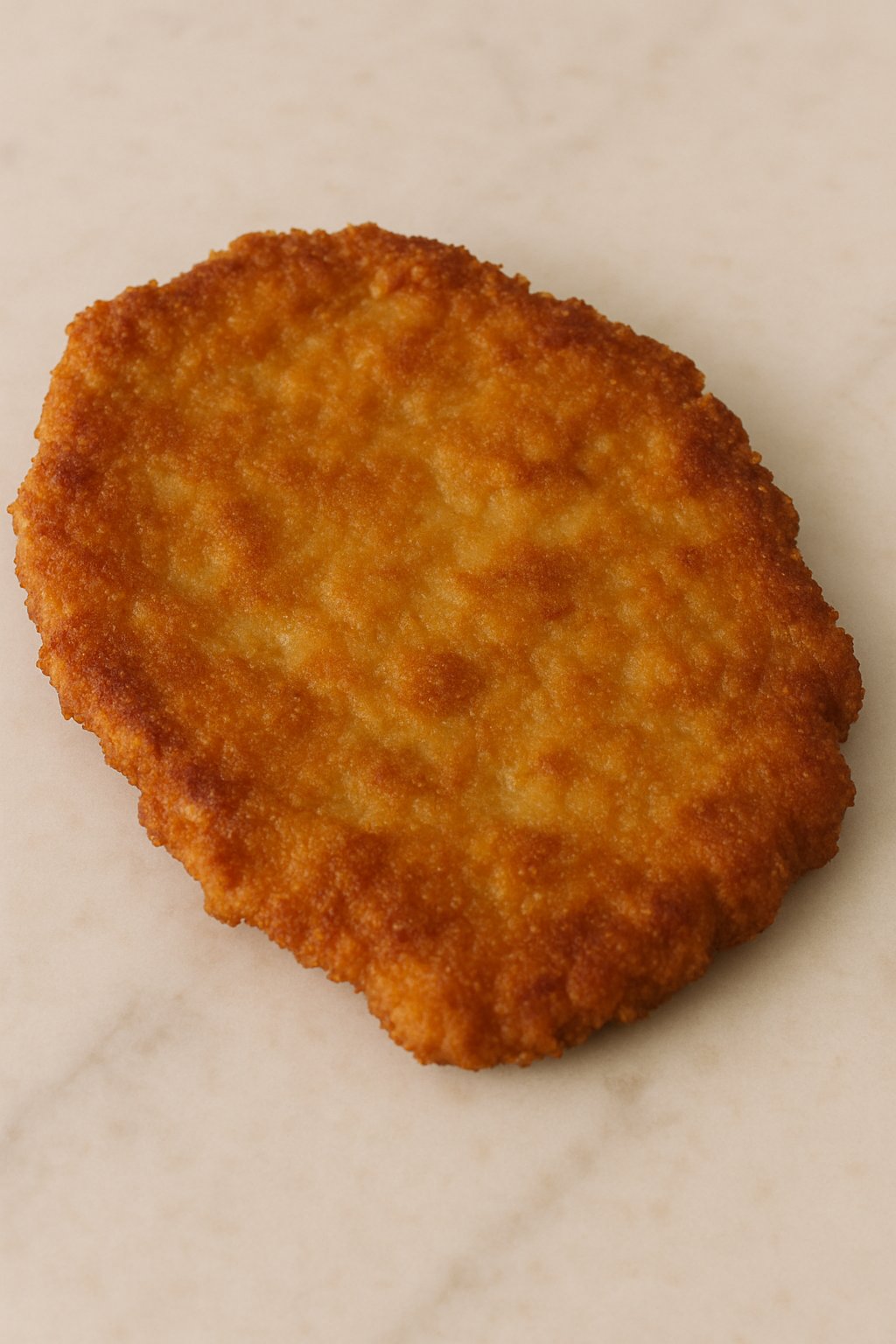
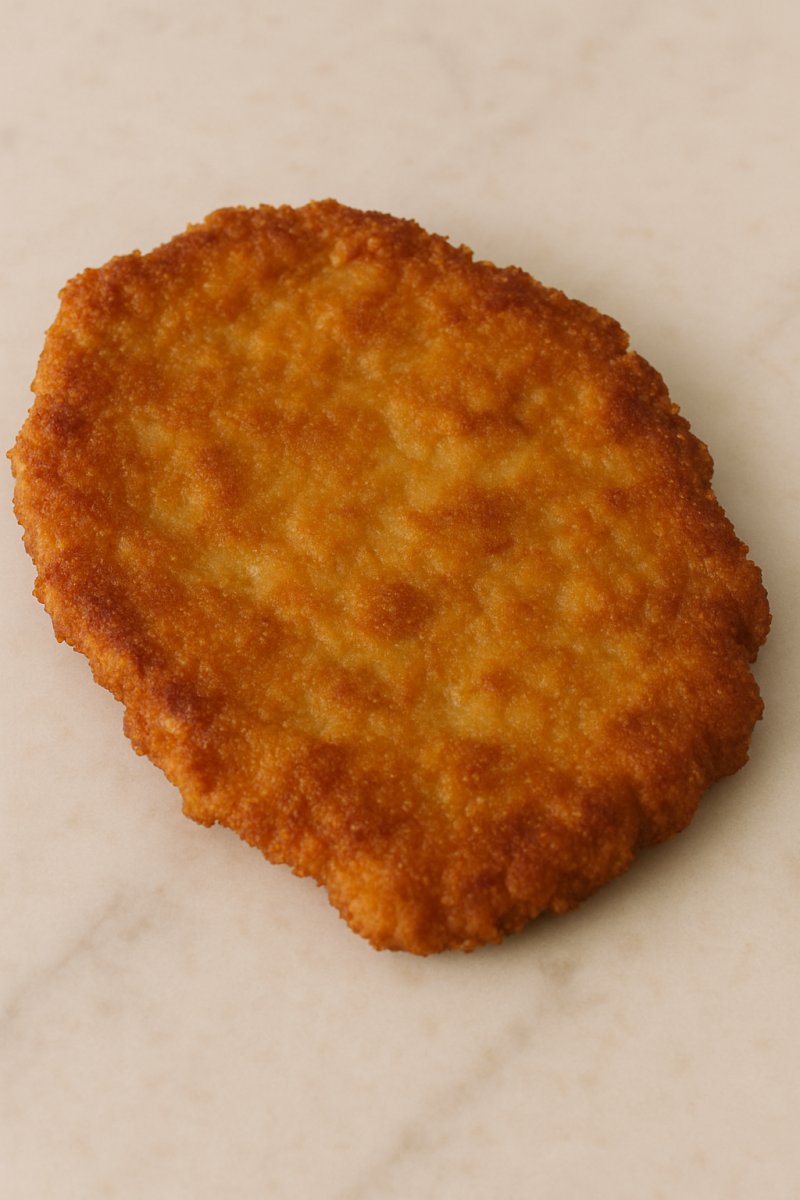
Schnitzel has its roots in Europe. The best-known form is the Wiener Schnitzel, which comes from Austria and is traditionally made from veal. Many countries, however, have invented or adapted their own version. The principle is always similar: a thin piece of meat is breaded (that is: rolled in flour, egg and breadcrumbs) and then fried. You can think of it as a thin, breaded piece of meat that is crispy on the outside and tender inside.
Schnitzel has its roots in Europe. The best-known form is the Wiener Schnitzel, which comes from Austria and is traditionally made from veal. Many countries, however, have invented or adapted their own version. The principle is always similar: a thin piece of meat is breaded (that is: rolled in flour, egg and breadcrumbs) and then fried. You can think of it as a thin, breaded piece of meat that is crispy on the outside and tender inside.
Farming areas / origin of the animals
Schnitzel itself does not grow in one place, but comes from animals like cattle, pork, veal or poultry. Therefore we rather speak of the countries or regions of origin of the animals:
Schnitzel itself does not grow in one place, but comes from animals like cattle, pork, veal or poultry. Therefore we rather speak of the countries or regions of origin of the animals:
- Austria and Germany: Schnitzel is very common here; many restaurants offer Wiener Schnitzel or pork schnitzel.
- Europe in general: Beef and pork often come from various European countries. Some producers raise animals locally and some import meat.
- Other world regions: In countries like the USA, Brazil or Australia there is also large-scale meat production, and schnitzel variants are made there from local meat.
Available types and variants
Schnitzel comes in many forms. Here are the most common ones, explained like for children:
Schnitzel comes in many forms. Here are the most common ones, explained like for children:
- Wiener Schnitzel: The classic schnitzel made from veal. It is thin, breaded and fried golden brown. You can eat it with a slice of lemon, which makes the flavor fresh.
- Pork schnitzel: Common in restaurants and at home. Pork is somewhat cheaper than veal and has a stronger flavor.
- Breaded turkey schnitzel or chicken schnitzel: Poultry schnitzel are somewhat lighter and often leaner (less fat).
- Jägerschnitzel, Zigeunerschnitzel etc.: These are variants where sauces or mushrooms are added. Jägerschnitzel has a mushroom sauce, which changes the taste.
- Vegetarian and vegan alternatives: For people who don't eat meat there are schnitzel made from soy, seitan (a wheat product) or vegetables. These are made so that they become crispy on the outside and have a meat-like texture inside.
How easy is it to find schnitzel in the shop?
Schnitzel is very easy to get in supermarkets, butcher shops and restaurants. In supermarkets there are preformed, packaged schnitzel from various animals, often already breaded. In the butcher shop you can buy fresh meat and have the schnitzel cut to your wishes – it's like at the baker who slices the bread fresh. For vegetarians and vegans many stores now offer plant-based schnitzel.
Schnitzel is very easy to get in supermarkets, butcher shops and restaurants. In supermarkets there are preformed, packaged schnitzel from various animals, often already breaded. In the butcher shop you can buy fresh meat and have the schnitzel cut to your wishes – it's like at the baker who slices the bread fresh. For vegetarians and vegans many stores now offer plant-based schnitzel.
In summary: Schnitzel is versatile, originally comes from Europe, and there are many types – from the classic veal Wiener Schnitzel to plant-based alternatives. You can find it almost everywhere, either fresh at the butcher or packaged in the supermarket, and with the different variants there is something for almost every taste.