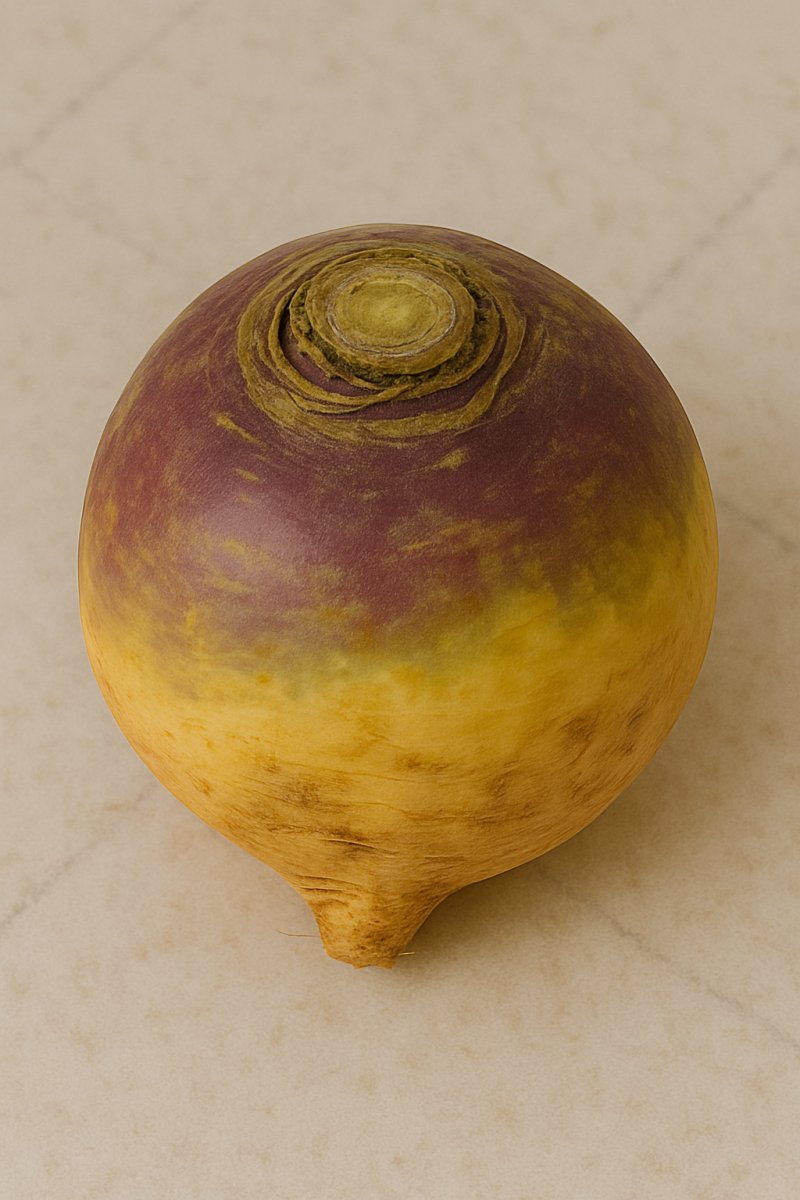
Availability and types of rutabaga – simply explained
The rutabaga is a root vegetable that belongs to the large plant family of Brassicaceae. It is related to cabbage, turnips and mustard. It is recognized by its round to slightly oval shape, the fairly thick skin and the firm, usually yellowish-white or whitish interior. Many people also know the rutabaga by other names, for example “wruke”, “kohlrübe” or “butterrübe”. It is robust, adaptable and has therefore been an important winter vegetable for centuries.
To help you understand when and where rutabagas are available and what types exist, here is a detailed, easy-to-understand overview.
To help you understand when and where rutabagas are available and what types exist, here is a detailed, easy-to-understand overview.
Origin and history
The exact origin of the rutabaga is not 100 percent documented, but many experts believe it originated from a cross between turnip and cabbage in Northern Europe. It was cultivated early especially in Scandinavia, Great Britain and Germany because it tolerates cold well and provided reliable food in winter. In the 19th and 20th centuries the rutabaga was an important staple in Germany, especially in times when other foods were scarce. Today it is enjoying a kind of “comeback” as regional and seasonal cuisine becomes popular again.
Availability during the year
Rutabagas are typical autumn and winter vegetables. Although they can be grown almost year-round somewhere in the world, in Central Europe there are clear main seasons:
- Harvest time: usually from September to February, depending on the region also into March.
- Main season in trade: October to January. During this time they are fresh, inexpensive and widely available.
- Storage: Rutabagas can be stored for several weeks in cool, dark rooms. Therefore you will often still find them at the end of winter.
<
