Availability and types
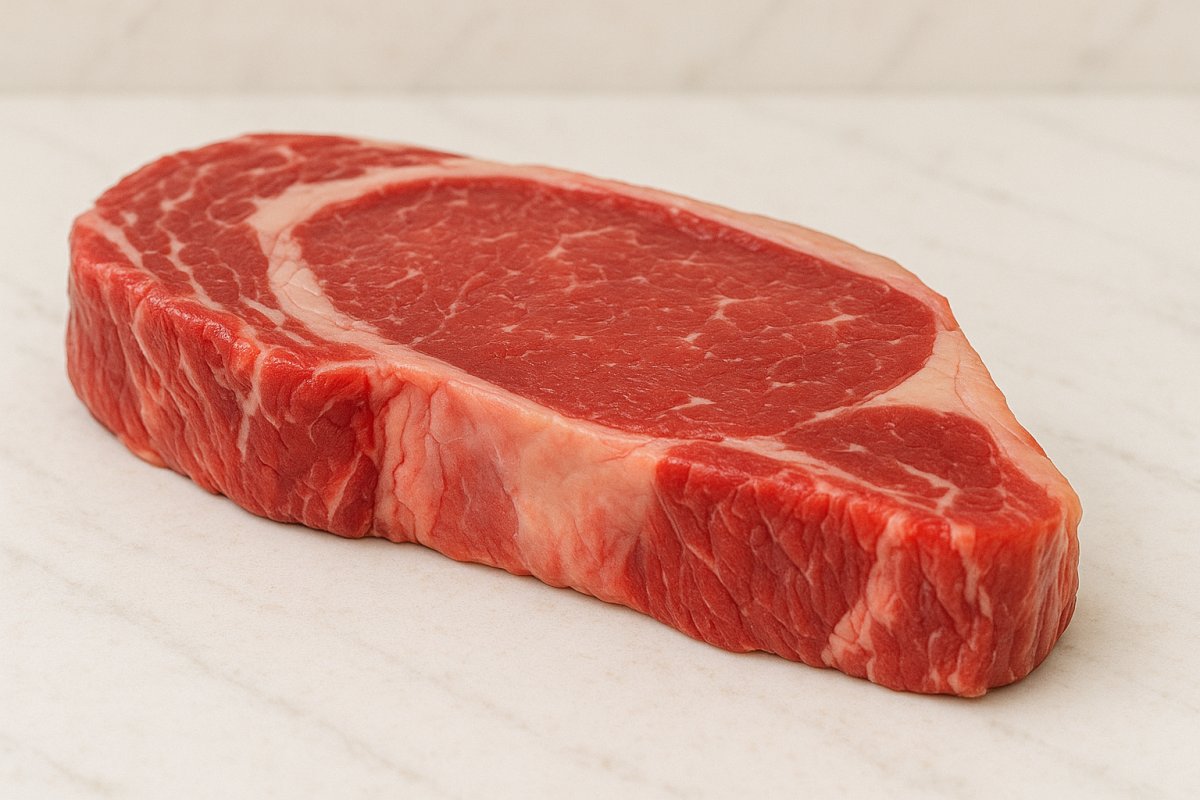
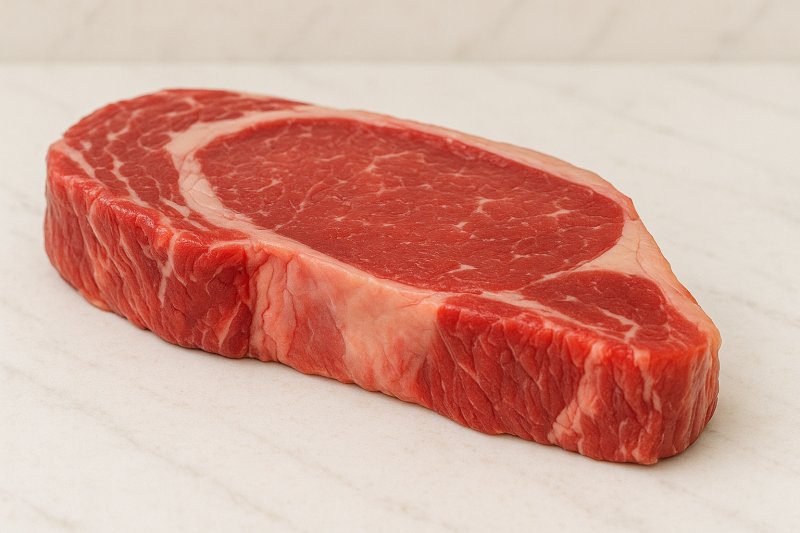
The rump steak is a popular cut of beef, cut from the rear back of the cow. Because it is tender and at the same time flavorful, you often find it in supermarkets, at the butcher or in restaurants. You can buy it fresh, frozen or already seasoned and packaged. Fresh rump steak is usually best in flavor, frozen goods are practical if you want to store it longer.
Origin and production areas
Rump steaks do not come from plants, but from cattle. Place of origin is important because it can influence the taste. Well-known supplier countries are:
- Germany: Many cattle are kept on German farms; you will often find regional rump steaks in the supermarket.
- Argentina: Argentine beef is famous for its strong flavor because the animals eat a lot of grass.
- Australia: Australia supplies a lot of beef, often from large contiguous farming areas.
- USA: Beef from the USA often has intense marbling (see explanation below).
If the country of origin is stated on the packaging, you can decide which type you prefer — for example regional or foreign.
Available varieties and variants
Rump steaks come in several variants. Here are the most important, simply explained:
- Grass-fed: The animals have eaten a lot of grass. The meat often tastes somewhat "earthy" and can be leaner. Imagine wearing light summer shoes – that's how it feels.
- Grain-fed: The animals received grain near the end of life. This often makes the meat juicier and "buttery" in taste because it has more fat.
- Fat marbling (marbling): Small streaks of fat in the meat that melt during cooking and give flavor. You can compare it to chocolate: a small piece with some fat melts better in the mouth.
- Dry-Aged: The meat hangs long in the cold room. It loses water, the flavor becomes more intense and nutty. It's like cheese aged longer.
- Wet-Aged: The meat matures in vacuum packaging in its own juices. It stays juicy and is often cheaper than dry-aged.
- Rest and cutting styles: Rump steak is available as whole pieces or already sliced. Thin slices cook faster, thick pieces stay juicy longer.
- Premium varieties: Some cattle breeds like Angus or Hereford are known for particularly tasty meat. They are kind of "brands" among cattle.
Where to get it
- Butcher: Here you often get advice and can ask about the exact origin.
- Supermarket: Convenient and often inexpensive, with fresh or vacuum-packed pieces.
- Farm: Buying directly is often very transparent and regional.
- Online: Frozen rump steaks can be conveniently delivered to your home.
In summary: rump steaks are available in many variants – from lean to very marbled, from different countries and with different aging methods. Those who like to experiment can find their favorite flavor this way, and those who like rustic styles may choose a grass-fed steak, while fans of juicy pieces opt for grain-fed or dry-aged.