Menu & categories

Rum

Distilled sugarcane spirit with a characteristic aroma

Wiki about rum Nutri-Score E Vegan Yes Gluten-free Yes Lactose-free Yes Nut-free Yes
NUTRITION / 100 ml
230 kcal 0 g Protein 0 g Kohlenhydrate 0 g Fett

Introduction

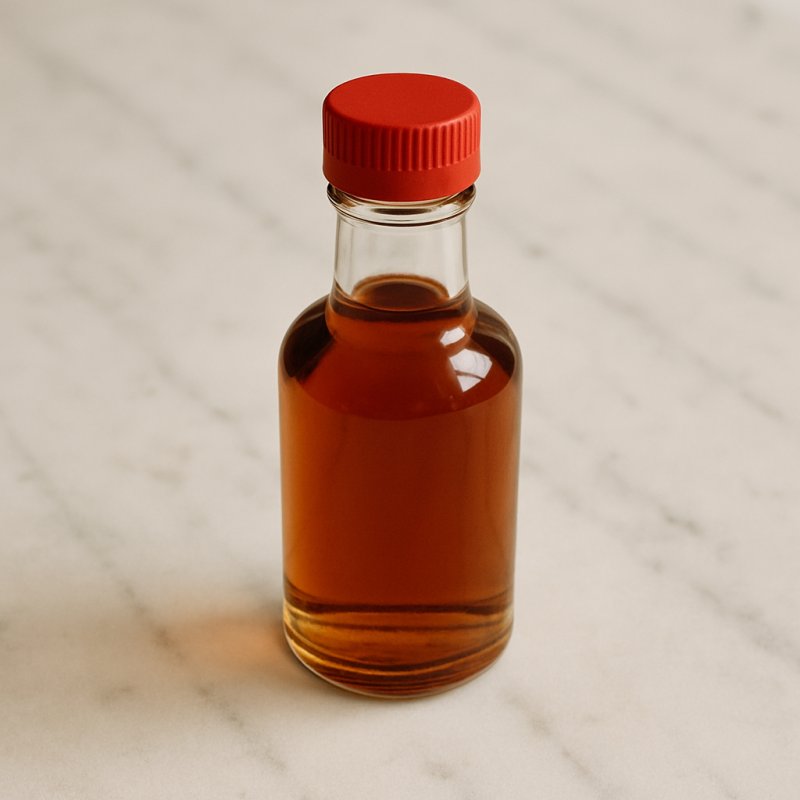
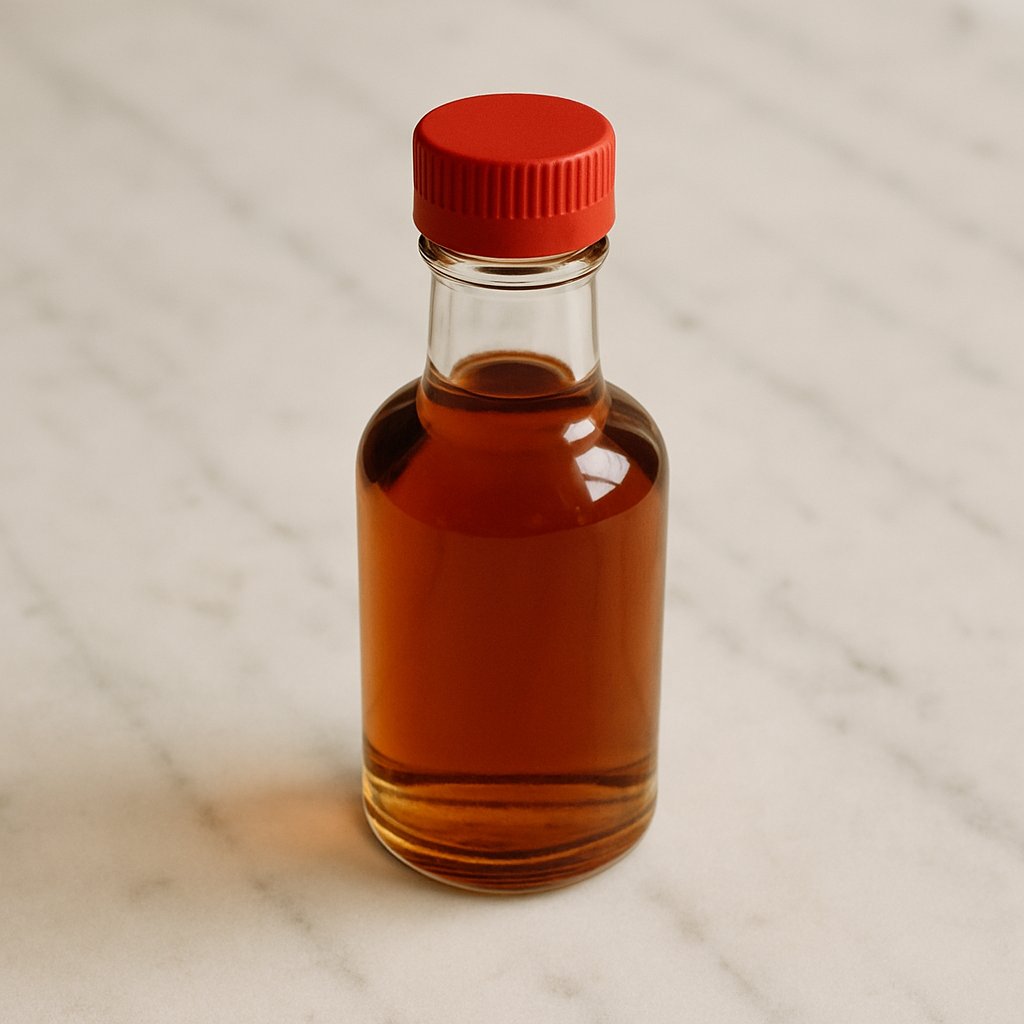
A glass of rum with a golden-brown color
Rum has always felt to me like small, warm surprises in the kitchen. I still remember when, as a young cook, I first took a bottle in my hand and was surprised at how diverse this drink can be: sometimes sweet and vanilla-like, sometimes smoky and earthy, sometimes even with a fresh, fruity note. A colleague once gave me an old Caribbean bottling, and the smell when opening it immediately changed the mood in the room – as if a door to another world had been opened.

What fascinates me about rum is its versatility. It is made from sugarcane or molasses and often ages in oak barrels, taking on aromas of caramel, toffee, dried fruits and spices. Depending on the country of origin and production methods, styles differ significantly: light white rum is perfect for cocktails, while dark, aged varieties can be enjoyed neat or used for desserts and sauces. I love experimenting with different rums, and I've learned that the right choice can often give a dish that final, unexpected kick.

In my kitchen I've used rum in many ways:

  • For flaming: A splash of rum flambéed over bananas creates a little theatrical moment at the table.
  • In marinades: It gives meat and poultry an interesting depth, especially when combined with citrus and spices.
  • In desserts: Rum pairs wonderfully with chocolate, vanilla pudding or in rum balls – a classic combination that never gets old.
A small anecdote: at a summer picnic I once had a bottle of rum in a basket that we spontaneously paired with grilled pineapple pieces. The combination was so good that we decided to put together a little recipe book right away – which I still sometimes pull out when I'm looking for something special. I think rum tells stories of sun, harvest and craft; it is a mirror of its origin and of the people who make it.

If I were to encourage readers to try rum, I would say: start with an open mind, try different styles and don't be afraid of small experiments in the kitchen. Rum is more than just a drink – it is an ingredient with character that can transform dishes in a surprising, often very enjoyable way.

Availability & types

Availability and types of rum

Rum is a drink made from sugarcane. It can be found in many parts of the world, especially where sugarcane grows. Sugarcane likes warm, sunny places with plenty of rain – so rum often comes from islands and countries near the equator. Well-known regions include the Caribbean islands such as Cuba, Jamaica, Barbados and Puerto Rico. Central and South America (for example Brazil) as well as some places in Asia (like the Philippines) and Australia also produce rum. If you picture a world map, these are mostly tropical areas, almost like holiday resorts with palm trees.

How easy is it to get rum?
Rum is available in many supermarkets, liquor stores and online. There are simple bottles that don't cost much, and more expensive ones that have been aged in barrels for a long time. In cities with many bars and restaurants rum is often found among the spirits, and in countries that produce rum it can be found on every corner. Sometimes there are also very special bottles in specialist shops or in duty-free shops at the airport.

Important types and simple explanations
There are different kinds of rum, and each kind has its own taste – similar to different ice cream flavors. Here are the main types in simple words:

  • White rum: It is clear and has a mild taste. It is often used in cocktails like Mojitos. Think of white rum like milk without chocolate: not so strong in flavor, it pairs well with other ingredients.
  • Gold or amber rum: This rum has a bit more flavor and is slightly brown because of the time it spends in barrels. It's like vanilla ice cream with caramel sauce – a bit sweeter and rounder.
  • Dark rum: Dark rum has a strong flavor, often with aromas of caramel, chocolate or spices. It ages longer in barrels or is blended with older rum. You can compare it to dark chocolate ice cream – more intense and spicier.
  • Aged rum: That means the rum has spent several years in wooden barrels. Through the barrels it gains particular aromas and becomes smoother. It's like bread baking longer and therefore tasting better.
  • Flavored rum: Sometimes rum is mixed with fruits, spices or coconut. It's like fruit juice mixed with lemonade – it gives an additional fruity flavor.
  • Overproof rum: This is very strong rum with a higher alcohol content. It is often used in small amounts to make cocktails stronger. It should be handled carefully because it is very powerful – like a very hot spice.
Particular regional styles
Different places have their own style. For example Jamaican rum is often very aromatic and spicy, while Cuban rum is usually lighter and cleaner in taste. Very balanced rums often originate from Barbados, and in Puerto Rico you find many mild, light rums. These differences arise from the type of sugarcane, how the rum is fermented and how long it ages in barrels. It's similar to apple juice: depending on which apple variety and how it is made, the juice tastes different.

Summary
Rum is easy to obtain in many countries, especially in warm regions where sugarcane grows. There are simple light varieties for mixed drinks, darker and aged rums for more intense flavor, and special variants with flavors or higher alcohol. Each rum has its own character, which you can compare to different ice cream flavors or apple juices – so almost everyone can find something they like.
Details & nutrition

Property Value
Unit ml
Calories per 100 230
Protein per 100 0
Carbohydrates per 100 0
Sugar per 100 0
Fat per 100 0
Saturated fat per 100 0
Monounsaturated fat 0
Polyunsaturated fat 0
Fiber per 100 0
Vitamin C (mg) per 100 0
Vitamin D (IU) per 100 0
Calcium (mg) per 100 0
Iron (mg) per 100 0
Nutri-Score E
CO₂ footprint 2.0
Origin Caribbean and other sugarcane-growing regions
Gluten-free Yes
Lactose-free Yes
Nut-free Yes
Vegan Yes
Note Nutritional values refer to 100 ml of rum with approx. 40% alcohol by volume; may vary slightly depending on brand and alcohol content.

Technical & scientific information

Rum is a distilled alcoholic beverage obtained predominantly from the fermentation and subsequent distillation of sugarcane by-products such as molasses or directly from sugarcane juice. The basis of the production process consists of converting the carbohydrates present in the raw material into ethanol through yeast fermentation, followed by physical separation and, where applicable, maturation in wooden barrels, which significantly influence flavor, color and chemical composition.

Chemical composition and constituents

The predominant component of rum is ethanol (C2H5OH), typically with an alcohol by volume content between 37.5% and 80%, depending on style and legal requirements. Besides ethanol, rum contains a variety of volatile and non-volatile components that shape its aroma and body:

  • Short-chain alcohols: Besides ethanol, methanol, propanol and butanol occur in traces; careful distillation minimizes methanol levels relevant to health.
  • Fusel oils: Mixtures of higher alcohols and esters that contribute characteristic flavor notes such as fruity, floral or slightly spicy notes.
  • Fatty acid esters: Form during fermentation and maturation; ethyl acetate, isoamyl acetate and other esters are responsible for many fruity aromas.
  • Phenols and tannins: Extracted mainly from wooden barrels, they provide color, bitterness and structure.
  • Sugars and non-alcoholic components: Residual sugar can be present in some rum types; in addition, organic acids, aldehydes and ketones provide finer flavor nuances.
Production process

The production steps can be simplified into the following phases:

  • Raw material preparation: Sugarcane is pressed into juice or processed into molasses. Molasses has a higher solids content and is often used in industrial production facilities.
  • Fermentation: Addition of water and yeast cultures to convert sugars into ethanol and co-products. Fermentation duration and the yeast strains used influence fusel oil formation and aroma profiles.
  • Distillation: Separation using pot-still or column-still methods. Pot stills tend to produce oilier, more flavor-intense distillates; column stills yield cleaner, more neutral spirits.
  • Maturation and blending: Wooden barrels, usually oak, change color and flavor through extraction and oxidation. Blending combines distillates of different ages and styles to achieve a consistent product.
  • Refinement: Filtration, sweetening or coloring may be applied; legal labeling requirements vary by region.
Nutritional values and calories

Rum provides energy primarily in the form of ethanol. Calorically, 1 g of alcohol corresponds to about 7 kcal; a standard shot (approx. 40 ml at 40% vol.) therefore contains around 110–120 kcal. Rum contains almost no proteins, fats or significant amounts of vitamins and minerals. Sugary additives increase the calorie count accordingly.

Health aspects

The consumption of rum, as with other alcoholic beverages, has both acute and chronic health effects. In the short term ethanol acts as a depressant on the central nervous system, impairs reaction ability and judgment, and can be toxic at higher doses. Long-term, regular alcohol consumption increases the risk of liver diseases (e.g. fatty liver, hepatitis, cirrhosis), certain cancers, cardiovascular diseases and dependence. Additionally, constituents such as some fusel alcohols and metabolites contribute to unpleasant aftereffects. In moderate amounts and in healthy adults occasional, moderate consumption has been associated in some studies with a reduced risk of coronary heart disease; however, these results are controversial and should not be understood as a health recommendation.

Safety and quality controls

Regulatory requirements in many countries mandate minimum alcohol contents, labeling obligations and limits for harmful contaminants. Quality controls include sensory tests, compositional analyses by gas chromatography–mass spectrometry (GC–MS) and distillation monitoring to ensure flavor, purity and food safety.

Overall, rum is a chemically complex distillate with diverse production variants, whose properties depend crucially on the raw material, fermentative processes, distillation technique and barrel aging. The health effects depend on the amount and frequency consumed, and responsible use is recommended.

Wiki entry for: rum
Active now: 6 visitors of which 2 logged-in members in the last 5 minutes