Menu & categories

Rum flavoring

Concentrated blend of flavorings with rum taste for baked goods and confectionery

Wiki about rum flavoring Nutri-Score D Vegan Yes Gluten-free Yes Lactose-free Yes Nut-free Yes
NUTRITION / 100 ml
250 kcal 0 g Protein 10 g Kohlenhydrate 0 g Fett

Introduction

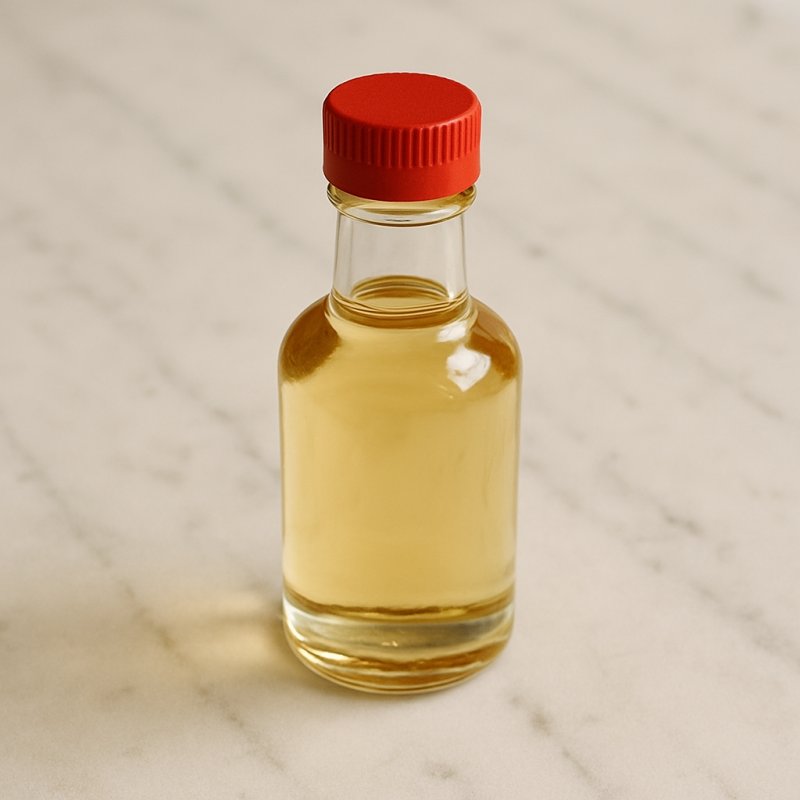
Small bottle of rum flavoring next to baking ingredients
I still remember well the first time I held a small bottle of rum aroma in my hand and thought: “That can't be much more than a pretty bottle tag for desserts.” By now this aroma has become a faithful companion in my kitchen, refining cake batters, creams and even savory sauces with a touch of Caribbean warmth. It's amazing how a few drops can change the character of a dish without adding alcohol or demanding long steeping times.

Rum aroma is a concentrated flavor carrier that imitates the typical notes of rum – vanilla, caramel, spices and sometimes a slight woody or fruity nuance –. To me the role of this aroma is that of a small set designer: it adds accents without overpowering the main performers. A colleague of mine swears by adding a few drops to baked apple compote; the result is almost nostalgic, as if an autumn evening had been captured.

When cooking and baking I use rum aroma for several reasons:

  • Practical: No stirring in alcohol, no waiting time – just dose and continue working.
  • Versatile: Suits desserts, drinks, marinades and even for finishing sauces.
  • Alcohol-free: Ideal when children are eating or when alcohol content matters.
Dosage is the secret. I usually start with one or two drops and feel my way forward. Too much rum aroma can quickly taste artificial; too little goes unnoticed. I've learned to use it in combination with real ingredients like vanilla pod, citrus zest or toasted nuts so the overall result feels rounded and believable.

For those who like to experiment: try it in a warm chocolate sauce or a caramelized banana dessert. The balance of sweetness and the rounded rum flavour works surprisingly harmoniously. Rum aroma is not a replacement for a good rum if you want to drink it consciously, but as a culinary seasoning it opens up many recipes to new, uncomplicated facets.

Availability & types

Availability and types

What is rum aroma and where does it come from?
Rum aroma is a flavor that recalls rum, the well-known spirit made from fermented sugarcane or molasses. Real rum is produced in warm countries because sugarcane grows there. Traditional growing regions are the Caribbean, Central and South America and parts of Southeast Asia. Rum aroma in foods and beverages can either come from real rum extracts or be produced artificially – that is, certain aroma and flavor compounds are blended so they taste like rum. A simple comparison: real rum aroma is like freshly squeezed orange juice, while artificial rum aroma is more like orange juice from concentrate.

What kinds of rum aroma are there?
There are several variants you can find in stores. Here are the main ones, simply explained:

  • Real rum extract: This is an extract made from real rum. Real rum is used and the aroma-giving substances are concentrated. It often tastes the most natural and can sometimes include small notes of wood or vanilla if the rum was aged in barrels.
  • Alcohol-free rum aromas: These are particularly useful when alcoholic products may not be used or desired. They mimic the rum taste without alcohol. It's like reproducing the “olfactory picture” of rum but leaving out the alcohol.
  • Natural flavors: These are obtained from plant or natural sources, for example from spices like vanilla or certain fruits that carry rum-like notes. “Natural” here means that the starting materials are plants or natural metabolic products.
  • Artificial flavors: Chemically produced substances recreate the rum taste. They are often cheaper and very stable, but feel less “honest” than true extracts. For children it's roughly like the difference between a real apple and apple juice with added flavor.
  • Blends and specialty varieties: Some manufacturers offer special blends, such as “dark rum” aroma or “white rum” aroma. These differ in taste – dark rum often has more caramel and wood notes, white rum is lighter and fresher.
How easy is it to find rum aroma on the market?
Rum aroma is relatively easy to find in supermarkets, baking shops and online. In department stores it is often placed with baking ingredients next to vanilla and lemon aromas. If you care about quality, you can look in specialty delicatessens or online retailers for “real rum extract” or “pure natural rum aroma”. For alcohol-free variants check the packaging: it will often say “no alcohol” or “alcohol-free”.

Who is each variant suitable for?
- If you bake and the alcohol evaporates during baking, real rum extract is popular because it tastes rich and natural.
- For children, pregnant people or those who do not consume alcohol, alcohol-free rum aromas are the best choice.
- Those who want to bake cheaply or produce industrially often choose artificial flavors because they are stable and inexpensive.

Summary
Rum aroma is available as real rum extract, alcohol-free variants, natural plant-based flavors, artificial flavors and various specialty blends such as “dark” or “white” types. You can find them easily in stores or online, and the best choice depends on whether you want to avoid alcohol or prefer a natural taste. Just as there are real and artificial chocolate tastes, there are different qualities and forms of rum aroma – something suitable for every purpose and taste.
Details & nutrition

Property Value
Unit ml
Calories per 100 250
Protein per 100 0
Carbohydrates per 100 10
Sugar per 100 10
Fat per 100 0
Saturated fat per 100 0
Monounsaturated fat 0
Polyunsaturated fat 0
Fiber per 100 0
Vitamin C (mg) per 100 0
Vitamin D (IU) per 100 0
Calcium (mg) per 100 0
Iron (mg) per 100 0
Nutri-Score D
CO₂ footprint 1.2
Origin Industrially produced flavoring; origin of raw materials varies depending on the manufacturer
Gluten-free Yes
Lactose-free Yes
Nut-free Yes
Vegan Yes
Note Rum flavoring is an artificial or nature-identical flavor, usually water- or alcohol-based with some sugar or carrier substances. Nutritional values may vary slightly by manufacturer; typical average values for a liquid baking flavor are given here. The formulation is generally low-alcohol or alcohol-free.

Technical & scientific information

Rum aroma denotes a flavoring ingredient designed to imitate the aroma of rum and used in foods, baked goods, confectionery and beverage products. Unlike real rum, a distilled alcoholic beverage from sugarcane by-products, rum aroma typically consists of a mixture of volatile aroma compounds, solvents, carrier materials and occasionally colorants that together create the characteristic scent and taste of rum. Rum aroma is offered both in liquid form (aroma extracts, aroma solutions) and in powdered form (bound aroma powders).

Chemical composition and typical ingredients
The aroma components that create the rum-like character mainly come from classes of compounds such as furans (e.g. 2,3‑Butanediol), esters (e.g. ethyl acetate, isoamyl acetate), aldehydes (e.g. vanillin, cinnamaldehyde) and terpenes. Other important substances can include lactones (for creamy, coconut-like notes), phenols and ketones. Many of these compounds also occur in real rum aromas, since they form during fermentation and barrel aging. In industrial rum aromas individual of these substances are combined in specific concentrations to achieve a reproducible flavor profile. Common base solvents include water, ethanol (in small amounts in alcohol-containing aroma forms), propylene glycol or food-grade glycerin, which carry the volatile components.

Manufacturing and processing methods
Rum aroma can be produced by different approaches:

  • By composing pure aroma substances: chemically defined compounds are mixed in precise ratios to obtain a desired profile.
  • By extracts from natural raw materials: rum-aromatic extracts can be obtained from rum spectra, toasted wood, sugarcane molasses or vanilla pods.
  • By enzymatic or thermal modifications: aimed at forming characteristic esters and furan derivatives important for rum notes.
  • Micro-encapsulation: to stabilize aroma substances, they are often encapsulated in carrier materials (maltodextrin, proteins, lipids), improving storage stability and dosability.
In production, quality controls such as gas chromatography coupled with mass spectrometry (GC‑MS) are used to analyze the aroma profile and monitor residues of solvents, pesticides or unwanted by-products.
Nutrition and labelling
Pure aroma concentrates typically contribute only negligible amounts of energy, carbohydrates, fat or protein, since they are used in very small dosages. Powdered aroma preparations may contain small amounts of carrier substances that provide caloric value. Packaging must indicate, under applicable food law, whether the product is a natural flavor, a nature-identical flavor or an artificial flavor. Information on allergens, additives and permitted maximum levels is also relevant, particularly when solvents or carriers have been used.
Health aspects and safety
At normal use levels commercial rum aromas are considered safe, provided they comply with legal limits and purity requirements. However, some aroma compounds can cause allergic reactions or intolerances in sensitive individuals. Certain chemical aroma components are only permitted in limited amounts; their toxicological evaluation is carried out by authorities such as EFSA. Consumers with alcohol restrictions should note that alcohol-containing aroma preparations may have small residual alcohol contents. Special caution is advisable for infants and young children, since highly concentrated aroma extracts are not suitable for unlimited addition.
Practical use and storage
Rum aroma is used sparingly, typically a few drops to a few millilitres per kilogram of product, depending on form and concentration. For storage, cool, light-protected and airtight conditions are advisable to minimise volatility and oxidation. Shelf life is extended for encapsulated powders compared with liquid forms. In recipes, rum aroma allows alcohol-free or more controllable flavoring, for example in baked goods, confectionery, ice cream or beverages.
Summary
Rum aroma is a technically produced or extracted flavor that reproduces the typical aroma and taste character of rum. It consists of a complex mixture of volatile organic compounds such as esters, furans, lactones and aldehydes that are combined and stabilised. Production ranges from pure synthesis to natural extracts, accompanied by analytical quality control. At normal use levels rum aroma is considered food-safe, but labelling requirements, authorised limits for individual components and warnings for specific consumer groups must be observed. When used correctly, rum aroma offers manageable, reproducible flavouring without the use of large amounts of real alcohol.
Wiki entry for: rum flavoring
Active now: 17 visitors of which 2 logged-in members in the last 5 minutes