Menu & categories

Rose water

A fragrant gift of nature

Wiki about rose water Nutri-Score A Vegan Yes Gluten-free Yes Lactose-free Yes Nut-free Yes
NUTRITION / 100 ml
0 kcal 0 g Protein 0 g Kohlenhydrate 0 g Fett

Introduction

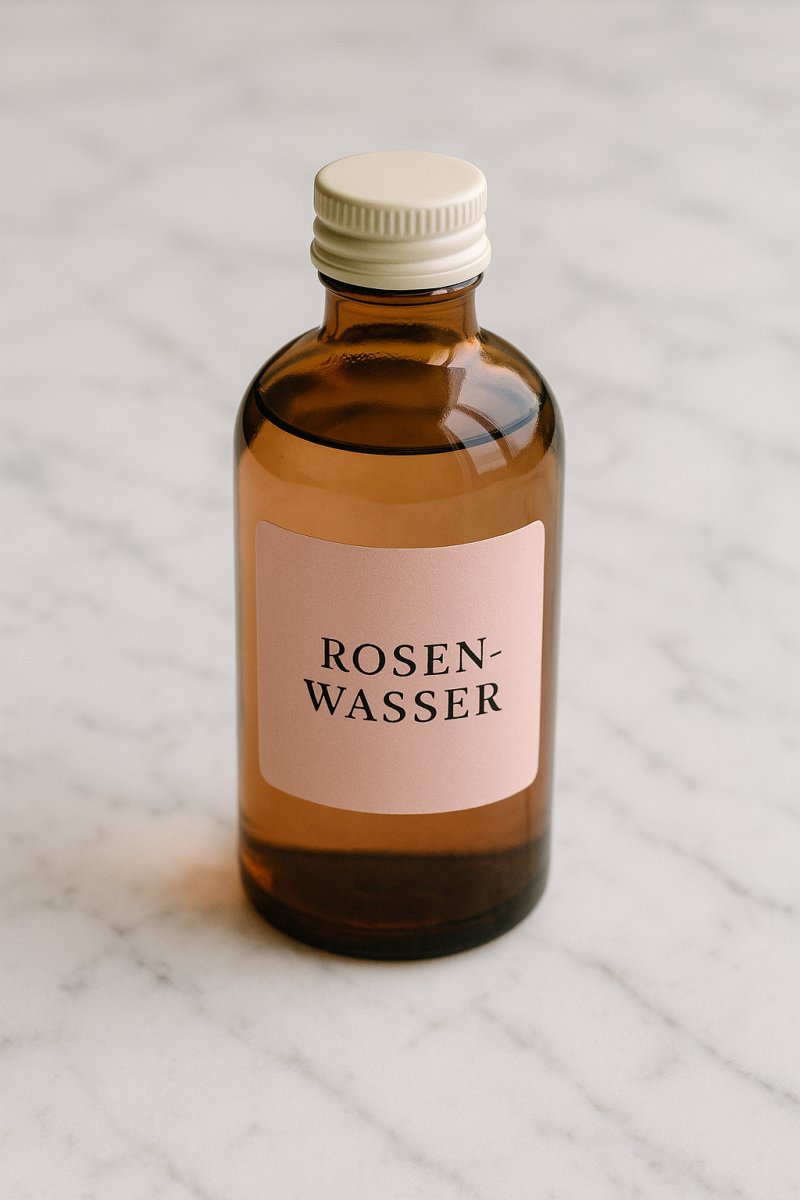
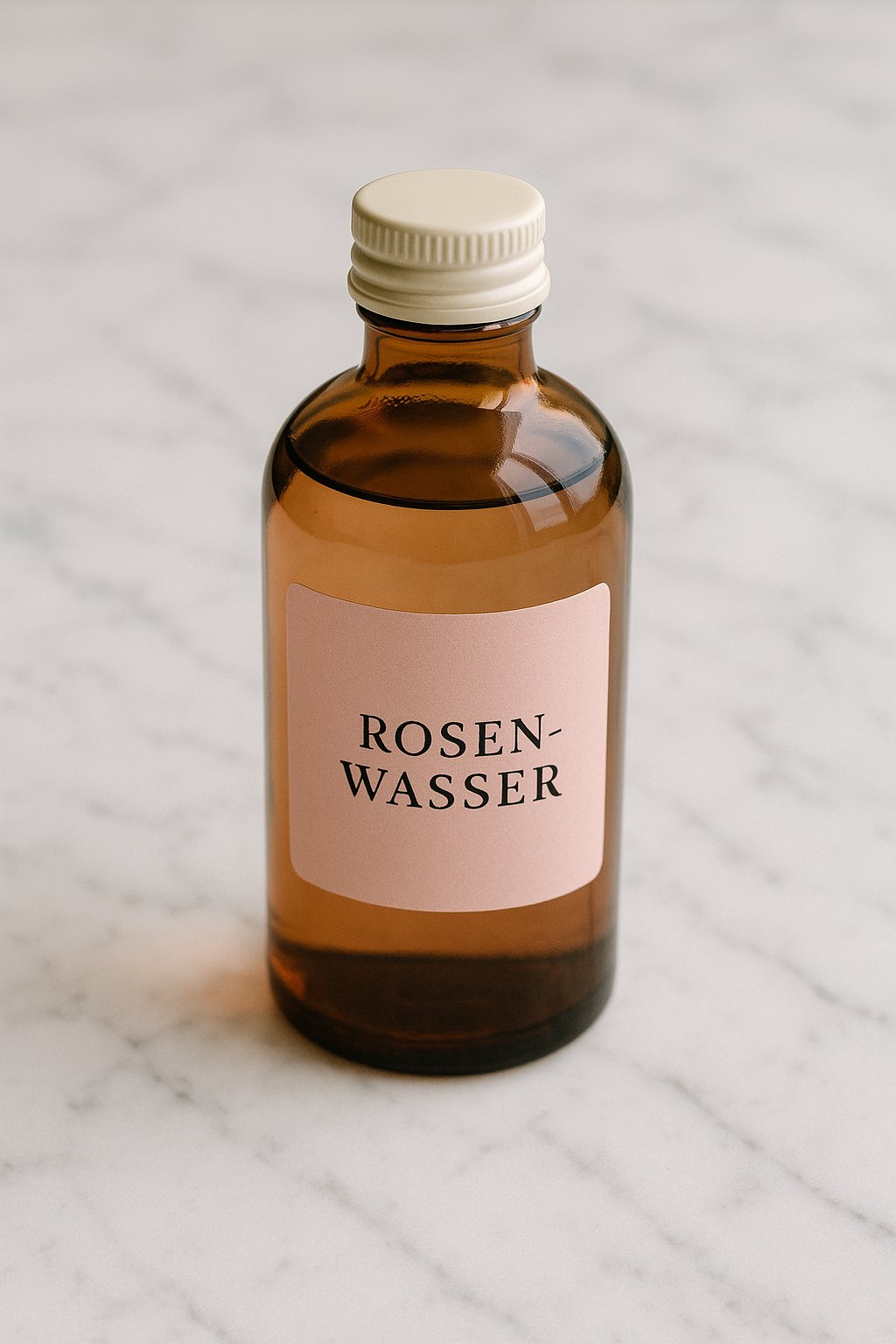
A small bottle of rose water
I still remember the first day I discovered rose water in my kitchen. It was a sunny afternoon, and I was looking for a special secret for my favorite dessert, a delicate panna cotta. A colleague of mine, a true gourmet, kept raving about the magical effect of rose water. 'It adds a whole new dimension to your dishes,' he said with a mysterious smile. So I went searching and eventually found a small bottle in a little spice shop. When I inhaled the scent, I immediately felt transported to a blooming rose garden.

Rose water is not just an ingredient but an experience. It is obtained from the petals of the rose and has a long history that dates back to antiquity. In many cultures it is valued not only in cooking but also in skincare and even in aromatherapy. It is so versatile that I often think about how to incorporate it into my daily recipes.

When I think about using rose water, a few delicious ideas immediately come to mind:

  • In desserts: A few drops of rose water in yogurt or cookie dough give a heavenly flavor.
  • In beverages: A sparkling rose lemonade turns any garden party into a celebration.
  • In savory dishes: It pairs wonderfully with lamb dishes and gives them an unforgettable note.
I remember a dinner I prepared for friends. I had cooked a lamb dish and added a little rose water. It was a risk, but it turned out to be the absolute hit! My friends were delighted and couldn't stop asking for the recipe. It was a small triumph for me in the kitchen.

Using rose water has not only enriched my cooking skills but also sharpened my senses. The delicate scent and floral taste are simply irresistible. Now, when I go to the supermarket and see a bottle of rose water, I always smile a little, because I know that with it I can brighten not only my dishes but also my memories. So, the next time you're in the kitchen, remember to add a little rose water and let yourself be surprised by its magic!

Availability & types

Rose water is a wonderful ingredient that is used not only in the kitchen but also in skincare and many other areas. To understand where rose water comes from and what types exist, let's take a closer look at its origin, growing regions, and the different varieties and variants.

Origin: Rose water is made from the flowers of roses, most commonly from the Rosa damascena, also known as the Damask rose. This particular rose has a lovely fragrance and is often called the "queen of flowers." To produce rose water, the petals are steamed or distilled, producing the aromatic water we love.

Growing regions: Roses grow in many parts of the world, but some countries are particularly known for rose cultivation. These include:

  • Iran: Iran is one of the largest producers of rose water. Vast fields of roses are planted here, and people have a long tradition of producing high-quality rose water.
  • Turkey: Turkey also produces a lot of rose water. The city of Konya is particularly well known for its rose fields.
  • Bulgaria: In Bulgaria there is even a "rose festival," where the flowers are harvested and processed. Bulgarian roses are famous for their strong fragrance.
  • India: In India, rose water is not only popular in cooking but also in Ayurvedic medicine. It is often valued for its healing properties.
The production of rose water is a very delicate process. The rose petals are harvested in the early morning when they are most fragrant. They are then processed quickly to preserve the fresh scent and valuable components.

Available types and variants: There are many different types and variants of rose water, which can vary depending on the region and production method. Here are some examples:

  • Pure rose water: This is the simplest form of rose water, made only from rose petals and water. It is very fragrant and is often used in skincare.
  • Organic rose water: This variant is produced from organically certified roses. That means no chemical fertilizers or pesticides were used during cultivation. Organic rose water is particularly popular with those who prefer natural products.
  • Rose water with additions: Sometimes rose water is blended with other ingredients to achieve specific properties. For example, there is rose water with lavender or chamomile, which has a calming effect.
  • Rose water for cooking: In many cultures rose water is also used in cooking. It gives desserts like baklava or rice pudding a unique flavor.
Overall, rose water is a versatile ingredient obtained from the beautiful rose.
Details & nutrition

Property Value
Unit ml
Calories per 100 0
Protein per 100 0
Carbohydrates per 100 0
Sugar per 100 0
Fat per 100 0
Saturated fat per 100 0
Monounsaturated fat 0
Polyunsaturated fat 0
Fiber per 100 0
Vitamin C (mg) per 100 0
Vitamin D (IU) per 100 0
Calcium (mg) per 100 0
Iron (mg) per 100 0
Nutri-Score A
CO₂ footprint 0.1
Origin India
Gluten-free Yes
Lactose-free Yes
Nut-free Yes
Vegan Yes
Note Rose water is commonly used in cosmetics and cooking.

Technical & scientific information

Rose water is an aromatic water obtained by distilling fresh rose petals. It has a long history in traditional medicine, cosmetics, and culinary use. The most common rose species used to make rose water are Rosa damascena (Damask rose) and Rosa centifolia (Cabbage Rose). These species are characterized by their high content of essential oils and aromatic compounds, which are responsible for the characteristic fragrance and the valuable properties of rose water.

Chemical composition
Rose water contains a variety of chemical compounds, including phenolic compounds, flavonoids, tannins, and essential oils. The most important constituents include:

  • Rose oil: The main component responsible for the fragrance, which also has antioxidant properties.
  • Vitamin C: An important antioxidant that contributes to skin health and protects the skin from oxidative stress.
  • Tannins: These have astringent properties that can be helpful for skin irritations.
  • Flavonoids: These secondary plant compounds have anti-inflammatory effects and can promote overall health.
The exact chemical composition can vary depending on origin and production method. Generally, rose water is obtained by steam distillation, where the rose petals are heated in water. The vapor released, which contains the volatile aromatic compounds, is then condensed and collected in liquid form.

Processing methods
The production of rose water can be carried out in different ways, with steam distillation being the most common method. In this method, fresh rose petals are heated together with water in a special distillation apparatus. The resulting vapor, which contains the volatile aromatic substances, is then passed through a cooling device and condensed. The resulting product is a clear, aromatic water used in both cosmetics and the kitchen.

Another method is water maceration, where the rose petals are soaked in water to extract aromatic and therapeutic compounds. This method is simpler and less expensive but often results in a less intense aroma and fewer therapeutic benefits.

Health aspects
Rose water is valued in traditional medicine for its therapeutic properties. It has anti-inflammatory, antiseptic, and soothing effects. The most common applications include:

  • Skincare: Rose water is often used in toners and creams to soothe the skin, reduce redness, and improve hydration.
  • Stress relief: The pleasant scent of rose water can have a relaxing effect and help relieve stress and anxiety.
  • Digestive support: In traditional medicine it is also used to support digestion and relieve stomach discomfort.
Wiki entry for: rose water
Active now: 20 visitors of which 2 logged-in members in the last 5 minutes