Menu & categories

Roast chicken seasoning

Spice blend for crispy, flavorful roast chicken

Wiki about roast chicken seasoning Nutri-Score C Vegan Yes Gluten-free Yes Lactose-free Yes Nut-free Yes
NUTRITION / 100 g
260 kcal 8 g Protein 35 g Kohlenhydrate 6 g Fett

Introduction

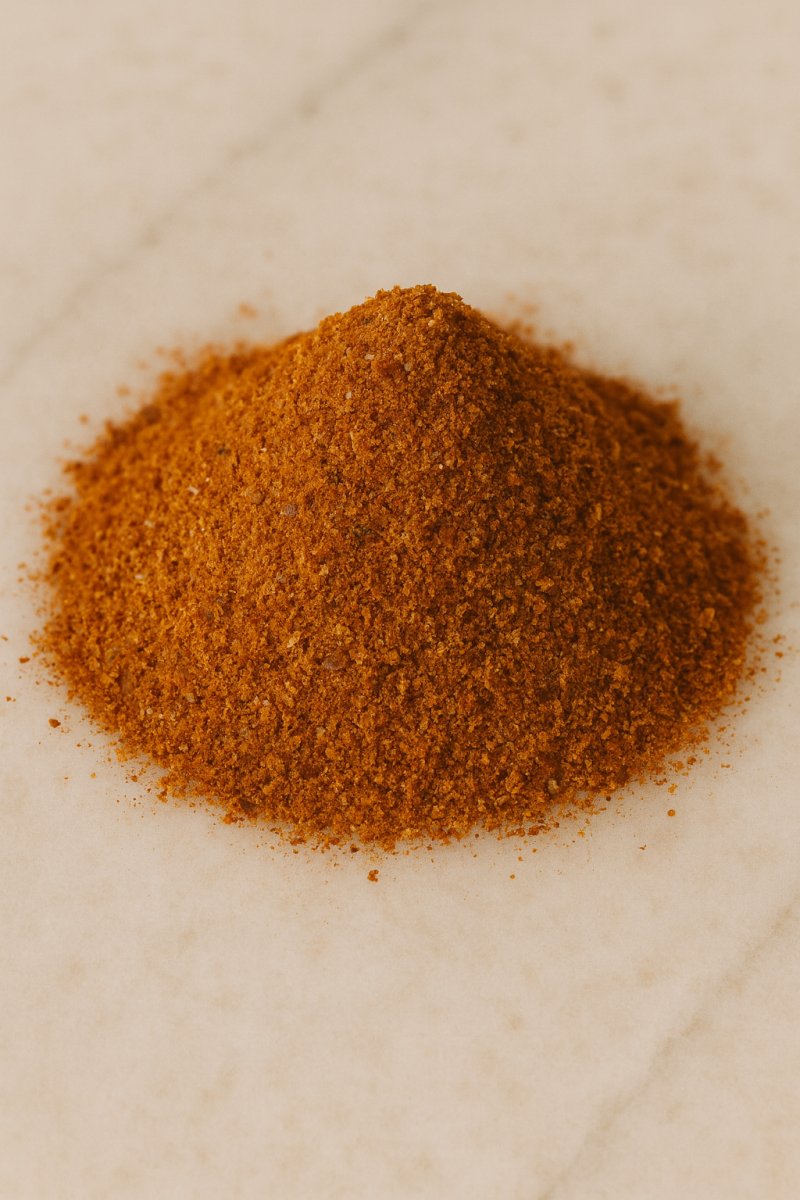
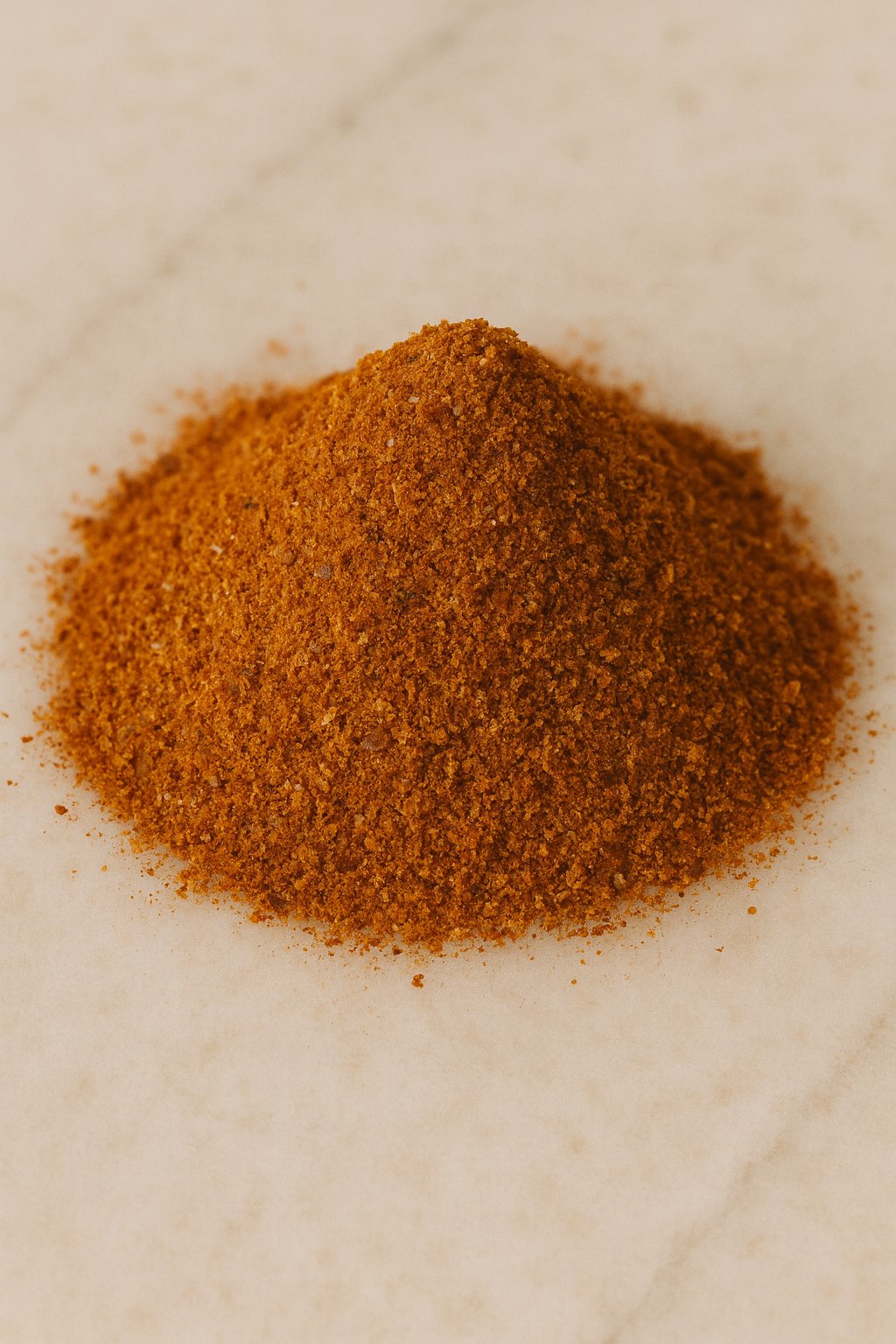
Roast chicken seasoning as a colorful spice blend in a bowl
I still clearly remember the first winter when I stood in the kitchen with a jar of roast chicken seasoning and didn't quite know whether I was about to ruin a recipe worthy of a museum or create a new family highlight. From the simple spice jar that familiar scent rose immediately: a warm, slightly smoky blend of paprika, garlic and herbs that reminded me of Sundays with crispy skin and steaming mashed potatoes. Since then this seasoning has never let me go – not only for chicken, but for a whole range of simple, savory dishes.

What I particularly love about roast chicken seasoning is its versatility. In the ingredient list you will often find:

  • Paprika for color and mild sweetness
  • Garlic and onion powder for umami and depth
  • Salt and pepper as a base
  • Herbs like thyme or marjoram for aromatic notes
  • Sometimes a bit of chili or smoked paprika for excitement
I've learned that the art lies less in finding a perfect blend than in using it correctly. A wooden spoon, a chopped chicken and a bold handful from the jar are often enough to get crispy, flavorful skin from the seasoning alone. A colleague of mine was once skeptical and claimed spice mixes only produced industrial scent illusions. He changed his mind after a weekend when I generously sprinkled his simple Ikea tray with the seasoning. The smell that came from the oven spoke for itself.

Roast chicken seasoning is also a practical kitchen helper: it saves time seasoning, ensures consistent results and allows creative variation. I don't only sprinkle it on chicken, but also on roasted vegetables, sweet potato fries and even a quick vegetable stir-fry when things need to be fast. For special occasions I like to mix the seasoning with a little lemon zest or olive oil to achieve a fresh, Mediterranean note.

In the end, roast chicken seasoning is a little everyday magic for me – unassuming in the jar, big in effect. It combines memories, practicality and taste and has often saved me when a cozy, flavorful dinner was needed after a long day.

Availability & types

Availability and types

What is roast chicken seasoning and where does it come from?
Roast chicken seasoning is a blend of various dried herbs and spices used to season roasted chicken. It does not have a single origin like an individual spice (e.g. pepper or cinnamon), but consists of several ingredients that can come from different regions of the world. For example, pepper and cumin often come from Asia or Africa, paprika from the Americas, and rosemary or thyme from the Mediterranean. This mixture is then modified in many countries and adapted to local tastes.

Growing regions of the individual ingredients
Because roast chicken seasoning is made from many ingredients, the raw materials grow in different places:

  • Europe: Herbs such as rosemary, thyme and parsley often grow in southern parts of Europe where it is warm and sunny.
  • Asia: Some spices like black pepper and cardamom frequently come from countries in Southeast Asia or India.
  • Africa: Spices like pepper and some varieties of paprika are also cultivated in Africa.
  • Americas: Paprika (including chili peppers) and some onion powder ingredients often come from North and South America.
How do you find roast chicken seasoning in the store?
Roast chicken seasoning is available in many supermarkets, delicatessens and health-food stores. You can find it packaged in small tins, jars or bags. Sometimes it is located near other spices or with marinades and grill seasonings. Larger stores often carry several brands, and you can also order different blends online. If you ask in the store, an employee will usually help you find the right blend.

Available varieties and variants
There are different types of roast chicken seasoning. Here are the main ones, explained simply:

  • Standard blend: A balanced mix with salt, pepper, paprika and herbs like rosemary and thyme. It is mild and suitable for everyone.
  • Spicy-hot: This variant additionally contains chili or hot paprika. It tastes stronger and warmer, similar to a spicy curry.
  • Herb-forward: In this blend fresh herbs are in the foreground – ideal if you prefer a fresh, green flavor.
  • Low-salt or salt-free: For people who need to eat less salt, there are mixes with little or no salt. Then you can better control the seasoning yourself.
  • Organic/ecological: These spices come from organic cultivation, meaning the plants are grown without synthetic pesticides. They can be a bit more expensive but are often more environmentally friendly.
  • Regionally adapted versions: Some countries have their own recipes – for example a Mediterranean variant with olives and lemon zest or a South American one with more paprika and smoky flavor.
Simple examples to explain
Imagine roast chicken seasoning as a box of paints: depending on which colors (i.e. spices) the manufacturer uses, a different picture (flavor) is created. Some colors are strong (hot chili), some are gentle (herbs). If you like, you can also mix your own at home, like when you assemble your own sandwich.

Tips for trying
If you have never tried roast chicken seasoning, start with a standard blend. Want more flavor? Choose a spicier version. Note that organic and low-salt variants can taste different – they are not better or worse, just different. That way you can easily find the blend you like best.
Details & nutrition

Property Value
Unit g
Calories per 100 260
Protein per 100 8
Carbohydrates per 100 35
Sugar per 100 20
Fat per 100 6
Saturated fat per 100 1
Monounsaturated fat 2
Polyunsaturated fat 3
Fiber per 100 15
Vitamin C (mg) per 100 10
Vitamin D (IU) per 100 0
Calcium (mg) per 100 200
Iron (mg) per 100 10
Nutri-Score C
CO₂ footprint 2.0
Origin Blend of various dried herbs and spices, typically sourced internationally and processed in Europe
Gluten-free Yes
Lactose-free Yes
Nut-free Yes
Vegan Yes
Note Typical ingredients include paprika, salt, pepper, garlic, onion, herbs and other spices. Composition and salt and sugar content may vary significantly depending on the manufacturer.

Technical & scientific information

Roast chicken seasoning denotes a spice blend developed specifically to flavor roasted or baked chicken meat. Commercial blends vary by manufacturer but typically follow a basic scheme of dried herbs, spices, salt and sometimes sweeteners or carrier starches. The goal of the formulation is to provide color, roasting aromas, umami and a balanced flavor profile that complements fats and chicken proteins.

Typical ingredients and their chemical contributions
Common components are salt (sodium chloride), black pepper (Piper nigrum), paprika (Capsicum annuum), garlic and onion powders (dried Allium extracts), thyme, rosemary, marjoram and oregano and occasionally mustard, coriander or cumin. Chemically, these components contribute various aroma compounds:

  • Allicin from garlic (an unstable sulfur compound) provides pungent, sulfurous tones after crushing or heating.
  • Piperine from pepper causes pungency and influences aroma perception through thermal effects.
  • Capsaicinoids from paprika provide mild heat and promote Maillard reactions at high temperatures.
  • Essential oils from herbs (e.g. cineole, thymol, rosmarinic acid) bring volatile aromatic notes and in part possess antioxidant properties.
Nutritional value and additives
Pure roast chicken seasoning contributes minimally to calories, proteins or fats of the end product, as it is applied in small amounts. The nutritional value consists mainly of minerals (depending on salt content) and traces of carbohydrates from dried plant matter. Commercial blends may contain carrier agents like corn starch or hydroxypropyl methylcellulose to prevent caking, as well as anti-caking agents or preservatives (e.g. potassium sorbate). Some variants contain sugar or maltodextrin to support browning.

Processing methods
Production includes drying and grinding of the plant raw materials followed by standardized blending. Drying processes (air drying, fluidized bed drying) influence aroma and content of volatile compounds. Finer grinding increases surface area and thus release of aromas during heating, but can also accelerate loss of volatile oils. Homogenization and blending maintain batch consistency; microbiological control is achieved through moisture management and, if necessary, thermal treatment of the blend.

Sensory aspects and chemical reactions during roasting
When heating seasoned chicken, spice components interact with the proteins and sugars of the meat. The Maillard reaction produces brown crusts and complex roasting aromas (pyrazines, pyrroles, Strecker aldehydes). Lipid oxidation can form additional aroma precursors. Spices with antioxidant constituents (e.g. rosemary extract) can modulate this process and reduce the formation of undesirable oxidized aroma compounds.

Health aspects
From a nutritional science perspective, spice blends are unproblematic in small amounts. Salt content is the most common health factor: high sodium content can contribute to increased sodium intake if used frequently and in large amounts. Some users are sensitive to additives such as anti-caking agents or to mustard- or celery-containing ingredients due to allergies. Bioactive substances in herbs may have antioxidant or antimicrobial effects, but usually only minimally affect the nutrient balance.

Safety and quality criteria
Important quality markers are sensory freshness (intact essential oils), low moisture content and microbiological safety. Oxidation and moisture uptake lead to aroma loss and caking. Consumers advised to reduce salt should prefer low-sodium versions or homemade blends. Labelling requirements demand declaration of potential allergens and additives.

Overall, roast chicken seasoning is a technically mature blend whose components are selected to enhance aroma, color and sensory depth during roasting. The chemical processes during heating and the choice of ingredients largely determine the taste result and shelf life of the spice blend, while health aspects are mainly governed by salt content and possible additives.

Wiki entry for: roast chicken seasoning
Active now: 20 visitors of which 2 logged-in members in the last 5 minutes