What are rice flakes?
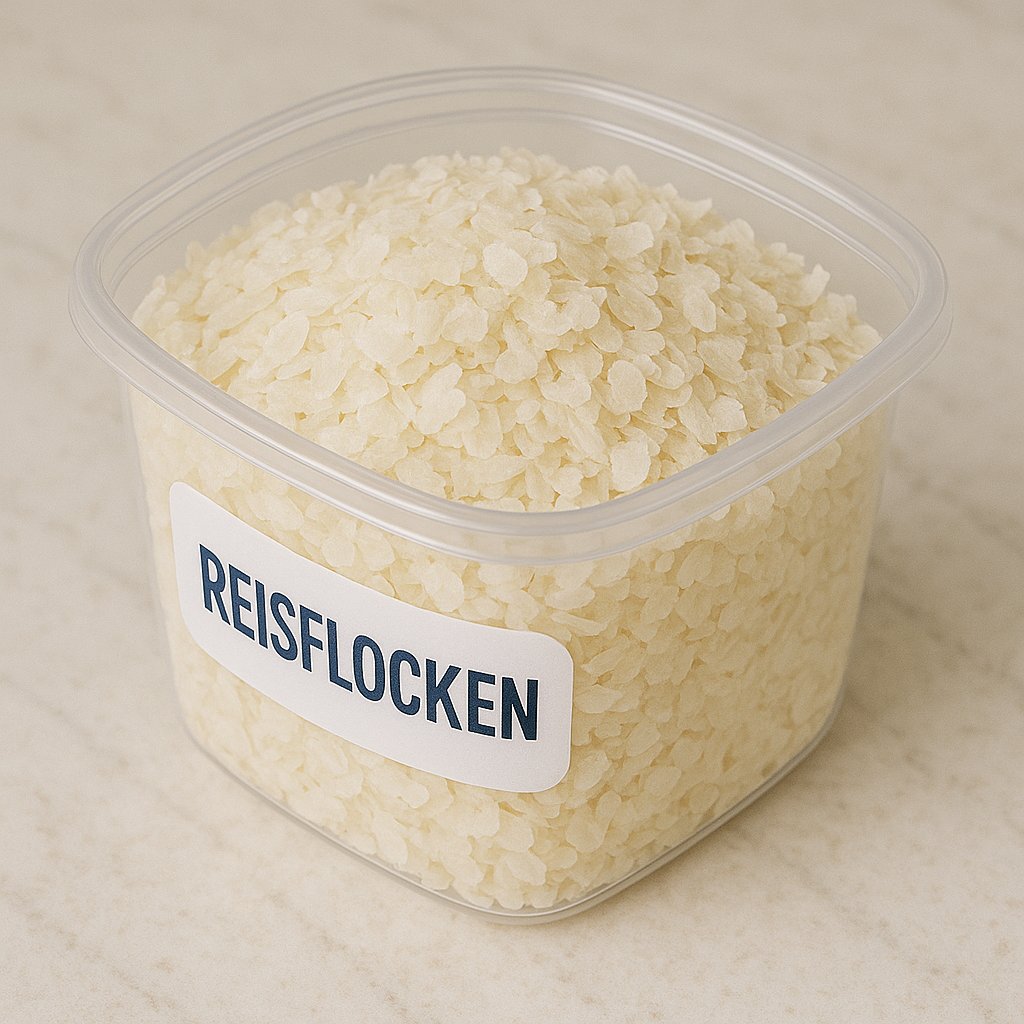
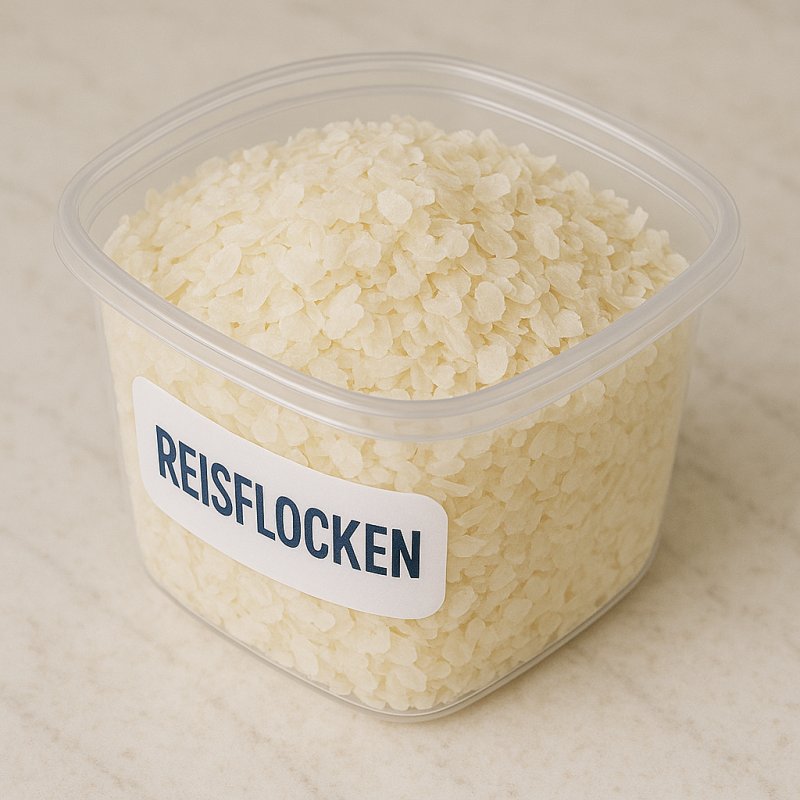
Rice flakes are, simply put, rice that has been cooked or steamed and then flattened. Imagine a grain of rice like a small piece of wood: if it is softened and then crushed between two heavy plates, you get a flat slice — that is a rice flake. They cook quickly, work well in sweet and savory dishes and are especially popular as a breakfast porridge or as an ingredient in bars and snacks.
Rice flakes are, simply put, rice that has been cooked or steamed and then flattened. Imagine a grain of rice like a small piece of wood: if it is softened and then crushed between two heavy plates, you get a flat slice — that is a rice flake. They cook quickly, work well in sweet and savory dishes and are especially popular as a breakfast porridge or as an ingredient in bars and snacks.
Origin
Rice originally comes from Asia, and the first rice flakes were invented there as well. In countries such as India, Bangladesh and Sri Lanka they are called for example Poha or Flattened Rice. Over time the idea spread around the world, because rice is grown in many countries and the technique to flatten it is quite simple. The basic idea is therefore old, while production today is often industrial.
Rice originally comes from Asia, and the first rice flakes were invented there as well. In countries such as India, Bangladesh and Sri Lanka they are called for example Poha or Flattened Rice. Over time the idea spread around the world, because rice is grown in many countries and the technique to flatten it is quite simple. The basic idea is therefore old, while production today is often industrial.
Growing regions
Rice grows mainly in warm and humid regions. Important growing regions include:
Rice grows mainly in warm and humid regions. Important growing regions include:
- South Asia: India, Bangladesh — very large rice producers.
- Southeast Asia: Thailand, Vietnam, Indonesia — many varieties for different dishes.
- China: Very large rice production, many regions with different climates.
- America and Europe: USA (e.g. California), Spain and Italy also grow rice, but less than Asia.
- Other regions: Brazil and parts of Africa also cultivate rice.
Depending on how warm it is and how much water is available, different rice varieties grow better. Some rice fields look like large, enclosed bathtubs (they are called "paddies") because rice is often grown standing in water until it matures.
Available types and variants
Rice flakes come in several variants because different rice varieties and processing methods impart different properties. Here are some simple explanations:
Rice flakes come in several variants because different rice varieties and processing methods impart different properties. Here are some simple explanations:
- White rice flakes (polished): These are made from hulled rice. They are light, soft and disintegrate quickly in liquid — good for quick porridge.
- Whole grain or brown rice flakes: The outer layer of the grain (the bran) is retained. They are nuttier in taste and healthier because they contain more fiber.
- Thin vs. thick flakes: Thin flakes are like paper-thin sheets and cook very quickly. Thick flakes are larger and take longer but remain firmer.
- Roasted or pre-cooked flakes: Roasted rice flakes have a slight toasty aroma, pre-cooked ones are only dry-pressed — they require only hot water.
- Colored variants: Some rice flakes are made from red or black rice and appear darker. They are attractive in muesli and bring different flavors.
- Organic and gluten-free variants: Rice is naturally gluten-free. There are certified organic rice flakes without pesticides.
Where to get rice flakes?
You can find rice flakes in supermarkets, health-food stores, Asian grocery stores and online. They are often packaged in bags or tins. If you are looking for a product, pay attention to the label (white, brown, roasted) — that way you know how quickly it cooks and what flavor to expect.
You can find rice flakes in supermarkets, health-food stores, Asian grocery stores and online. They are often packaged in bags or tins. If you are looking for a product, pay attention to the label (white, brown, roasted) — that way you know how quickly it cooks and what flavor to expect.
Rice flakes are therefore a versatile ingredient: easy to make, widespread in many regions of the world and available in variants suitable for quick breakfasts, sweet desserts or savory dishes.