Menu & categories

Ocean perch (redfish)

Lean marine fish with firm flesh and a mild flavour

Wiki about redfish Nutri-Score A Vegan No Gluten-free Yes Lactose-free Yes Nut-free Yes
NUTRITION / 100 g
96 kcal 19 g Protein 0 g Kohlenhydrate 2.2 g Fett

Introduction

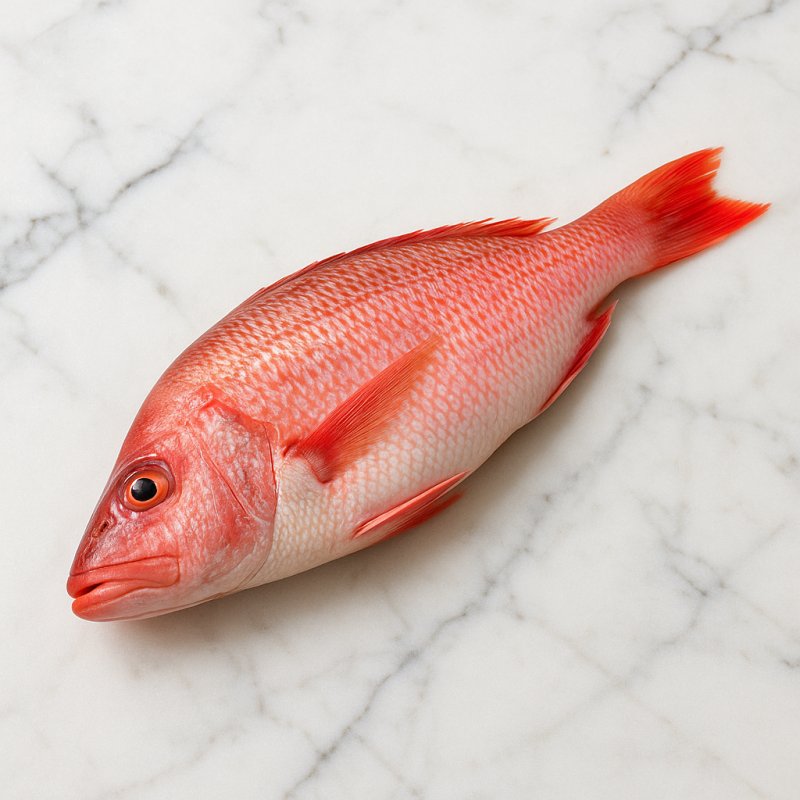
Fresh ocean perch (redfish) on a cutting board
I still clearly remember the first reddish gleam I saw when I discovered a freshly caught redfish at the market: the skin like polished copper, the flesh firm and almost shimmering. Since then this ingredient has not let me go. To me redfish is a small culinary chameleon – easy to prepare, yet always elegant on the plate.

The taste of redfish is mild and slightly sweet, with a buttery texture that suits a variety of cooking methods. Whether pan-fried, steamed or baked in the oven with a crispy herb crust, the flesh remains tender and juicy. I have served it in simple skillet dishes with lemon and capers and also in an elaborate fish soup, where it kept its delicacy despite strong flavors.

A colleague of mine swears by searing redfish briefly on high heat: a golden crust outside, perfectly translucent inside. At a joint cooking evening we tried different salt and herb combinations and laughed about our varied ideas until the kitchen smelled of dill, lemon and sea salt. This uncomplicated versatility makes redfish so popular in restaurants and at home.

From a practical perspective I also value redfish for its availability and the option to buy it frozen without major loss of quality. It matters to me to pay attention to sustainable origin; I often ask at the market about the fishing area and method or look for reliable certifications. When I cook for guests, I like to list the origin – that shows appreciation for the product and the people who supply it.

I'd like to share a few of my favorite preparation options:

  • Quick in the pan: with butter, lemon juice and fresh herbs.
  • In the oven: with a crust of breadcrumbs, herbs and olive oil.
  • Steamed: with Asian flavors like ginger, soy sauce and spring onions.
To me redfish is an ingredient that inspires confidence: it forgives cooking mistakes, is versatile in flavor and always ready to elevate a dish. On my next market visit I'll look closely again, because sometimes a fresh redfish, a few good ingredients and an open recipe are enough to make an evening unforgettable.

Availability & types

Availability and types of redfish

Redfish is a fish you can find in many supermarkets, fishmongers and restaurants. It has firm flesh and a reddish skin, hence the name. If you want to know where it comes from and which variants exist, here is a simple explanation that even a 12-year-old can easily understand.

Origin
Redfish lives mainly in the sea. It usually comes from colder waters, for example from the North Atlantic around Iceland, Norway and the British Isles. Sometimes it is also caught in the North Sea or in waters near Greenland. These regions are known for clean, cold water, which benefits the fish. You can imagine that redfish more or less takes a “vacation” in cold water — this gives it firm flesh and good flavor.

Fishing and farming areas
Redfish is not cultivated in the classic sense like vegetables, but is mostly caught. There are also farming attempts that are not yet widespread. Important fishing areas include:

  • North Atlantic – around Iceland and Norway. Many redfish come from there.
  • North Sea – in parts of the North Sea it is also fished.
  • Arctic/northern waters – colder regions further north are also fishing grounds.
There are different fishing methods. Some methods are more environmentally friendly than others. One method catches fish with nets, another with individual longlines. Sometimes the packaging states how the fish was caught — that helps with sustainable shopping.

Available varieties and forms
Redfish is not just a single “type” but there are different species and cuts you can find in stores. Here is an overview:

  • Fresh redfish – straight from the refrigerator or fish counter. It feels firm and smells little of fish. Fresh is often best for flavor.
  • Frozen redfish – frozen quickly after catch to keep it longer. Frozen is practical because it can be stored for a long time.
  • Fillets – already cut pieces of fish without skin and bones. They are easy to prepare, like a fish steak.
  • Steaks – thicker slices with skin and possibly bones. They are good for frying or grilling.
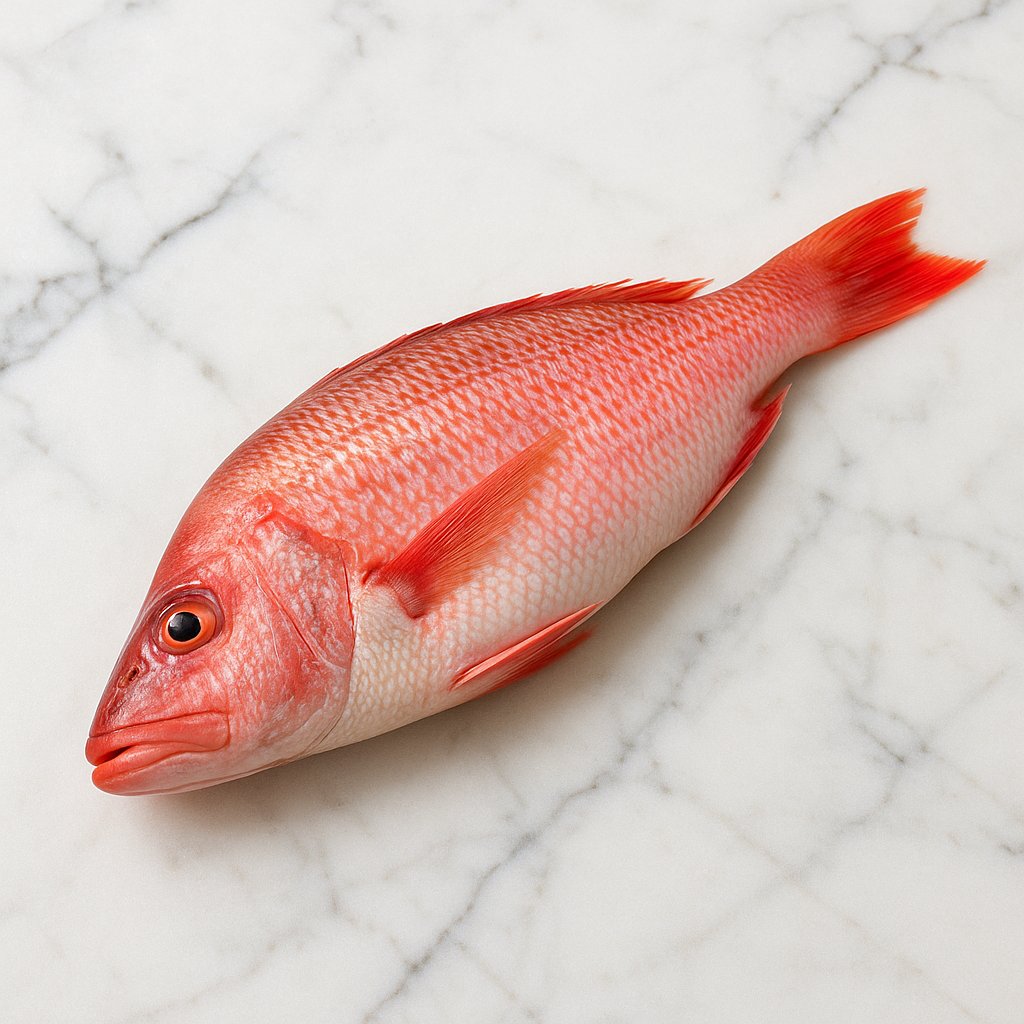
  • Whole – sometimes whole fish are available, with head and tail. This variant is more common at markets or the fishmonger.
  • Pre-seasoned or breaded variants – supermarkets offer ready-made products that are seasoned or breaded. These are quick to prepare but often contain additional ingredients.
Simple shopping tips
When buying redfish, watch for a few things: fresh fish should have a clear shine and not smell strongly. Frozen products should be completely frozen, without ice crystals on the outside. Packaging often lists the fishing area or whether the fish comes from a sustainable fishery. Sustainable means that care was taken not to reduce fish stocks too much.

In summary: redfish mostly comes from cold seas like the North Atlantic, is predominantly caught (sometimes farmed), and is available in forms such as fresh, frozen, fillet or whole. You can choose the appropriate variant depending on your preference and preparation — whether you want to pan-fry a fresh fillet or thaw a frozen product at home.
Details & nutrition

Property Value
Unit g
Average weight per piece 400
Calories per 100 96
Protein per 100 19
Carbohydrates per 100 0
Sugar per 100 0
Fat per 100 2.2
Saturated fat per 100 0.5
Monounsaturated fat 0.7
Polyunsaturated fat 0.7
Fiber per 100 0
Vitamin C (mg) per 100 1
Vitamin D (IU) per 100 320
Calcium (mg) per 100 20
Iron (mg) per 100 0.5
Nutri-Score A
CO₂ footprint 2.8
Origin Marine fish, North Atlantic
Gluten-free Yes
Lactose-free Yes
Nut-free Yes
Vegan No
Note Nutritional values for raw ocean perch (edible fish); values may vary slightly depending on catch area and processing.

Technical & scientific information

"Redfish" refers to several species in the family Sebastidae, which occur in the Northeast Atlantic, the North Sea and off the coasts of northern and western Europe. Typical features are compact, stocky body shapes, large eyes and a reddish to orange-brown coloration that gives the fish its common name. Among the most frequent representatives is Sebastes marinus (often referred to as the "golden redfish") as well as related species that differ in size, scale structure and fin shape.

Biological characteristics
Redfishes are predominantly bottom-associated predators that feed on small fish, crustaceans and molluscs. Many species reach sexual maturity relatively late and produce live young or egg masses rich in larvae, which affects their population dynamics. Their habitat preferences range from rocky substrates to sandy seabeds at depths from a few tens to several hundred meters.

Chemical composition and nutritional values
The edible fillet portion of redfish shows a typical composition for commercially used whitefish species. On average 100 g of raw redfish fillet contains:

  • Water: about 75–80%.
  • Protein: 18–20 g, with a balanced amino acid profile, rich in essential amino acids such as lysine and methionine.
  • Fat: low, usually 1–3 g; the lipids consist mainly of triglycerides with a share of n-3 fatty acids (EPA and DHA) in moderate amounts compared to fattier species like salmon or mackerel.
  • Minerals and trace elements: significant amounts of potassium, phosphorus and sodium and traces of iodine, selenium and zinc.
  • Vitamins: mainly B vitamins (B3, B6, B12) and small amounts of vitamin D.
Physicochemical properties
The muscle tissue of redfish exhibits a fine fiber structure and a low fat content, which characterizes the texture when cooked as tender and flaky. The pH value of fresh fillets typically lies around 6.0–6.8. Water-holding capacity depends on age, freshness and processing; proteolytic enzymes can lead to texture loss if storage is inadequate.

Processing and processing methods
Redfish is marketed fresh, chilled, frozen, filleted, breaded or as part of further processed products. Common processing steps are slaughter, removal of head and entrails, cold shock, filleting, skin removal and vacuum packaging. Freezing at temperatures below −18 °C minimizes microbial spoilage and preserves texture and nutrients; gentle thawing methods prevent water loss. Further processing can include marinating, smoking or pasteurization, each of which affects sensory and microbiological properties.

Health aspects
Redfish is considered a low-fat, high-protein component of a balanced diet and contributes to the supply of essential amino acids, vitamin B12 and selenium. Occasionally higher concentrations of environmental contaminants such as mercury or organic pollutants can occur, depending on fishing area and the age of the fish. Pregnant women and young children are advised to limit consumption of certain large predatory fish; for redfish many regions provide moderate supply and consumption recommendations. Allergenic proteins from fish muscle tissue can trigger allergic reactions in sensitized individuals.

Sustainability and fisheries management
Population development of redfish species varies regionally and depends on fishing pressure, life cycle traits and ecological changes. Sustainable fisheries management uses stock monitoring, catch quotas and closed seasons to prevent overfishing. Certifications and traceability along the supply chain support informed purchasing decisions.

Overall, redfish is a versatile ingredient with low fat and high protein content, whose nutritional benefits can be preserved through proper processing and responsible fishing practices.

Wiki entry for: redfish
Active now: 18 visitors of which 2 logged-in members in the last 5 minutes